PsyPost
  • Mental Health
  • Social Psychology
  • Cognitive Science
  • Neuroscience
  • About
No Result
View All Result
Join
My Account
PsyPost
No Result
View All Result
Home Exclusive Social Psychology Business

Ownership increases the value of products: How does gender matter?

by University of Chicago Press Journals
August 26, 2012
Reading Time: 2 mins read
Share on TwitterShare on Facebook

Shoe shoppingThe price a consumer will pay for a product is often significantly less than the price they will accept to sell it. According to a new study in the Journal of Consumer Research, this occurs because ownership of a product enhances its value by creating an association between the product and consumer identity.

“Our studies support the idea that ownership enhances the attractiveness of a product because ownership creates an association between the item and the self,” write authors Sara Loughran Dommer (Georgia Institute of Technology) and Vanitha Swaminathan (University of Pittsburgh).

In several studies, the authors found a link between possessions and consumer identity. They also discovered that men are more likely to consider a product’s association with specific social groups when making a purchase. “Men strive to differentiate themselves and group distinctions are more significant for them. In contrast, women are focused on forming connections and less likely to classify themselves as separate from others. They are less likely to purchase products because of an association with a particular social group,” the authors write.

Businesses can benefit from creating feelings of ownership through promotional strategies such as free trials, samples, and coupons. For instance, a consumer may be more willing to purchase a couch if they are offered a free trial, clothing stores increase sales by having customers try on items, and sporting goods stores could allow consumers to try out equipment in the store to boost sales.

However, companies wanting women to identify with and purchase their brands need to work harder to emphasize the identity differences across brands. A good example would be Apple’s recent Mac versus PC advertising campaign that depicted the distinct identities of the two brands.

“If ownership increases the value consumers place on products, then companies could benefit from any action that creates feelings of ownership before actual purchase. Our findings regarding gender differences also suggest that in certain situations companies may benefit from prompting female consumers to make intergroup comparisons,” the authors conclude.


Google News Preferences Add PsyPost to your preferred sources

RELATED

Brain development patterns predict if childhood ADHD symptoms will fade or persist
Business

As robots threaten our jobs and identity, people seek comfort in unequal social structures

May 23, 2026
How looking after your willpower can help you reduce stress and stay productive, wherever you are working
Business

Natural daylight in the office helps people with type 2 diabetes control blood sugar

May 3, 2026
Business

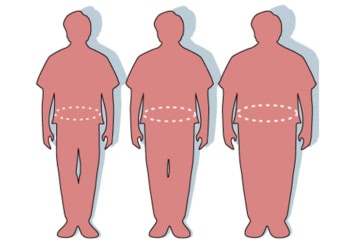
Excess body mass does not inherently reduce employment chances in Australia, study finds

May 1, 2026
Anxious-depressed individuals underestimate themselves even when they’re right
Business

Is bad mental health an economic problem at its core?

April 23, 2026
Republican lawmakers lead the trend of using insults to chase media attention instead of policy wins
Business

Children with obesity face a steep decline in adult economic mobility

April 16, 2026
Scientists just found a novel way to uncover AI biases — and the results are unexpected
Artificial Intelligence

Artificial intelligence makes consumers more impatient

April 11, 2026
Weird disconnect between gender stereotypes and leader preferences revealed by new psychology research
Business

When the pay gap is wide, women see professional beauty as a strategic asset

April 11, 2026
Building muscle strength may help prevent depression, especially in women
Business

New study finds link between receptivity to “corporate bullshit” and weaker leadership skills

March 20, 2026

Follow PsyPost

The latest research, however you prefer to read it.

Daily newsletter

One email a day. The newest research, nothing else.

Google News

Get PsyPost stories in your Google News feed.

Add PsyPost to Google News
RSS feed

Use your favorite reader. We also syndicate to Apple News.

Copy RSS URL
Social media
Support independent science journalism

Ad-free reading, full archives, and weekly deep dives for members.

Become a member

Trending

  • Study finds no association between frequency of video game play and spatial abilities
  • The location of your body fat is linked to how fast your brain ages
  • Psychopathy and Machiavellianism often look identical, but daily behavior suggests otherwise
  • Not having children isn’t linked to lower happiness, but having more than you wanted is
  • Visual experience physically shapes the brain’s feedback loops

Science of Money

  • New study sheds light on how self-control and confidence shape your financial well-being
  • Economists pull apart the two reasons to raise the minimum wage
  • Can ChatGPT beat the S&P 500? Eight months of daily picks suggest no
  • When inheritances shrink inequality, and when they widen it: A six-country look at the tipping point
  • Why winning makes some gamblers bet bigger: the psychological traits behind the “house money” effect

PsyPost is a psychology and neuroscience news website dedicated to reporting the latest research on human behavior, cognition, and society. (READ MORE...)

  • Mental Health
  • Neuroimaging
  • Personality Psychology
  • Social Psychology
  • Artificial Intelligence
  • Cognitive Science
  • Psychopharmacology
  • Contact us
  • Disclaimer
  • Privacy policy
  • Terms and conditions
  • Do not sell my personal information

(c) PsyPost Media Inc

Welcome Back!

Login to your account below

Forgotten Password?

Retrieve your password

Please enter your username or email address to reset your password.

Log In

Add New Playlist

Subscribe
  • My Account
  • Cognitive Science Research
  • Mental Health Research
  • Social Psychology Research
  • Drug Research
  • Relationship Research
  • About PsyPost
  • Contact
  • Privacy Policy

(c) PsyPost Media Inc