People living with major depressive disorder or bipolar disorder who show heightened brain activity when viewing fearful faces possess an elevated risk of psychiatric hospitalization within a year. A complementary tendency to recognize negative facial expressions more rapidly than positive ones also tracks with this heightened vulnerability. These findings emerged from a recent study published in the journal Neuropsychopharmacology.
Major depression and bipolar disorder represent two of the most common and persistent mood disorders globally. Both health conditions can severely disrupt a person’s life and sometimes lead to periods marked by intense psychological distress. The economic costs to society are immense, stemming from impaired occupational functioning and the need for intensive medical treatments. When symptoms escalate rapidly, individuals may require psychiatric inpatient hospital care for stabilization and safety.
Predicting who might experience these severe relapses remains a massive challenge for medical professionals. Clinicians usually rely on a patient’s medical history, current symptom severity, and medication status to estimate their risk for future hospitalization. Mental health specialists suspect that deeper biological and psychological markers could offer much better clues about a patient’s long-term trajectory. A prominent area of interest involves how the brain processes emotional information over time.
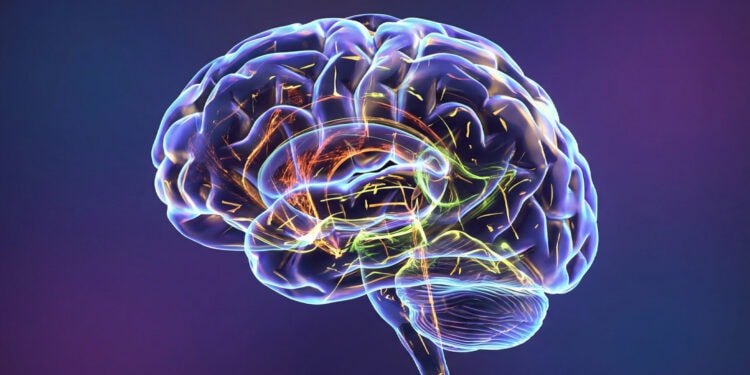
People with mood disorders often exhibit subtle differences in the way they interpret the social world around them. Previous research has linked depression and bipolar disorder to increased activity in the amygdala, a small structure deep within the brain that acts as a primary alarm system for detecting threats. Similarly, the fusiform gyrus, a brain region dedicated to recognizing faces, often works in overdrive when individuals with these health conditions view emotional expressions.
This elevated brain activity is thought to create a negative cognitive bias. Experts believe that inadequate regulation by the prefrontal cortex allows the amygdala to overreact to benign situations. This dysregulation leads individuals to perceive neutral social interactions as hostile or upsetting. The constant misinterpretation of social cues can maintain a depressed mood or trigger heightened anxiety.
To explore whether these neurological traits predict long-term clinical outcomes, a team led by Kamilla W. Miskowiak conducted an investigation. Miskowiak is a professor and clinical psychologist at the University of Copenhagen and the Mental Health Services in the Capital Region of Denmark. Her collaborative team sought to determine if a patient’s neurological and behavioral responses to faces could forecast their likelihood of severe health incidents. They suspected that heightened threat sensitivity might compromise psychological resilience and leave people vulnerable to sudden symptom spikes.
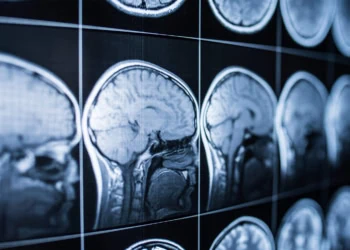
The research team recruited 112 participants who had previously been diagnosed with either major depressive disorder or bipolar disorder. At the start of the investigation, the participants underwent tests to assess their mental state and gather baseline recordings of their emotional reactivity. The researchers utilized functional magnetic resonance imaging, a technology that measures changes in blood flow to observe brain activity in real time. Inside the machine, the participants laid still while viewing a series of photographs depicting happy or fearful human faces shown for mere fractions of a second.
While the scanner recorded their brain activity, the participants pressed buttons to indicate the gender of the person in each photograph. This task allowed the scientists to record continuous unconscious reactions within the participants’ amygdala and fusiform gyrus without the subjects actively thinking about the emotions shown. Outside the scanner, the participants completed an additional behavioral assessment on a standard computer. This secondary test required them to recognize a morphing facial expression as sadness, fear, anger, disgust, surprise, or happiness.
The computer program steadily increased the intensity of the emotional expressions during the testing phase. The participants were instructed to identify the emotion as quickly and accurately as possible by tapping labeled keys on a keyboard. Following the initial testing phase, the researchers tracked the participants for one entire year using the Danish national health registries. These comprehensive population databases keep extensive, centralized records of all hospital admissions and medical diagnoses across the country.
By analyzing the registry data, the team could precisely identify which subjects ended up admitted to a psychiatric hospital during the twelve months after their brain scans. Only inpatient hospitalizations strictly tied to mood episodes were counted in the final data. When reviewing the clinical timelines, the scientists discovered an association between excessive brain activation and subsequent inpatient care. Patients who displayed higher levels of activity in the left amygdala when looking at fearful faces experienced a much higher rate of admission to psychiatric facilities.
The registry results showed that a proportional increase in left amygdala reactivity equated to a roughly three percent higher average probability of needing hospital therapy. Other brain regions evaluated in the scan, like the right amygdala and the left or right fusiform gyrus, did not display a statistically significant relationship with future hospital visits. The behavioral data from the computer tests provided parallel insights into the patients’ mental vulnerabilities. Individuals who recognized negative faces faster than they recognized positive faces faced a noticeably higher risk of needing hospitalization.
For every slight increase in this face recognition speed metric, the participants experienced an approximate three and a half percent bump in their average baseline danger of admission. The accuracy with which they identified the specific emotions, however, yielded results that were not statistically significant in relation to future psychiatric visits. Miskowiak and her colleagues propose that these specific neural and behavioral markers indicate a hyperactive stress response system. An exaggerated sensitivity to threats might exhaust a person’s coping mechanisms over several months.
Without adequate mental regulation, constant negative perceptions could easily exacerbate depressive or manic episodes until they reach an emergency threshold. The researchers emphasize that the tests highlight a potential vulnerability profile rather than an underlying mechanism that spontaneously triggers an episode. The study provides novel prognostic insights, but it comes with a few limitations that warrant consideration. Out of the 112 participants monitored throughout the year, only 20 individuals ultimately required psychiatric hospitalization.
This modest number of serious clinical events means that larger validation studies are necessary to confirm the exact patterns of risk. The participant group also included people taking a wide variety of psychotropic medications, which might have influenced individual brain responses in subtle ways. Because the research relied entirely on observational data from health registries, the design cannot determine if the negative cognitive biases directly provoke the hospitalizations. The associations simply indicate that exaggerated threat responses tend to coincide with poorer clinical outcomes.
The researchers also combined patients with major depressive disorder and bipolar disorder into a single group to maintain sufficient statistical power. Future work might separate these populations to see if the predictive biomarkers act differently depending on the specific diagnosis. Moving forward, the scientists hope to explore whether these threat-processing markers can actively guide therapeutic decisions in clinics. If clinicians can identify patients with high amygdala reactivity early on, they might be able to offer more targeted interventions.
Preventative psychological therapies designed to reduce negative cognitive biases could theoretically lower the overall disease burden for the highest-risk populations. Modifying the way these brains process emotional information might ultimately keep more patients safe and out of emergency psychiatric wards.
The study, “Amygdala reactivity to threat, negative facial perception, and risk of future psychiatric hospitalizations: a longitudinal study in major depressive and bipolar disorders,” was authored by Kamilla W. Miskowiak, Brice Ozenne, Hanne L. Kjærstad, Patrick M. Fisher, Emily E. Beaman, Vibeke H. Dam, Alexander T. Ysbæk-Nielsen, Gitte M. Knudsen, Lars V. Kessing, Julian Macoveanu, Vibe G. Frøkjær, and Anjali Sankar.