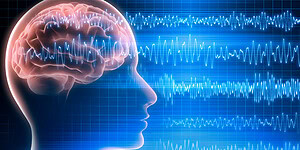
Trauma survivors process angry expressions differently on a subconscious level
People who experienced abuse during childhood may automatically lock their attention onto signs of anger. A new brain wave study reveals that survival adaptations tied to early trauma manifest as involuntary reflexes rather than conscious emotional evaluations.
Copy and paste this URL into your WordPress site to embed
Copy and paste this code into your site to embed
