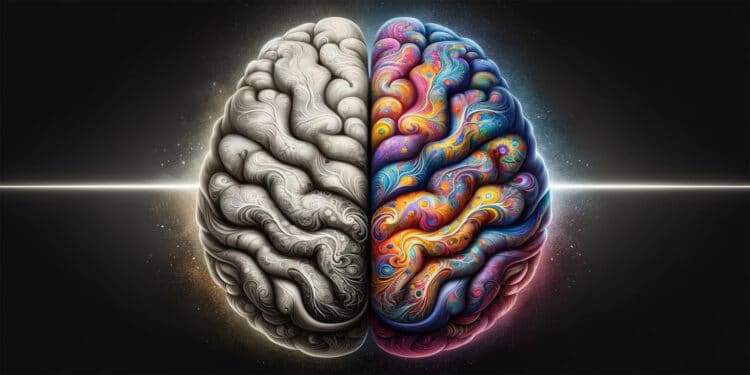

In the fascinating world of human cognition, there’s a peculiar phenomenon that stands out, not just for its intrigue but also for the profound questions it raises about memory and reality. It’s known as the Mandela Effect. This term might sound like it’s plucked straight from a science fiction novel, but it’s a very real and deeply intriguing concept that has captured the imagination of psychologists and laypeople alike.
Origins of the Name
Let’s start with a bit of a backstory. The Mandela Effect gets its name from Nelson Mandela, the renowned anti-apartheid revolutionary and former president of South Africa. The term was coined by Fiona Broome, a paranormal researcher, who discovered that she, along with many others, remembered Nelson Mandela dying in the 1980s during his imprisonment. However, in reality, Mandela was released in 1990 and passed away in 2013. This discrepancy between collective memory and historical fact sparked the conversation around what is now known as the Mandela Effect.
What Exactly is the Mandela Effect?
At its core, the Mandela Effect refers to a situation where a large group of people remembers an event or detail differently than how it occurred in reality. It’s like a glitch in the matrix of collective memory, where our recollections don’t align with the factual record. This phenomenon extends beyond just historical events. It includes misquotations from movies, misconceptions about logos, and even altered recollections of book titles and character names.
Fascinating Examples
Some classic examples of the Mandela Effect include the collective misremembering of the famous line from the movie “Star Wars,” where many recall Darth Vader saying, “Luke, I am your father,” when the actual line is, “No, I am your father.” Another example is the children’s book series “The Berenstain Bears.” Many recall it being spelled as “The Berenstein Bears,” creating a widespread sense of bewildered nostalgia.
Exploring the Causes
So, what causes this bizarre phenomenon? While the exact reasons are still debated, several theories offer explanations:
- False Memories: This theory suggests that the Mandela Effect is a form of false memory, where inaccuracies in our memory systems lead to distorted recollections. Human memory is not a perfect recorder of events but rather a reconstructive process, prone to errors and influenced by biases and suggestions.
- Confabulation: Related to false memories, confabulation refers to the creation of fabricated, distorted, or misinterpreted memories, without the intention to deceive. It often fills in the gaps in one’s memory with what feels true or plausible.
- Social and Cognitive Factors: Memory is also influenced by social dynamics. The way information is presented, discussed, and reinforced in a group can lead to collective misremembering. Our cognitive biases, like the confirmation bias, where we favor information that confirms our preexisting beliefs, play a role too.
- Parallel Universes (A More Speculative Theory): On the fringe, some suggest the Mandela Effect might be evidence of parallel universes or alternate realities. While this theory is more popular in science fiction than in scientific circles, it adds an intriguing, if speculative, dimension to the conversation.
Implications and Conclusions
The Mandela Effect is more than just a curiosity; it has profound implications. It challenges our understanding of memory, reminding us that our recollections are not always as reliable as we believe. This has important implications in various fields, from legal (eyewitness testimonies) to psychological (understanding how memory works).
In conclusion, the Mandela Effect serves as a fascinating reminder of the complexities of the human mind. It’s a blend of psychology, culture, and perhaps a sprinkle of mystery, inviting us to question and explore the intriguing pathways of our memories and perceptions. Whether it’s a simple case of misremembering or something more profound, the Mandela Effect continues to be a captivating topic for both scientists and the public alike.