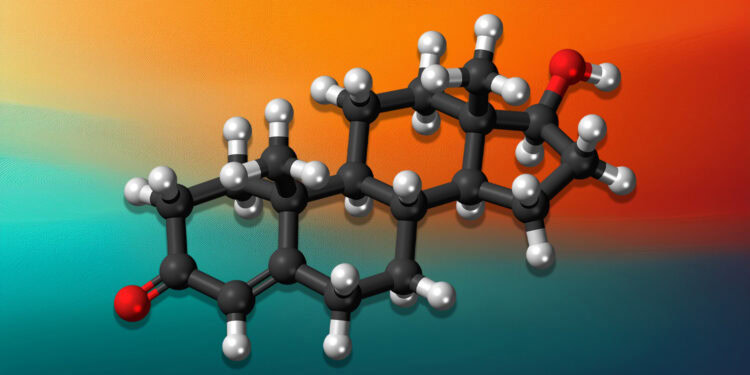
A new study published in Comprehensive Psychoneuroendocrinology suggests that gender-affirming hormone therapy may influence specific personality traits in transgender individuals. The findings indicate that medical transition can shift certain emotional and behavioral patterns toward those typically associated with the individual’s identified gender. While personality is often viewed as a static set of characteristics, this research provides evidence that sex hormones might play a role in shaping how people think, feel, and behave.
The relationship between hormone levels and personality traits remains a complex area of study. Previous research on cisgender populations (people whose gender identity matches their sex assigned at birth) has documented average differences in personality traits between men and women. For instance, women tend to score higher on traits related to agreeableness and neuroticism compared to men. The researchers wanted to determine if altering hormone levels through medical treatment would cause personality shifts in transgender individuals.
“This investigation was part of a larger study regarding possible effects on the brain from gender-affirming hormonal treatment. For us, who are clinically active in transgender care, it is obvious that sex hormones have effects on the brain in an extent not totally acknowledged. So the deeper aim was to investigate the effects of sex hormones on personality traits, something usually believed to be rather static,” explained study author Mats Holmberg of the Karolinska Institutet.
The research team conducted a prospective study involving adults referred for gender-affirming hormone therapy at the Karolinska University Hospital in Stockholm, Sweden. To ensure the results specifically reflected hormonal changes rather than other factors, the scientists excluded individuals with known psychiatric disorders, autism spectrum disorder, or those taking antidepressant medications. This helped minimize variables that could skew the personality assessments.
The final group of participants consisted of 58 individuals. This included 34 people assigned female at birth who were prescribed testosterone and 24 people assigned male at birth who received anti-androgens and estradiol. Anti-androgens are medications that block the effects of testosterone.
The researchers used the NEO-PI-R inventory to assess personality. This is a comprehensive questionnaire based on the Five-Factor Model, often called the “Big Five.” This model categorizes personality into five main dimensions: Neuroticism, Extraversion, Openness, Agreeableness, and Conscientiousness. Neuroticism refers to the tendency to experience negative emotions like anxiety or sadness.
Extraversion describes sociability and enthusiasm. Openness involves curiosity and a willingness to try new things. Agreeableness relates to how cooperative and compassionate a person is. Conscientiousness reflects organization and dependability. Participants completed this assessment twice: once before starting hormones and again after at least six months of treatment.
Before treatment began, the researchers observed specific differences between the two groups. Participants assigned female at birth scored higher in the dimension of Agreeableness compared to those assigned male at birth. They also scored higher in specific sub-categories, known as facets, such as excitement seeking and straightforwardness. These baseline differences suggested that even prior to hormonal intervention, the groups displayed distinct personality profiles.
After six months of testosterone therapy, the participants assigned female at birth showed distinct changes. Their scores for Neuroticism decreased significantly. Within this dimension, they reported lower levels of depression and vulnerability. Simultaneously, this group showed an increase in the facet of “Actions,” which falls under the Openness dimension. This suggests a greater willingness to try different activities or behaviors. The reduction in Neuroticism aligns with patterns seen in cisgender men, who generally score lower in this trait than cisgender women.
The group assigned male at birth, who received feminizing hormones, experienced different shifts. These participants showed an increase in the “Feelings” facet of the Openness dimension. This indicates a greater receptivity to one’s own inner emotional states. Unlike the testosterone group, they did not show significant changes in the broad dimensions of Neuroticism or Extraversion. The increase in emotional receptivity mirrors findings in cisgender women, who typically score higher in this specific facet.
The scientists also looked for relationships between the amount of hormone change in the blood and the degree of personality change. In the group assigned male at birth, higher increases in estradiol levels correlated with lower scores in several traits, including Openness and Agreeableness. This finding was unexpected and somewhat contradictory to general sex differences, indicating a complex relationship between estrogen and personality that requires further study.
The comparison between the two groups after treatment revealed a divergence in the trait of vulnerability. Following six months of therapy, the group treated with testosterone showed a significant reduction in vulnerability. The group treated with estrogen did not show a corresponding increase or decrease. This resulted in a larger gap between the two groups post-treatment than existed beforehand.
While the study offers new insights, the researchers caution against drawing broad conclusions due to several limitations. The sample size was relatively small, which makes it difficult to generalize the findings to the entire transgender population. Additionally, the study did not include a control group of individuals not receiving hormone therapy. This makes it impossible to distinguish clearly between the biological effects of the hormones and the psychological effects of social transition.
The relief of treating gender dysphoria—the distress caused by a mismatch between gender identity and physical sex—could naturally improve mood and reduce neuroticism, regardless of specific chemical changes. The act of living authentically and being perceived correctly by others likely impacts personality expression as well.
The researchers also noted that the study only covered the first six months of treatment. It remains unknown if these personality changes persist, evolve, or revert over a longer period. Personality is generally considered stable in adulthood, so observing changes within such a short timeframe is notable. However, longer-term data is necessary to see if these shifts are permanent.
Future research requires larger groups of participants followed over several years to confirm these initial observations. The scientists emphasize that these results do not validate conservative gender roles but rather highlight that sex hormones may influence brain function and personality formation more than previously understood. They suggest that understanding these potential changes can help patients better anticipate the effects of medical transition.
The study, “The effect of gender-affirming hormonal treatment on personality traits – a NEO-PI-R study,” was authored by Mats Holmberg, Alex Wallen, and Ivanka Savic.