A recent review of animal research suggests that caffeine might help ease symptoms of anxiety and depression by reducing inflammation in the brain. The researchers analyzed multiple experiments and found that the widely consumed stimulant consistently lessened behavioral signs of distress in rodents. These results were published in the journal Translational Psychiatry.
Mental health conditions like anxiety and depression affect millions of people worldwide. While these conditions are often linked to emotional distress, they also involve physical changes within the brain. One major physical change is neuroinflammation, which is an immune response that can damage brain cells and alter how neurotransmitters operate.
Neurotransmitters are the chemical messengers that allow brain cells to communicate. When inflammation disrupts these chemical signals, people can experience changes in mood, motivation, and memory. Current medications for mood disorders do not work for everyone, prompting researchers to look for natural compounds that might help.
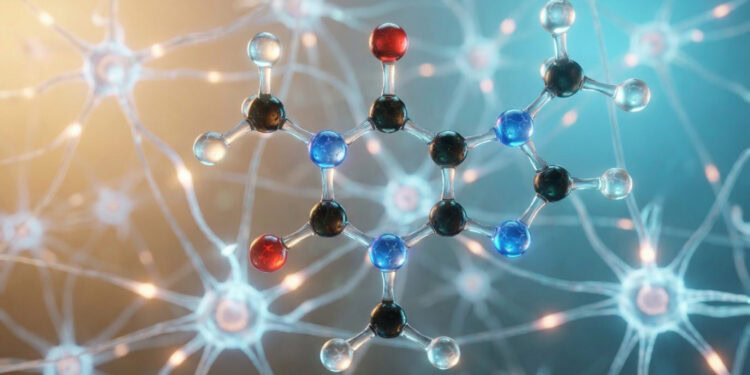
Caffeine is a psychoactive substance found in coffee, tea, and chocolate. It primarily works by blocking adenosine receptors, which are specific docking stations on the surface of brain cells. Normally, when the chemical adenosine binds to these receptors, it promotes sleepiness and slows down nerve cell activity.
There are two main types of these docking stations involved in mood, known as A1 and A2A receptors. By blocking these specific receptors, caffeine increases alertness and influences the release of other brain chemicals, such as dopamine and serotonin. Dopamine and serotonin are heavily involved in regulating mood, pleasure, and motivation.
Caffeine also has antioxidant properties, meaning it can help neutralize harmful molecules that damage cells. Because caffeine influences both brain chemistry and inflammation, scientists wanted to see if it could reliably treat mood disorders. Laís da Silva Neves, a researcher at the Universidade Federal Fluminense in Brazil, led a team to investigate this question.
The research group aimed to evaluate the specific effects of caffeine on brain inflammation in animal models of anxiety and depression. To answer their question, Neves and her colleagues conducted a systematic review. This type of research involves gathering all the previously published experiments on a specific topic and analyzing them together to find broad patterns.
The team searched scientific databases for studies that tested caffeine in rodent models of anxiety and depression. They ultimately found seventeen eligible experiments. Six of these studies focused on anxiety, while eleven focused on depression.
The original researchers in these experiments used different methods to induce mood disorders in rats and mice. In the anxiety studies, rodents were subjected to stressful situations to trigger anxious behaviors. Some animals faced short periods of stress, such as being deprived of sleep for two days or being exposed to the scent of a predator.
Other animals experienced chronic stress, like being physically restrained for several weeks. After inducing stress, the researchers in the original studies gave the rodents caffeine. The substance was delivered in various ways, including in drinking water or through injections.
The scientists then tested the animals’ behavior by placing them in mazes or open spaces to see how willing they were to explore. One common test was an elevated maze shaped like a cross, which featured both enclosed and open pathways. Anxious rodents tend to hide in the enclosed sections, while less anxious animals will venture out into the open pathways.
Neves and her team found that caffeine consistently reversed anxiety behaviors, encouraging the animals to explore the open spaces. Caffeine also helped the animals perform better on memory tests, like recognizing familiar objects. Beyond behavior, the researchers looked at the physical changes inside the rodents’ brains.
They found that caffeine reduced the levels of pro-inflammatory cytokines. Cytokines are small proteins that immune cells use to signal one another. Certain types can trigger damaging inflammation if they remain elevated.
By lowering these inflammatory proteins, caffeine helped calm the brain’s immune response. The review also showed that caffeine decreased oxidative stress in the brain. Oxidative stress is a process where unstable molecules called free radicals damage the lipids, or fats, that make up brain cell membranes.
At the same time, the stimulant boosted the brain’s natural antioxidant defenses. The depression studies included in the review showed similar benefits. To induce depression behaviors in mice and rats, scientists used different types of stressors.
Some studies used chronic social stress, while others injected the animals with a bacterial toxin called lipopolysaccharide. This bacterial toxin rapidly activates the immune system, causing widespread inflammation that leads to depressive behaviors. Animals experiencing this type of inflammation often give up quickly in swimming tests or lose their preference for sweet liquids.
These behaviors mimic the loss of motivation and pleasure often seen in human depression. When the depressed rodents were treated with caffeine, their behavior improved. They regained their motivation to escape water tests and showed renewed interest in sugar water.
Neves and her team noted that these behavioral improvements closely matched a reduction in brain inflammation. In these depression models, caffeine again lowered the levels of harmful cytokines. It also reduced the activation of microglia, which are the primary immune cells located in the central nervous system.
When microglia stay in an active, defensive state for too long, they can harm surrounding brain tissue. Some of the reviewed studies compared caffeine directly to traditional antidepressant medications. The results showed that caffeine produced behavioral improvements comparable to the prescription drug imipramine.
Other experiments tested caffeinated coffee against decaffeinated coffee. These tests revealed that the caffeinated version was much better at reducing inflammation. The review also highlighted other plant compounds that function alongside caffeine.
For instance, low doses of a chemical called caffeic acid, when combined with caffeine, reduced depression behaviors and lowered inflammatory proteins. Similarly, green tea extracts containing caffeine offered protective benefits against inflammation-induced depression. Additionally, the review showed that caffeine increased levels of a protein called brain-derived neurotrophic factor.
This protein acts like a fertilizer for the brain, helping to support the survival of existing neurons and encouraging the growth of new connections. By boosting this protein, caffeine may help repair some of the brain damage caused by chronic stress. While the results are promising, the researchers noted several limitations in the available data.
Almost all the reviewed experiments used adult male rodents. This leaves a gap in understanding how caffeine might affect females, adolescents, or the elderly. Stress impacts different groups in unique ways, and hormonal differences can alter how the body processes stimulants.
The doses of caffeine used in the original experiments also varied widely. Most studies used low to moderate amounts, which produced anti-inflammatory and mood-boosting effects. However, a few studies found that extremely high doses actually worsened anxiety and impaired memory.
Because a high dose of caffeine can be toxic and trigger panic, scientists need to determine the exact amount that is safe and helpful. Future research should focus on different age groups and include both sexes to fully understand how caffeine alters brain chemistry. Scientists also need to standardize caffeine doses to better compare results across different experiments.
These adjustments will help clarify exactly how much caffeine is beneficial. Until then, these animal studies offer a solid foundation for exploring how a common daily beverage might protect the brain against the physical toll of stress.
The study, “Effects of caffeine on neuroinflammation in anxiety and depression: a systematic review of rodent studies,” was authored by Laís da Silva Neves, Giovanna Várzea Roberti Monteiro de Mattos, Yasmin Oliveira-Nazareth, Rosane Souza da Silva, and Paula Campello-Costa.