PsyPost
  • Mental Health
  • Social Psychology
  • Cognitive Science
  • Neuroscience
  • About
No Result
View All Result
Join
My Account
PsyPost
No Result
View All Result
Home Exclusive Psychopharmacology

Study suggests psychedelics promote eco-friendly behaviors by altering your relationship to nature

by Eric W. Dolan
September 3, 2017
Reading Time: 2 mins read
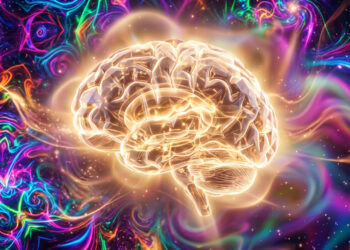
(Photo credit: drubig-photo)

(Photo credit: drubig-photo)

Share on TwitterShare on Facebook

Psychedelic drugs can positively affect people’s relationship with nature and promote eco-friendly behaviors, according to research published in the Journal of Psychopharmacology.

“In light of these findings, the present results once more raise the question whether a continuing prohibition of these experiences is indeed a worthwhile pursuit,” study authors Matthias Forstmann and Christina Sagioglou said in their article.

The experiences they’re talking about are produced by the so-called “classic” psychedelic drugs, which include lysergic acid diethylamide (LSD), “magic” psilocybe mushrooms, peyote, dimethyltryptamine (DMT) and ayahuasca.

In their study, the researchers surveyed 1,487 about their past drug use, relationship to nature, personality traits, and a number of other demographic variables.

They found that people who had used classic psychedelics were more likely to report that they enjoyed spending time in nature and were more likely to see themselves as a part of nature. This effect was independent of personality and political orientation.

The heightened level of nature relatedness was not found among people who had consumed other types of recreational drugs like alcohol or stimulants.

Psychedelic users who felt their self-identity was embedded in nature, in turn, were more likely to report engaging in everyday pro-environmental behaviors, such as recycling and buying environmentally friendly products.

“That is, the perception of being part of the natural world — rather than being separate from it — that is heightened for people who have experience with classic psychedelics, is largely responsible for the increased pro-environmental behavior that these people report,” the researchers explained in their study.

Google News Preferences Add PsyPost to your preferred sources

The study employed a cross-sectional design, which prevents the researchers from making firm conclusions about cause and effect.

Rather than psychedelics promoting nature relatedness, for example, it could be that people who feel more connected to nature are more likely to consume psychedelic drugs. But the researchers do not beleive that this is the case.

“As the relationship we found remained significant after controlling for demographic variables and personality traits such as openness to experience, conscientiousness, or political attitudes, it is unlikely that the association we found can be entirely explained by a collection of personality traits stereotypically associated with psychedelic users (e.g. being of the ‘hippie’ type).”
RELATED

New psychology research reveals your face might determine how easily people remember your name
Mental Health

Repeated doses of psilocybin show promise for treating obsessive-compulsive disorder

April 25, 2026
Caffeine can disrupt your sleep — even when consumed 12 hours before bed
Anxiety

A new study explores the boundary between everyday caffeine and panic

April 23, 2026
In shock discovery, scientists link mother’s childhood trauma to specific molecules in her breast milk
Alcohol

Even light drinking combined with aging is linked to reduced brain blood flow and thinner tissue

April 23, 2026
Ketone supplements vs. alcohol: New study uncovers a surprising interaction
Alcohol

Do we drink because we feel down, or feel down because we drink? A new study has the answer

April 22, 2026
Neuroscience study shows how praise, criticism, and facial attractiveness interact to influence likability
Psilocybin

Brain waves predict the intensity of magic mushroom trips

April 22, 2026
People with cannabis disorder do not seem to pay increased attention to pictures of cannabis
Cannabis

People with cannabis disorder do not seem to pay increased attention to pictures of cannabis

April 21, 2026
Republican lawmakers lead the trend of using insults to chase media attention instead of policy wins
Psychedelic Drugs

Can psychedelics help trauma survivors reconnect intimately?

April 16, 2026
Cannabis compound shows initial promise in reducing sleep disturbances
Cannabis

Cannabinoid use is linked to both pro- and anti-inflammatory effects, massive review finds

April 16, 2026

Follow PsyPost

The latest research, however you prefer to read it.

Daily newsletter

One email a day. The newest research, nothing else.

Google News

Get PsyPost stories in your Google News feed.

Add PsyPost to Google News
RSS feed

Use your favorite reader. We also syndicate to Apple News.

Copy RSS URL
Social media
Support independent science journalism

Ad-free reading, full archives, and weekly deep dives for members.

Become a member

Trending

  • How cognitive ability and logical intuition evolve during middle and high school
  • Former Christians express more progressive political views than lifelong nonbelievers
  • New psychology research reveals your face might determine how easily people remember your name
  • Certainty in your feelings toward your partner predicts relationship happiness and mental well-being
  • New neuroscience research shows how slowing your breathing alters your perception of the people around you

Psychology of Selling

  • Study finds Instagram micro-celebrities can shift brand attitudes and buying intent through direct engagement
  • Salespeople who feel they’re making a difference may outperform those chasing commissions
  • Five persuasive approaches and when each one works best for marketers
  • When salespeople feel free and connected to their boss, they’re less likely to quit
  • Want your brand to look premium? New research suggests making your logo less dynamic

PsyPost is a psychology and neuroscience news website dedicated to reporting the latest research on human behavior, cognition, and society. (READ MORE...)

  • Mental Health
  • Neuroimaging
  • Personality Psychology
  • Social Psychology
  • Artificial Intelligence
  • Cognitive Science
  • Psychopharmacology
  • Contact us
  • Disclaimer
  • Privacy policy
  • Terms and conditions
  • Do not sell my personal information

(c) PsyPost Media Inc

Welcome Back!

Login to your account below

Forgotten Password?

Retrieve your password

Please enter your username or email address to reset your password.

Log In

Add New Playlist

Subscribe
  • My Account
  • Cognitive Science Research
  • Mental Health Research
  • Social Psychology Research
  • Drug Research
  • Relationship Research
  • About PsyPost
  • Contact
  • Privacy Policy

(c) PsyPost Media Inc