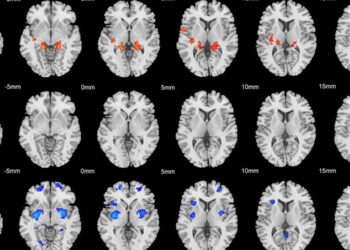
New research offers evidence that sleep problems in young children may be a warning sign for the development of attention-deficit hyperactivity disorder (ADHD) symptoms later in childhood. Published in the European Journal of Pediatrics, the study reveals that sleep disturbances at ages 8 to 9 significantly increase the likelihood of ADHD symptoms by ages 10 to 11.
ADHD , is a neurodevelopmental disorder that typically emerges in early childhood. It is characterized by persistent patterns of inattention, hyperactivity, and impulsivity that are more severe, frequent, and disruptive than typically observed in children at similar developmental stages. These symptoms can lead to difficulties in various areas of life, including academic performance, social interactions, and emotional regulation.
The disorder affects approximately 7.5% of children worldwide, making it one of the most common childhood mental health disorders. Given the disorder’s prevalence and impact on children’s lives, researchers are keen to understand the various factors that might contribute to its development.
While the relationship between sleep and ADHD has been studied before, this connection is complex and somewhat controversial. Some studies suggest that sleep problems might mimic ADHD-like symptoms, while others argue that ADHD itself may lead to sleep disturbances.
Led by Llúcia González-Safont, a researcher at the University of Valencia and visiting lecturer at the Universitat Jaume I in Castelló, the new study aimed to clarify the relationship between sleep problems and the development of ADHD symptoms in children. Specifically, the researchers wanted to determine whether sleep issues in young children could predict ADHD symptoms later in childhood, independent of other pre-existing conditions or early signs of ADHD.
To investigate this potential link, the researchers used data from a large, population-based cohort study known as the INMA Project, which tracks the health and development of children across various regions in Spain. This study focused on data from three specific regions: Gipuzkoa, Sabadell, and Valencia.
The study included a sample of 1,244 children whose sleep habits were assessed at ages 8 to 9 using the Child Behaviour Checklist, a widely used questionnaire filled out by parents. This questionnaire includes several items specifically designed to measure sleep problems, such as trouble falling asleep, frequent waking during the night, and sleeping less or more than other children. The severity of these sleep problems was scored on a scale from 0 to 9.
Two years later, when the children were between 10 and 11 years old, the researchers assessed ADHD symptoms using the Conner’s Parent Rating Scales, another validated questionnaire completed by parents. This scale measures the severity of ADHD-related behaviors, including inattention, hyperactivity, and oppositional behavior.
To ensure the accuracy of their findings, the researchers also considered various factors that could influence both sleep and ADHD symptoms. These included parental age, socioeconomic status, whether the child was born prematurely or small for gestational age, and whether the child had shown signs of ADHD at earlier ages.
The researchers found that children who had sleep problems at ages 8 to 9 were more likely to exhibit ADHD symptoms at ages 10 to 11. This association was particularly strong for symptoms of inattention and hyperactivity. For instance, children who scored higher on sleep problem measures were found to have a 14% increase in oppositional behavior, a 20% increase in inattention, and an 18% increase in hyperactivity two years later.
Importantly, this relationship held true even after the researchers accounted for previous ADHD symptoms and other clinical conditions, such as being born preterm or small for gestational age. This suggests that sleep problems in childhood are not just a consequence of existing ADHD but may actually contribute to the development of these symptoms over time.
The study also revealed that the impact of sleep problems on ADHD symptoms could vary depending on certain social factors. For example, children whose fathers were employed showed a stronger link between sleep problems and later ADHD symptoms than children whose fathers were unemployed. This finding points to the possibility that socioeconomic factors might influence the relationship between sleep and ADHD in complex ways.
While this study provides important insights, it also has some limitations. One notable limitation is that the researchers relied on parent-reported questionnaires to measure both sleep problems and ADHD symptoms. Although these questionnaires are widely used and have been validated in previous research, they are subjective and might be influenced by factors such as parental stress or bias. Additionally, the study did not include objective measurements of sleep, such as actigraphy or polysomnography, which could provide more precise data on sleep patterns.
Llúcia González emphasised that “these findings must be interpreted with caution. Although not all children with sleep disorders will develop symptoms of ADHD, detecting them at an early stage, with questionnaires that are easy to apply in paediatric consultations, could contribute to preventing or mitigating future symptoms of behavioural problems like ADHD. It would therefore be useful to incorporate this type of screening tool into primary care programmes such as the Children’s Health Programme.”
Future research could build on these findings by using more objective measures of sleep and exploring the underlying biological mechanisms that might link sleep disturbances to ADHD. Additionally, studies that include interventions to improve sleep in children could help determine whether addressing sleep problems early on might reduce the risk of developing ADHD symptoms later in life.
The study, “Sleep problems at ages 8–9 and ADHD symptoms at ages 10–11: evidence in three cohorts from INMA study,” was authored by Llúcia González-Safont, Marisa Rebagliato, Ane Arregi, Paula Carrasco, Mònica Guxens, Oscar Vegas, Jordi Julvez, and Marisa Estarlich.