In a groundbreaking study published in Nature Communications, researchers led by Professor Mathew Diamond of the International School for Advanced Studies (SISSA) in Italy have unveiled a fascinating link between the sense of touch and our perception of time, a connection that had long puzzled scientists.
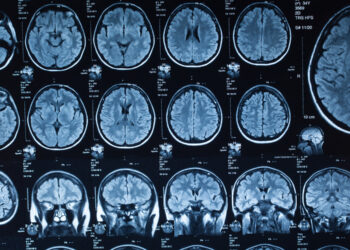
The study demonstrates how the somatosensory cortex, the part of the brain responsible for processing sensory information from our skin, plays a crucial role in how we perceive the duration of tactile experiences. This revelation not only deepens our understanding of sensory perception but also suggests that our sense of time is intertwined with multiple brain functions, including touch.
The researchers embarked on this study to address a long-standing question in neuroscience: how do we perceive time, given that there are no direct sensory receptors for it like there are for sight, sound, or touch?
Previous research hinted that the perception of time might be linked to other sensory modalities, but the mechanisms behind this connection were unclear. The team aimed to explore whether the somatosensory cortex, which processes touch, could also contribute to our sense of time, thereby suggesting a more integrated approach to understanding sensory perception.
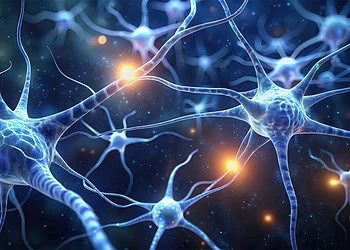
For their new study, the researchers utilized optogenetics, a cutting-edge technique that allows for the precise control of neuron activity using light. This approach allows scientists to control the activity of specific neurons in the brain with light, offering unprecedented precision in studying the brain’s functions.
To examine how these neurons might also contribute to the perception of time, the researchers conducted experiments on rats. These animals were chosen for their well-understood somatosensory system, which shares fundamental characteristics with humans.
The rats were trained in two distinct tasks: one group was trained to judge the intensity of tactile stimuli (vibrations applied to their whiskers), while the other group was trained to assess the duration of these stimuli. This setup allowed the researchers to isolate the perception of intensity from the perception of duration, focusing on each aspect independently.
By applying optogenetic techniques, the researchers could then selectively increase the neuronal activity in the somatosensory cortex of these rats. This manipulation had different effects depending on the task the rats were trained to perform. In the group trained to judge intensity, enhancing neuronal activity led the animals to perceive the vibrations as stronger.
Conversely, in the group focused on duration, the same increase in neuronal activity caused the vibrations to be perceived as lasting longer. These outcomes suggest that the neurons in the somatosensory cortex are not only processing tactile information but are also involved in constructing the perception of time related to these tactile experiences.
The study’s findings reveal a dual functionality of the somatosensory cortex, highlighting its role in both the tactile sense and time perception. This discovery challenges the traditional view that time perception is managed by distinct, dedicated brain regions. Instead, it supports the idea that our perception of time is integrated with other sensory experiences and relies on a widespread network of brain areas with diverse functions.
The researchers also developed a mathematical model to link the physiology of cortical neurons directly with the resulting percepts of duration and intensity, providing a theoretical framework for understanding how these complex neural processes translate into subjective experiences.
“The neuronal mechanisms underlying the perception of the duration of sensory events are still not fully known,” explained Diamond. “It is believed that, rather than relying on a single dedicated brain center, the perception of time emanates from networks of neurons distributed across various brain regions. The study’s findings demonstrate that the sensory processing stage of cortex is one component of the network. This means that one population of cortical neurons can give rise to two distinct sensory experiences, emphasizing the interconnected nature of time perception and touch.”
But as with all research, the study includes limitations. For one, the research was conducted on rats, and while their somatosensory systems share similarities with humans, further research is needed to confirm if the same mechanisms apply to human perception of time. Moreover, the study focused on the somatosensory cortex and its role in time perception within the context of tactile stimuli. Other senses and brain regions involved in time perception remain to be explored in more detail.
Future research will likely delve into the broader network of brain areas involved in sensing time, exploring how these mechanisms operate across different sensory modalities and in more complex perceptual tasks. Additionally, understanding how these processes might be altered in neurological conditions could open new avenues for therapeutic interventions.
The study, “Direct contribution of the sensory cortex to the judgment of stimulus duration,” was authored by Sebastian Reinartz, Arash Fassihi, Maria Ravera, Luciano Paz, Francesca Pulecchi, Marco Gigante, and Mathew E. Diamond.