
Does stress make people more susceptible to conspiracy theories?
Recent found that while acute stress significantly increased cortisol levels, it did not lead to higher endorsement of conspiracy theories or conspiratorial interpretations of new information, suggesting stress's influence on such beliefs may be minimal.
Read moreDetails
People prone to experiencing anger are more likely to believe in conspiracy theories
Individuals with higher trait anger and conspiracy mentality are more likely to believe in both low- and high-evil conspiracy theories, with younger and less educated individuals showing stronger belief in low-evil theories.
Read moreDetails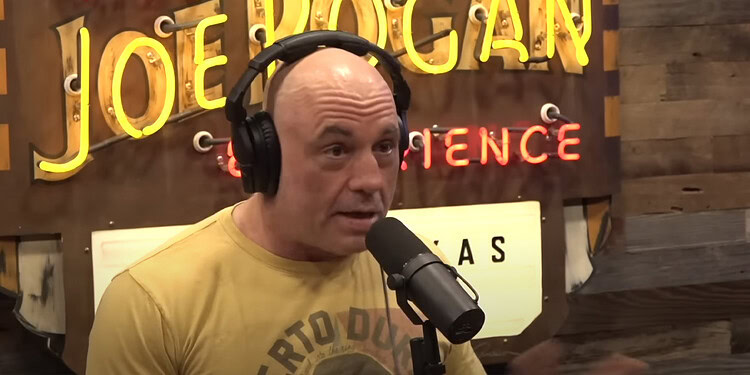
Listening to Joe Rogan predicts belief in extraterrestrial UFOs, study finds
Consuming paranormal documentaries, reality TV, Fox News, YouTube, and the Joe Rogan Experience podcast is linked to stronger belief in UFOs, while general media consumption and traditional news showed no such connection.
Read moreDetails
Younger individuals more likely to endorse conspiracy beliefs
A recent study found that conspiracy beliefs slightly decrease with age. Younger individuals tend to have stronger beliefs, linked to lower self-esteem, political dissatisfaction, and a preference for activism.
Read moreDetails
Why some people share conspiracy theories they don’t even believe
Research indicates that many individuals who share conspiracy theories online don't actually believe them; instead, they do so for personal gain, to create chaos, incite conflict, or garner attention.
Read moreDetails
Belief in a just world reduces conspiracy theory endorsement when ambiguity tolerance is low
According to a study published in Personality & Individual Differences, belief in a just world is negatively associated with conspiracy theory endorsement, but only among individuals with low ambiguity tolerance.
Read moreDetails
Is autism a factor in conspiracy mentality? New study says no
A new study published in Cognitive Neuropsychiatry has found no connection between autism and a general tendency to believe in conspiracies.
Read moreDetails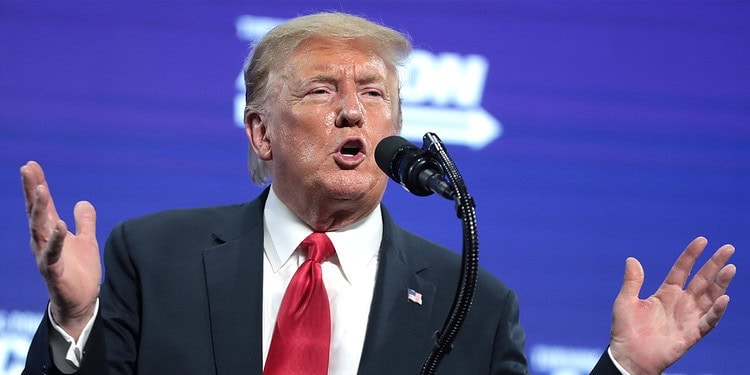
Trump’s election fraud allegations linked to temporary decline in voter turnout
Researchers have found that Donald Trump’s widespread claims of electoral fraud after the 2020 presidential election led to a short-term reduction in turnout among his supporters in Georgia’s 2021 Senate runoff.
Read moreDetails
Scientists reveal the impact of conspiracy theories on personal relationships and dating success
Conspiracy beliefs can directly reduce relationship satisfaction, especially when not shared by both parties, according to new research. The findings highlight how these beliefs strain interpersonal connections, offering new insights into the social consequences of conspiracy thinking.
Read moreDetails
Scientists trained AI to talk people out of conspiracy theories — and it worked surprisingly well
MIT researchers found that AI chatbots can reduce belief in conspiracy theories through fact-based conversations. The study suggests AI could be a powerful tool in countering misinformation, though its effectiveness depends on individual openness to change.
Read moreDetails
Belief in “White Replacement” conspiracy linked to anti-social traits and violence risk
A new study has found that belief in the "White Replacement" conspiracy theory is linked to anti-social traits, authoritarianism, and anti-immigrant sentiments, transcending political lines. These beliefs are associated with higher risks of violence and radical political behavior.
Read moreDetails
Belief in alien visits to Earth is spiralling out of control
Belief in alien visitation is growing, particularly in the US and UK. This belief has led to widespread conspiracy theories about government cover-ups, with 68% of Americans believing the government is withholding information about UFOs.
Read moreDetails
Experiencing extreme heat can weaken climate change conspiracies, research suggests
A recent study found that people who perceived hotter-than-usual temperatures were less likely to believe in climate change conspiracy theories, suggesting that personal experiences with weather anomalies may influence climate change beliefs.
Read moreDetails
People adopt anti-establishment attitudes when they feel threatened, study suggests
Four studies found that both realistic and symbolic threats predict anti-establishment attitudes, including conspiracy beliefs and populist views. The research suggests that generalized anxiety, regardless of its source, is linked to stronger anti-establishment sentiments.
Read moreDetails
Exposure to conspiracy theories heightens paranoid thoughts, study finds
Exposure to conspiracy theories heightens paranoid thoughts, as found in a study using longitudinal and experimental methods, revealing that negative emotions play a key role in this relationship and highlighting the mental health risks of conspiracy beliefs.
Read moreDetails