
Lesser-known cannabis compounds show promise for treating alcohol addiction in rats
A new study found that two minor cannabis compounds, CBN and THCV, were more effective at reducing voluntary alcohol drinking in rats than CBD, offering a potential new avenue for treating alcohol use disorder.
Read moreDetails
Childhood trauma and mental distress might shape the way fans idolize celebrities
A new study explores the psychological factors driving extreme celebrity fandom. Researchers found that while mental distress is strongly linked to celebrity obsession, the impact of childhood trauma reveals a surprising pattern of both obsessive attachment and emotional withdrawal.
Read moreDetails
New study sheds light on the connection between pornography habits and extreme gender beliefs
People who watch adult media for emotional escape or thrill-seeking tend to hold extreme beliefs about gender roles. New research shows this connection grows even stronger when viewers believe the videos accurately reflect real life.
Read moreDetails
Problematic sexual behavior may be an early warning sign for psychosis
A recent study found that young adults experiencing mild psychotic-like symptoms also report higher rates of hypersexuality and problematic porn use. Experts suggest these sexual behavioral issues could act as early markers for severe mental health challenges.
Read moreDetails
Fear of missing out is linked to hypersensitive brain reactions to digital likes
People who obsess over missing out on social events show hypersensitive brain activity when receiving digital approval, revealing a biological clue behind problematic phone checking and social media habits.
Read moreDetails
More than 6% of young adults suffer from Internet Gaming Disorder, global study reveals
A large new study cuts through the hype to find the true rate of video game addiction. Analyzing data from over 149,000 young adults, researchers discovered that roughly 6% suffer from a clinical loss of control over their gaming habits.
Read moreDetails
A healthy diet doesn’t cancel out the inflammatory effects of alcohol, study finds
While eating well slightly lowers inflammation, new research shows it is not enough to reverse the damage caused by frequent alcohol consumption. Moderate and heavy drinking were linked to significant inflammatory spikes, regardless of diet quality.
Read moreDetails
Artificial intelligence tools answer addiction questions accurately but lack medical nuance
People increasingly turn to artificial intelligence to answer sensitive behavioral health questions. A recent study evaluating how well a popular chatbot explains addiction found that while the platform provides accurate overviews, it frequently misses necessary medical nuances.
Read moreDetails
Brain cells store competing memories that drive or suppress alcohol relapse
New research reveals that the brain stores competing memories of alcohol addiction and recovery within the same type of cell. This discovery suggests that preventing relapse requires strengthening recovery circuits, not just weakening addiction pathways.
Read moreDetails
AI-designed drug reduces fentanyl consumption in animal models by targeting serotonin receptors
An experimental drug developed using artificial intelligence shows promise in treating opioid use disorder. The medication significantly lowered fentanyl intake in rodents by targeting serotonin receptors, promoting healthy brain adaptation without relying on traditional opioid-based treatments.
Read moreDetails
People with a natural tendency toward greed face a higher risk of gambling problems
People with a persistent desire for more are particularly vulnerable to gambling harms. A new study reveals that dispositional greed is linked to flawed thinking patterns, frequent betting, and an inability to walk away from the game.
Read moreDetails
Violent pornography use linked to sexual aggression risk among university students
A study of university students links watching violent pornography to a higher risk of committing sexual aggression. This association is especially strong among viewers who believe the explicit scenes reflect reality and who have victim-blaming friends.
Read moreDetails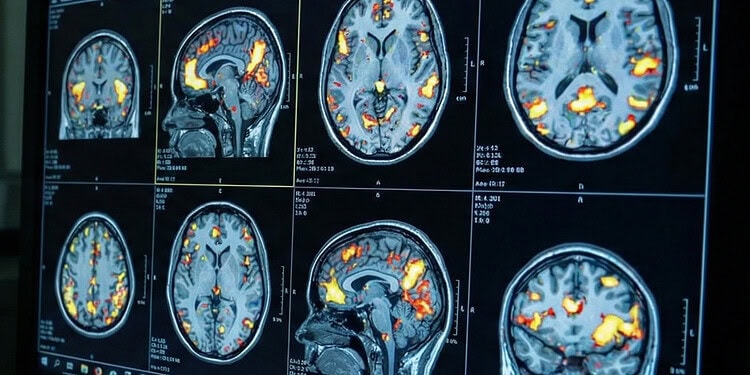
Brain scans reveal a universal neural signature for addiction
Whether addicted to alcohol, cocaine, or nicotine, people with substance use disorder share identical "short circuits" in their brain's reward networks. A massive new meta-analysis maps these specific neural disruptions, offering a potential blueprint for future treatments.
Read moreDetails
Combining alcohol with cocaine rewires the brain’s relapse pathways differently than cocaine alone
A new study shows that combining cocaine and alcohol changes the brain circuits responsible for drug relapse. This suggests treating people who use both substances will require entirely different medical approaches than treating those who only use cocaine.
Read moreDetails
Weight-loss drug semaglutide reduces heavy alcohol drinking in new clinical trial
A recent study finds that the active ingredient in Wegovy and Ozempic significantly decreased heavy drinking in patients with obesity and alcohol use disorder. The findings suggest a potential new treatment path for millions of people.
Read moreDetails