
Psychedelic experiences linked to reduced cannabis use and greater psychological flexibility
People who reported meaningful psychedelic experiences later showed reduced cannabis use and increased psychological flexibility. These findings suggest psychedelics might influence substance use behaviors in lasting ways, particularly when the experience is intense or transformative.
Read moreDetails
Secure friendships may protect single men from shame and depression linked to porn use
Findings from a new study indicate that morally conflicted pornography use among single men is associated with greater sexual shame and depressive symptoms. Supportive friendships seem to reduce the strength of these associations.
Read moreDetails
Lower IQ in youth predicts higher alcoholism risk in adulthood
A large study published in JAMA Psychiatry finds that lower IQ scores at age 18 are linked to increased risk of alcohol use disorder. Genetic factors and societal conditions both appear to influence how this risk develops over time.
Read moreDetails
Semaglutide shows potential to curb cocaine addiction behaviors
A new study suggests that semaglutide, a drug best known as Ozempic, may reduce cocaine use, motivation, and relapse in rats. These findings point to a possible role for GLP-1-based drugs in treating cocaine addiction.
Read moreDetails
New study finds two-way connection between rumination and problematic pornography use
Problematic pornography use and repetitive negative thinking appear to reinforce each other, according to new research in The Journal of Sex Research. The study tracked young adults over a year and found distinct patterns in how men and women are...
Read moreDetails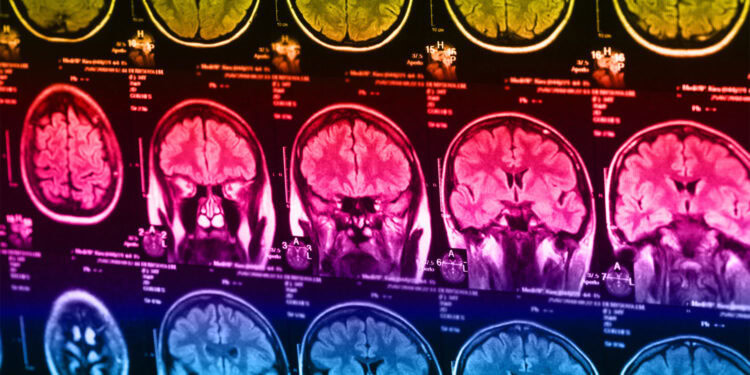
Scientists pinpoint brain region that locks in addiction by learning to escape withdrawal
How does the brain learn to link alcohol with relief from withdrawal, creating a powerful cycle of relapse? A new study isolates a specific cluster of neurons that becomes highly active, essentially locking in this compulsive behavior.
Read moreDetails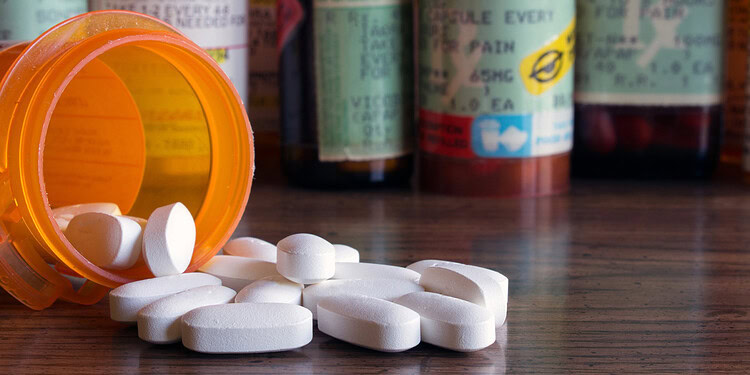
Jail-based opioid addiction treatment saves lives and reduces reincarceration
New research finds a powerful tool against the opioid crisis inside jail walls. Providing addiction medication to incarcerated individuals is associated with a 52% lower risk of fatal overdose and a 12% lower risk of returning to jail.
Read moreDetails
Cannabidiol shows no immediate effect on brain or behavior in young people with alcohol use disorder, study finds
Despite growing interest in cannabidiol as a treatment for substance use, a new study finds no evidence that a single dose alters brain function, craving, or drinking behavior in youth with alcohol use disorder.
Read moreDetails
Dopamine-boosting drug enhances self-control and reduces drinking in people with alcohol use disorder
A new study suggests the dopamine-boosting drug tolcapone may enhance self-control and reduce alcohol intake in people with alcohol use disorder by increasing activity in brain regions linked to inhibitory control, such as the inferior frontal gyrus and prefrontal cortex.
Read moreDetails
A woman’s craving for clay got so intense it mimicked signs of addiction
A new case report describes how a woman’s culturally rooted habit of eating clay escalated into a compulsion resembling addiction, leading to dangerous electrolyte imbalances, internal bleeding, and medical confusion.
Read moreDetails
Drug-using teens show distinct patterns of brain development tied to dopamine regulation
A new study suggests that slower development in dopamine-related brain regions may help explain why some teens are more likely to use substances or need stronger rewards to stay focused during adolescence, a period marked by heightened sensitivity to incentives.
Read moreDetails
Childhood trauma tied to sexual narcissism and hypersexual behavior
Researchers report that sexual narcissism may serve as a psychological link between childhood trauma and compulsive sexual behavior. Participants with compulsive sexual behavior reported more trauma, greater sexual narcissism, and higher hypersexuality scores than controls.
Read moreDetails
Are frequent porn users more sensitive to sexual cues? New evidence suggests the opposite
Researchers have uncovered a surprising link between solitary sexual desire and reduced physiological arousal to erotic cues. The study suggests that people who watch more pornography may actually be less responsive to it, challenging popular theories of addiction and craving.
Read moreDetails
Single dose of CBD reduces alcohol craving and brain reactivity in alcoholics
A new clinical trial has found that a single dose of cannabidiol can reduce alcohol craving and dampen activity in a brain region tied to reward. The findings point to CBD’s potential as a treatment option for alcohol use disorder.
Read moreDetails
Sugar addiction is real, according to these scientists
A new review in Brain and Behavior makes the case that sugar can be addictive. The authors highlight how sugar changes brain function, triggers cravings, and leads to behaviors that resemble addiction—contributing to obesity, anxiety, and metabolic disorders.
Read moreDetails