
Tree-covered neighborhoods linked to lower ADHD risk in children
A new study suggests that tree-covered areas may reduce the likelihood of ADHD in children by promoting physical activity, highlighting the potential mental health benefits of greenspaces and the importance of preserving natural environments in urban planning.
Read moreDetails
Excessive mind wandering mediates link between ADHD and depression/anxiety, study finds
Excessive mind wandering, rumination, and reduced mindfulness may explain the link between ADHD symptoms and increased anxiety and depression, highlighting potential areas for improving treatment in adults with ADHD.
Read moreDetails
AuDHD: What you need to know about the overlap of autism and ADHD
AuDHD, the co-occurrence of autism and ADHD, brings unique challenges and traits. Once thought incompatible, these conditions overlap more than you might expect.
Read moreDetails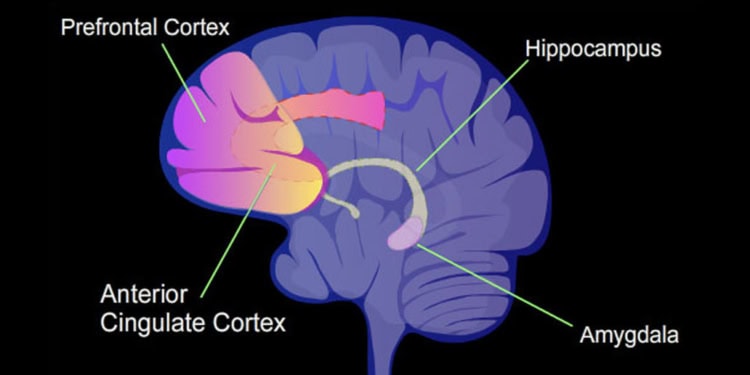
Adolescents with smaller amygdala region of the brain have higher risk of developing ADHD
Adolescents with smaller amygdala volumes are at higher risk for ADHD and experience more severe symptoms, suggesting amygdala size may help predict ADHD risk and severity.
Read moreDetails
Childhood sleep issues linked to increased risk of ADHD symptoms later on
Sleep problems in children aged 8-9 increase the risk of developing ADHD symptoms by ages 10-11, even after accounting for previous ADHD symptoms and other health factors.
Read moreDetails
New research links low-resource neighborhoods to increased ADHD in autistic youth
Autistic children born in underserved neighborhoods are more likely to exhibit heightened ADHD symptoms during mid-childhood and adolescence, with the social and economic conditions of the neighborhood being a significant predictor.
Read moreDetails
White and pink noise show promise in enhancing attention in those with ADHD
A meta-analysis has found that white and pink noise can slightly improve task performance in children and young adults with ADHD, offering a potential complementary treatment option.
Read moreDetails
ADHD patients show high rates of narcissistic personality disorder
A study found that a significant proportion of adults with ADHD exhibit narcissistic traits, particularly linked to hyperactivity and impulsivity, suggesting a complex relationship between ADHD and narcissistic pathology that impacts clinical outcomes and treatment approaches.
Read moreDetails
Stimulant medications normalize brain structure in children with ADHD, study suggests
Stimulant medications normalize structural brain abnormalities in children with ADHD, a new study suggests, specifically improving cortical thickness and subcortical volume, aligning them with typically developing peers.
Read moreDetails
ADHD and autism: New insights into their unique neural profiles
A meta-analysis of 243 fMRI studies revealed that ADHD and autism have distinct brain activity patterns, with unique neural activations for each disorder outweighing their similarities.
Read moreDetails
Children and teens with ADHD struggle with object recognition memory
A new meta-analysis reveals that children with ADHD have significant deficits in object recognition memory, highlighting specific cognitive challenges that impact their learning and daily functioning.
Read moreDetails
Females with ADHD diagnosed 4 years later than males, study reveals
Females with ADHD are diagnosed approximately four years later than males, leading to higher rates of psychiatric comorbidities, increased use of psychiatric medications, and greater healthcare utilization.
Read moreDetails
Here is why social anxiety and ADHD comorbidity requires special attention
Individuals with both social anxiety disorder and attention deficit hyperactivity disorder experience significantly more severe symptoms and impairments, highlighting the need for early screening and targeted interventions.
Read moreDetails
Stimulant and non-stimulant ADHD medications equally effective in enhancing cognitive functions
A meta-analysis reveals that long-term use of ADHD medications methylphenidate and atomoxetine enhances attention, inhibition, and working memory, suggesting both drugs are equally effective in improving cognitive functions in ADHD patients.
Read moreDetails
Consistent ADHD medication use linked to lower crime rates in adolescents
Adolescents in the Netherlands who consistently take their ADHD medication are significantly less likely to commit minor offenses, according to a recent study.
Read moreDetails