
A simple writing exercise shows promise for reducing anxiety
A new study suggests vivid fears about the future are linked to anxiety by lowering self-esteem. Researchers also found that a brief writing exercise imagining one's best possible future can reduce anxious feelings in the moment.
Read moreDetails
Energy insecurity linked to higher rates of depression and anxiety
Struggling to afford basic energy needs may take a toll on mental health, according to research in JAMA Network Open. The study found that U.S. adults facing energy insecurity were more likely to report symptoms of anxiety and depression.
Read moreDetails
Anxiety disorders linked to lower levels of key nutrient
A major analysis of brain chemistry reveals a potential biological signature for anxiety disorders: consistently lower levels of the essential nutrient choline. The findings, published in Molecular Psychiatry, suggest a link between nutrition and mental health.
Read moreDetails
New study reveals how the brain learns to adapt to harmless threats
A study in Molecular Psychiatry pinpoints a brain circuit that reduces fear of harmless threats over time. The research in mice offers new insight into the neural basis of adaptive learning and stress-related conditions like anxiety.
Read moreDetails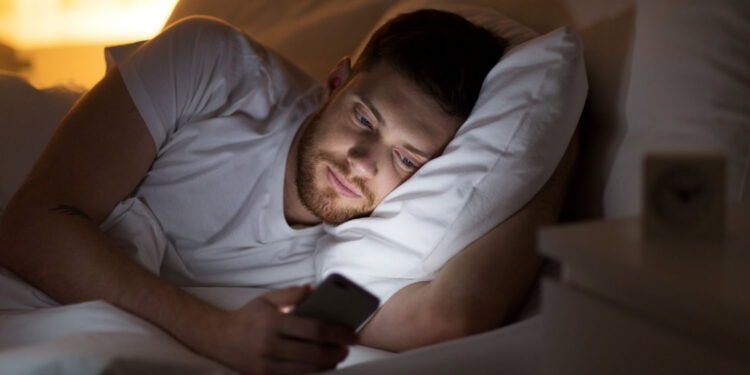
Night owls more prone to problematic smartphone use, with loneliness and anxiety as key factors
New research finds young adults who are "night owls" are more prone to problematic smartphone and social media use. A study in PLOS One suggests this isn't just about sleep patterns but is strongly linked to underlying feelings of loneliness...
Read moreDetails
Autistic individuals and those with social anxiety differ in how they experience empathy, new study suggests
Autism and social anxiety can look similar on the surface, but new research reveals meaningful differences in how empathy is experienced. The study proposes a new tool to help clinicians more accurately differentiate between the two conditions.
Read moreDetails
Researchers shed light on how personality and anxiety relate to insomnia
A new study suggests that personality traits like neuroticism and openness to experience may shape how severely people experience insomnia. But anxiety appears to explain much of the link, pointing to a more complex psychological pathway than previously assumed.
Read moreDetails
Progestin-only birth control during adolescence linked to impaired fear regulation in adulthood
Adolescent rats treated with a progestin-only contraceptive showed long-lasting impairments in fear extinction, according to a new study. Combined contraceptives did not have this effect, indicating that hormone formulation and timing may shape how the brain processes fear and safety.
Read moreDetails
Choral singing decreases the risk of developing depression and anxiety in older adults
New research suggests that group singing may help protect older adults from depression and anxiety. In a randomized trial, choral singing was as effective as a health education program in reducing the risk of affective disorders over a two-year period.
Read moreDetails
Cannabis use linked to stronger emotional responses but also better recovery in people with anxiety
Adults with anxiety who used cannabis reacted more strongly to stress but also bounced back more effectively. The study, published in the Journal of Psychopathology and Clinical Science, examined real-world cannabis use and emotional processing.
Read moreDetails
People with insecure affective attachment are more likely to be socially anxious
Researchers have found that insecure attachment is linked to higher levels of social anxiety. The study, drawing on data from over 21,000 participants across 42 studies, provides evidence that attachment patterns are related to mental health in significant ways.
Read moreDetails
Single dose of psilocybin provides lasting relief from depression and anxiety in cancer patients
Cancer patients with major depression experienced significant and long-lasting improvements after just one psilocybin session, according to new research. Two years later, many showed continued reductions in depression and anxiety, with some requiring no further treatment or medication.
Read moreDetails
Less anxious individuals are more sensitive to future consequences
A new study published in Personality and Individual Differences suggests that people with lower anxiety and higher perseverance are more responsive to long-term consequences when making decisions. Those with greater anxiety or low motivation tend to favor short-term emotional relief...
Read moreDetails
Genetics strongly influence persistent anxiety in young adults, new twin study suggests
A large-scale study of twins has found that long-term anxiety traits in young adults are largely shaped by genetics, while short-term changes are more influenced by life experiences. The research also identified two distinct patterns of anxiety symptoms.
Read moreDetails
Inflammation levels may shape how cannabis affects anxiety and sleep
A study of adults with anxiety found that cannabis products with higher cannabidiol (CBD) content tended to improve mood and sleep regardless of inflammation, while the effects of THC-dominant cannabis varied with participants’ baseline inflammatory status.
Read moreDetails