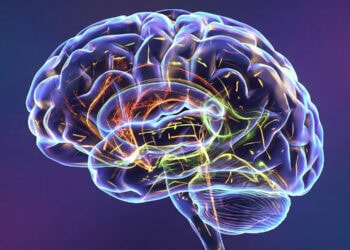
Have you ever wondered how scientists can see the brain in action? Our brains are constantly working, firing signals and using energy to let us think, feel, and move. Unlocking the secrets of this complex organ requires tools that can watch these processes as they happen. One of the most powerful techniques for this is the Positron Emission Tomography, or PET, scan.
A PET scan is a unique imaging method that goes beyond showing the brain’s structure. It reveals the brain’s function and chemistry, giving researchers a dynamic map of its activity. This article explains what a PET scan is, how it works, and its amazing applications in neuroscience research.
What is a PET Scan?
A PET scan is a type of nuclear medicine imaging. Unlike an X-ray or CT scan that shows what your brain looks like, a PET scan shows what your brain is doing. It measures important biological processes, such as how the brain uses sugar for energy or how chemical messengers are flowing between brain cells.
The technology relies on a special substance called a radiotracer. This is a biologically active molecule, like glucose (sugar), that has a tiny radioactive atom attached to it. Think of it as a delivery package with a GPS tracker inside, designed to be used by specific cells in the body.
How PET Scans Work in the Brain
The process of using PET to study the brain involves a few key steps. It combines biology, chemistry, and powerful data analysis to create its revealing images.
- Introducing the Tracer: A small, safe amount of a radiotracer is injected into a person’s bloodstream. The specific tracer used depends on what brain process researchers want to study.
- The Journey to the Brain: The radiotracer travels through the body and accumulates in the brain. Brain areas that are more active need more energy, so they absorb more of the tracer, especially if the tracer is attached to glucose.
- Radioactive Decay: The radioactive atom on the tracer is unstable and quickly breaks down. As it decays, it releases tiny particles called positrons. When a positron collides with an electron in the brain tissue, they annihilate each other and produce two gamma rays that shoot off in opposite directions.
- Detection and Imaging: The PET scanner is a large machine with a ring of detectors that surround the person’s head. These detectors register the gamma rays. A computer then analyzes the signals from millions of these events to pinpoint their origin.
- Creating the Map: Using complex algorithms, the computer reconstructs this data into a 3D map. The map shows where the radiotracer is most concentrated. Bright, colorful areas on a PET image indicate high levels of brain activity or chemical concentration, while cooler colors show less activity.
Key Applications of PET in Neuroscience
PET scans have opened new windows into understanding the brain in both health and disease. Neuroscientists use this technology to explore a wide range of questions.
Studying Brain Function and Metabolism
Researchers can use PET to see which parts of the brain “light up” when a person performs a task. For example, a scan could show which brain regions are active while someone is reading a book, listening to music, or solving a math problem. This helps scientists map the brain’s functional networks and understand how different regions work together.
By using a radiotracer attached to glucose, scientists can also create detailed maps of brain metabolism. This shows how efficiently different parts of the brain are using energy, which can be a key indicator of brain health.
Investigating Brain Disorders
PET is an essential tool for studying neurological and psychiatric conditions. It can detect changes in the brain long before symptoms become apparent or structural changes are visible on other scans like an MRI.
- Alzheimer’s Disease: PET scans can detect the buildup of abnormal proteins, like amyloid plaques and tau tangles, which are hallmarks of Alzheimer’s. This allows for earlier diagnosis and helps test the effectiveness of new treatments.
- Parkinson’s Disease: This condition involves the loss of brain cells that produce dopamine, a key neurotransmitter for movement. PET can measure dopamine levels in the brain, helping to diagnose Parkinson’s and monitor its progression.
- Epilepsy: For people with epilepsy, PET scans can help locate the exact region of the brain where seizures originate. This information can guide treatment, especially for patients who may be candidates for surgery.
Understanding Neurotransmitters
The brain’s communication system relies on chemical messengers called neurotransmitters, such as serotonin, dopamine, and GABA. PET allows scientists to visualize these systems in the living brain. By designing radiotracers that bind to specific neurotransmitter receptors, researchers can measure their density and distribution.
This capability is fundamental for understanding conditions like depression, anxiety, schizophrenia, and addiction. It helps scientists see how these disorders affect brain chemistry and how medications work to restore balance to these systems.
Frequently Asked Questions
Is a PET scan safe?
Yes, PET scans are considered very safe. The amount of radiation in the radiotracer is small, often comparable to the natural background radiation a person receives over a year. The tracer is designed to break down quickly and is cleared from the body within a few hours.
How is a PET scan different from an MRI?
The main difference is what they measure. An MRI (Magnetic Resonance Imaging) scan excels at showing brain structure in high detail, like a very clear photograph of the brain’s anatomy. A PET scan, on the other hand, shows brain function, revealing biological activity and chemical processes in real time.