Subscribe
The latest psychology and neuroscience discoveries.
My Account
  • Mental Health
  • Social Psychology
  • Cognitive Science
  • Psychopharmacology
  • Neuroscience
  • About
No Result
View All Result
PsyPost
PsyPost
No Result
View All Result
Home Exclusive Cognitive Science

Intermittent fasting might boost the creation of new neurons in a key brain structure

by Christian Rigg
April 2, 2020
in Cognitive Science
(Photo credit: UCLA)

(Photo credit: UCLA)

Share on TwitterShare on Facebook

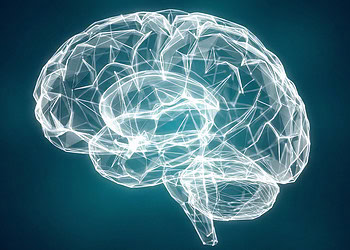
The connection between what and when we eat, and the structure and functionality of the brain, is one of the most complex relationships in modern medicine. But understanding this relationship will lead to fewer diseases, healthier minds, and longer lives. One regimen in particular, Intermittent Fasting (IF), has been shown to bolster the creation of new neurons (a process known as neurogenesis) in the hippocampus, a part of the brain involved in short and long term memory (and also one of the first casualties of Alzheimer’s disease).

Intermittent Fasting is a type of diet in which one regularly forgoes food for a certain period of time, usually somewhere between 14 and 18 hours. While it’s been known that IF increases the rate of hippocampal neurogenesis, the precise nature of the relationship is still poorly understood. To remedy this, researchers from the Universities of Singapore and Sungkyunkwan in Korea took a closer look at how IF affected change in the hippocampi of mice over a three month period in new research published in Brain and Behavior.

The mice were randomly assigned to four dietary groups: a control with no restrictions, and 12-hour, 16-hour and 24-hour fasted diets. The 12- and 16-hour groups fasted from either 3PM or 7PM to 7AM the next day, while the 24-hour group fasted every other day. Despite the varied schedules, all the mice ended up eating roughly the same number of calories.

As expected, all three dietary groups showed increased levels of neurogenesis in the hippocampus, with the most significant change in 16-hour mice. To better understand what was going on, the authors used a procedure called an immunoblot analysis, which can accurately detect certain proteins in a given tissue sample.

The analysis revealed an increased activation of the Notch signaling pathway, a type of cell-to-cell communication that’s important to cell differentiation, the process by which immature cells, like stem cells, take on a permanent form and function. In humans, Notch signaling is related to hippocampal neuroplasticity, the brain’s ability to create new connections, allowing us to learn and form new memories.

We still have a long way to go before fully understanding how our diets affect the structure and function of our brains. Studies like this one can help us make better-informed decisions for leading healthier and longer lives, while retaining our memories and maintaining cognitive faculties.

The study, “Intermittent fasting increases adult hippocampal neurogenesis“, was authored by Sang‐Ha Baik, Vismitha Rajeev, David Yang‐Wei Fann, Dong‐Gyu Jo, and Thiruma V. Arumugam.


RELATED

Study finds age-dependent cognitive benefits from probiotic consumption
Cognitive Science

Study finds age-dependent cognitive benefits from probiotic consumption

December 5, 2025
How common is anal sex? Scientific facts about prevalence, pain, pleasure, and more
Cognitive Science

Neuroscientists find evidence that brain plasticity peaks at the end of the day

December 5, 2025
Noninvasive brain stimulation increases idea generation and originality
Cognitive Science

Noninvasive brain stimulation increases idea generation and originality

December 4, 2025
Study suggests that prefrontal cortex damage can have a paradoxical effect on rationality
Cognitive Science

Distinct neural pathways allow the prefrontal cortex to fine-tune visual processing

December 3, 2025
Longer gaming sessions are associated with improved cognitive functions and motor control
Cognitive Science

Biofeedback training helps esports players react significantly faster

December 3, 2025
Introversion, texting habits, and self-confidence: Understanding the connections
Cognitive Science

Higher social media engagement linked to reduced performance on cognitive assessments

December 2, 2025
Fantastical content, not editing speed, depletes children’s cognitive resources
Cognitive Science

Personalization algorithms create an illusion of competence, study finds

December 2, 2025
Fantastical content, not editing speed, depletes children’s cognitive resources
Cognitive Science

Fantastical content, not editing speed, depletes children’s cognitive resources

December 2, 2025

PsyPost Merch

STAY CONNECTED

LATEST

College women willing to pay more for contraception when abortion is illegal

Humans and AI both rate deliberate thinkers as smarter than intuitive ones

Study finds age-dependent cognitive benefits from probiotic consumption

Structured gardening programs can effectively reduce mental health symptoms

People struggle to separate argument quality from their own political opinions

Neuroscientists find evidence that brain plasticity peaks at the end of the day

Noninvasive brain stimulation increases idea generation and originality

Boosting a regulatory protein allows brain cells to clear Alzheimer’s plaques in mice

RSS Psychology of Selling

  • Brain wiring predicts preference for emotional versus logical persuasion
  • What science reveals about the Black Friday shopping frenzy
  • Research reveals a hidden trade-off in employee-first leadership
  • The hidden power of sequence in business communication
  • What so-called “nightmare traits” can tell us about who gets promoted at work
         
       
  • Contact us
  • Privacy policy
  • Terms and Conditions
[Do not sell my information]

Welcome Back!

Login to your account below

Forgotten Password?

Retrieve your password

Please enter your username or email address to reset your password.

Log In

Add New Playlist

Subscribe
  • My Account
  • Cognitive Science Research
  • Mental Health Research
  • Social Psychology Research
  • Drug Research
  • Relationship Research
  • About PsyPost
  • Contact
  • Privacy Policy