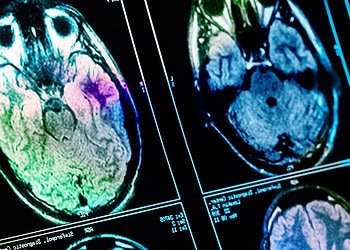
A neuroimaging study of torture survivors found that these individuals exhibit decreased connectivity in brain networks associated with response inhibition, attention, and motor function during a cognitive Go/No-Go task. This effect may be specifically linked to the dysphoria symptoms of posttraumatic stress disorder (PTSD). The research was published in Biological Psychiatry: Cognitive Neuroscience and Neuroimaging.
The United Nations defines torture as an act of state-sanctioned physical or psychological harm intentionally inflicted to obtain information, punish, intimidate, or discriminate. Torture is prohibited under international law. Despite this, many countries continue to practice torture. Approximately 20% of individuals affected by armed conflict have experienced torture.
A core aim of torture is to eradicate any sense of control in the victim. This profound loss of control over one’s life is a defining characteristic that differentiates experiences that are merely stressful from those that cause psychological trauma. Consequently, torture often leads to mental health conditions such as PTSD, depression, or anxiety. It can also cause significant changes in identity and produce numerous other psychological effects. Cognitive functioning is frequently affected as well, which can result in observable differences in brain functioning.
Study author Belinda J. Liddell and her colleagues sought to examine how exposure to torture is associated with neural network connectivity patterns during a cognitive Go/No-Go task. They conducted a neuroimaging study comparing a group of torture survivors to a group of individuals who had experienced trauma but were not tortured.
The study included 77 adults recruited from a torture trauma service in Sydney, Australia (NSW Service for the Treatment and Rehabilitation of Torture and Trauma Survivors, STARTTS) or through advertisements at refugee services. All participants were resettled in Australia.
Participants were first interviewed by a research psychologist. During these interviews, they completed several assessments of trauma exposure and PTSD symptoms. They also reported whether they had experienced torture. Overall, 33 participants were identified as torture survivors, while 44 had survived other types of traumatic events.
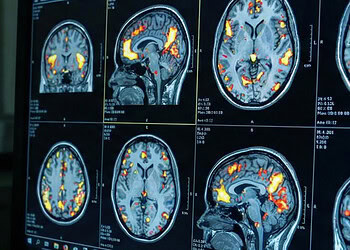
In the next phase of the study, participants completed a Go/No-Go task while undergoing functional magnetic resonance imaging (fMRI). A Go/No-Go task is a psychological test used to assess impulse control and response inhibition. Participants are required to respond to certain stimuli (Go) while withholding responses to others (No-Go). In this study, participants were instructed to respond to a white circle but refrain from responding to a white square.
The results indicated that participants were 95% accurate in the Go/No-Go task, suggesting that they were attentive. Torture survivors exhibited decreased connectivity compared to the other group in the posterior default mode network (specifically in the left precuneus region of the brain) and the auditory-motor network (in the right superior temporal gyrus region). Additionally, they showed reduced connectivity between the dorsomedial frontal network and the dorsal attentional network. During No-Go trials (when participants were supposed to refrain from reacting), the ventral attention network connectivity was lower in torture survivors.
The default mode network is active when a person is at rest but not sleeping. The auditory-motor network integrates auditory processing with motor control, facilitating activities like speech production, musical performance, and sound-based learning. The frontal network supports executive functions such as decision-making, planning, and working memory. The attentional networks regulate focus and the allocation of cognitive resources to relevant stimuli, enabling effective perception and response to environmental demands.
“Response inhibition, attention and motor networks appear less connected in torture survivors, which may be specifically linked to PTSD [posttraumatic stress disorder] dysphoria [a profound state of unease or dissatisfaction] symptom profiles. Findings suggest that targeting cognitive control processes may hold promise for alleviating post-traumatic symptoms amongst survivors of torture,” the study authors concluded.
The study sheds light on the neural changes associated with experiences of torture. However, it should be noted that the participants were effectively self-selected (i.e., volunteers) and that they were all refugees resettled in a country comparatively distant from the conflict zones they fled (e.g., Australia is over 5,000 kilometers from the nearest conflict zone). Studies on other groups of torture survivors may not yield identical results.
The study, “Torture Exposure Modulates Cognitive Control and Attention Neural Network Connectivity During a Go/Nogo Task,” was authored by Belinda J. Liddell, Pritha Das, Gin S. Malhi, Kim L. Felmingham, Mirjana Askovic, Angela Nickerson, Jorge Aroche, Mariano Coello, Tim Outhred, and Richard A. Bryant.