New research reveals multiple pathways through which poor organ health may contribute to poor mental health. Researchers propose that exercise, sedentary behavior, diet, sleep quality, smoking, alcohol intake, education, and socioeconomic status may influence mental health through their impact on specific organ physiology and brain structure. The paper was published in Nature Mental Health.
Depression and anxiety are two of the most common mental health conditions, often co-occurring and significantly affecting daily life. Depression is characterized by persistent feelings of sadness, hopelessness, and a lack of interest or pleasure in activities. Anxiety involves excessive worry, fear, and physical symptoms such as a racing heart or restlessness.
These mental health conditions are particularly prevalent in individuals with chronic physical health conditions. For example, in individuals with chronic illnesses such as coronary heart disease, respiratory disease, diabetes, musculoskeletal disorders, and cancer, the risk of developing depression and anxiety is several times higher than in those without such medical conditions.
Scientists have proposed that this increased risk may occur because of shared genetic factors underlying chronic physical illnesses and mental health disorders, as well as behavioral and lifestyle factors that heighten the risk of both categories of conditions.
Study author Ye Ella Tian and her colleagues sought to explore the association between the functioning of various organ systems in the body and mental health. They analyzed a subset of UK Biobank participants, comparing individuals with no major medical or mental health conditions to those diagnosed with schizophrenia, bipolar disorder, depression, and generalized anxiety disorder.
The UK Biobank is a large-scale biomedical database and research resource containing in-depth genetic, health, and lifestyle information from over 500,000 participants. It is designed to support research on the prevention, diagnosis, and treatment of a wide range of diseases and is accessible to researchers worldwide.
From this database, the researchers used data from 7,749 healthy individuals, as well as 67 individuals with schizophrenia, 592 with bipolar disorder, 9,817 with depression, and 2,041 with generalized anxiety disorder. Participants ranged in age from 40 to 70 years, with an average age of 54 years.
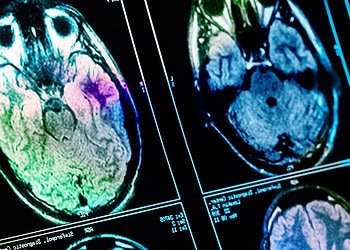
The researchers assessed the health of seven organ systems—cardiovascular, pulmonary, musculoskeletal, immune, renal, hepatic, and metabolic. They also utilized brain imaging data collected using magnetic resonance imaging 4 to 14 years after the assessment of organ health (when participants were aged 45 to 83). Additional assessments included depressive symptom severity (the Recent Depressive Symptoms Scale), neuroticism (the Eysenck scale), and symptoms of generalized anxiety disorder, which were measured at a separate time point.
Results showed that, for each of the seven organ systems, poorer organ health was associated with higher depressive symptoms, even after controlling for age and sex. Similarly, poorer organ health—except for renal and pulmonary health—was associated with higher anxiety symptoms and greater neuroticism.
The researchers proposed a statistical model suggesting that worse organ health leads to reduced gray matter volume in the brain, which in turn contributes to more severe symptoms of depression and anxiety. Results supported this link for the association between pulmonary system health and depression. A similar model suggested that reduced white matter volume in the brain mediated the relationship between cardiovascular system health and anxiety.
Additionally, the analysis indicated that poor physical and brain health might jointly mediate the relationship between lifestyle factors and depression. The model proposed that exercise, sedentary behavior, diet, sleep quality, smoking, alcohol intake, education, and socioeconomic status influence organ and brain health, which subsequently affect mental health. Results showed that this chain of relationships is plausible.
“Our work provides an integrated model linking physical health, neurobiology and mental health outcomes. Our findings suggest a crucial role of the brain in mediating the relationship between physical and mental health, which is an important step toward bridging the mind–body dualism,” the study authors concluded.
The study sheds light on the association between physical and mental health. However, it should be noted that the study design does not allow causal inferences to be drawn from the results. The models tested are statistical in nature, outlining possible causal pathways but not definitive ones.
The paper “Brain, lifestyle and environmental pathways linking physical and mental health” was authored by Ye Ella Tian, James H. Cole, Edward T. Bullmore, and Andrew Zalesky.