A new study published in The Journal of Physiology has shed light on the long-debated question of how physical exercise enhances cognitive performance. The study reveals that dopamine, a neurotransmitter and hormone often associated with pleasure and motivation, is a key player in this process. Notably, the research demonstrates that dopamine levels increase during exercise, correlating with faster reaction times, thus providing a clearer understanding of the brain’s response to physical activity.
For years, scientists have understood that regular physical activity positively impacts various cognitive functions. Previous research suggests that even a single session of low to moderate intensity exercise can sharpen mental performance, notably in reducing reaction time in cognitive tasks. The underlying physiological mechanisms, however, have remained somewhat elusive. Researchers have explored various factors, from neurochemicals to changes in cerebral blood flow, but a definitive answer to how exercise improves cognitive speed has been lacking.
Dopamine, a key neurotransmitter in the brain, has long been studied in the context of cognitive control and behavior. Altered dopamine levels are evident in various neurological and behavioral disorders, making it a focal point in understanding cognitive health. Intriguingly, acute physical activity has been shown to trigger dopamine release in the brain, correlating with improved cognitive performance. This relationship between exercise, dopamine release, and cognitive enhancement formed the basis for the current study.
“I have been curious about what is happening in the human brain during exercise and resultant performance changes. Improvement in cognitive performance (i.e. reduction in reaction time) during/after acute exercise is a typical example for this. However, mechanistic understanding is still unclear. Therefore, we tested the hypothesis that reduction in reaction time is linked to altered neuromodulation induced by acute exercise,” explained Soichi Ando, an associate professor in the Health & Sports Science Laboratory at the University of Electro-Communications in Japan.
The study involved a multi-experiment approach, employing neuroimaging and electrical muscle stimulation (EMS) techniques to dissect the role of dopamine in exercise-induced cognitive improvements.
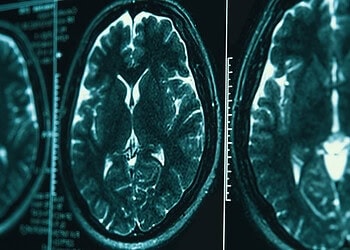
In the first experiment, 16 healthy male participants underwent a series of tests, including a submaximal exercise test and familiarization with a Go/No-Go task, a common method to evaluate cognitive performance and reaction time. Participants were then subjected to PET scans during both exercise and rest conditions.
The exercise involved cycling in a supine position at approximately 35% of their peak oxygen uptake for 40 minutes. The Go/No-Go task was completed before and after 25 minutes of exercise. In contrast, the control condition involved performing the cognitive task and PET scan at rest. The researchers used [11C]raclopride in the PET scans to assess dopamine release in the brain.
Results from this experiment showed a significant decrease in reaction time during exercise compared to rest. The PET scans revealed that acute exercise led to an increase in dopamine release. Interestingly, this dopamine release was correlated with improvements in reaction time.
The second experiment involved 18 healthy males who underwent electrical muscle stimulation (EMS) at different frequencies to induce muscle contractions without engaging central motor or cardiovascular command. This approach aimed to isolate the physiological changes resulting solely from muscle contraction during exercise.
Participants performed the same Go/No-Go task before and after the EMS. However, the results of this experiment showed that EMS alone, whether at 4 Hz or 20 Hz, did not affect reaction time or the accuracy of the cognitive task. This suggested that peripheral muscle contraction alone does not contribute to the observed improvement in reaction time.
“We wanted to remove voluntary muscle movement for part of the study, to see if the process in which acute exercise improves cognitive performance is present during manufactured exercise,” Ando said in a news release.
“But our results indicate that the exercise has to be from the central signals of the brain, and not just the muscle itself. This suggests that when we tell our central command to move our body during a workout, that’s the process which helps the dopamine release in the brain.”
In the third experiment, 22 participants engaged in EMS combined with moderate arm cranking, a form of voluntary exercise. The aim was to assess whether a combination of EMS and voluntary exercise could replicate the reaction time improvements seen in traditional exercise.
This experiment revealed that only the combination of EMS and moderate arm cranking improved reaction time. Neither EMS alone nor EMS combined with no-load arm cranking had an impact on reaction time. This indicates that central signals from the brain are necessary for the observed improvements in reaction time following exercise.
The study reinforces the understanding that dopamine is not just a neurotransmitter associated with pleasure and reward but also plays a crucial role in cognitive functions, particularly in improving reaction times.
“Even a single bout of exercise at relatively low intensity modulates the human brain,” Ando told PsyPost. “This may be a ground for cognitive health in response to regular exercise.”
“We know cardiovascular exercise improves cognitive performance, but the exact mechanisms behind this process have not been rigorously investigated in humans until now,” added Joe Costello from the University’s School of Sport, Health & Exercise Science. “Using novel brain imaging techniques, we were able to examine the role dopamine plays in boosting brain function during exercise, and the results are really promising.”
“Our current study suggests the hormone is an important neuromodulator for improved reaction time. These findings support growing evidence that exercise prescription is a viable therapy for a host of health conditions across the lifespan.”
The study’s limitations include the potential influence of exercise-induced changes in cerebral blood flow on the measurement of dopamine binding potential. Also, the timing of reaction time assessment varied between experiments, which might have affected the results.
“We cannot determine the causal relationship between endogenous dopamine release and reaction time improvement due to the correlational design,” Ando noted. “Furthermore, contributions of other neuromodulators (e.g., noradrenaline) remains to be elucidated.”
“This is the first study to demonstrate the association between endogenous dopamine release and cognitive performance in response to acute exercise. Additional studies are necessary to fully understand how acute exercise affects the human brain and behavioral performance.”
The study, “The neuromodulatory role of dopamine in improved reaction time by acute cardiovascular exercise“, was authored by Soichi Ando, Toshihiko Fujimoto, Mizuki Sudo, Shoichi Watanuki, Kotaro Hiraoka, Kazuko Takeda, Yoko Takagi, Daisuke Kitajima, Kodai Mochizuki, Koki Matsuura, Yuki Katagiri, Fairuz Mohd Nasir, Yuchen Lin, Mami Fujibayashi, Joseph T. Costello, Terry McMorris, Yoichi Ishikawa, Yoshihito Funaki, Shozo Furumoto, Hiroshi Watabe, and Manabu Tashiro.
(A previous version of this article was published January 16, 2024.)