Individuals with a better grasp of scientific reasoning are less likely to fall prey to false conspiracy theories about the COVID-19 pandemic, according to new research published in the Journal of Health Psychology.
“At the beginning of the COVID-19 pandemic there was too much uncertainty and confusion regarding the best measures to protect oneself against the coronavirus,” said study author Vladimira Cavojova of the Centre for Social and Psychological Sciences at the Slovak Academy of Sciences.
“Scientists became the center of attention and we hypothesized that people who understand the workings of science better would be better able to navigate the sea of conflicting information and resist pseudoscientific and unfounded beliefs.”
In the study, which was conducted about a week after the first confirmed case of COVID-19 in Slovakia, 783 participants were asked to indicate how much they agreed with various coronavirus conspiracy beliefs, such as “SARS-CoV-2 (coronavirus) is a biological weapon created to eliminate the overcrowded human population” and “COVID-19 (coronavirus) is only a fabrication, it is an ordinary flu which pharmaceutical companies rebranded to increase the sales of drugs.”
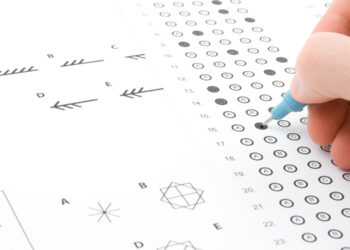
The participants also completed a test of scientific reasoning in which they were asked to respond to six true or false statements, including “The researchers want to find out how to increase natality. They ask for statistical information and see that there are more children born in cities that have more hospitals. This finding implies that building new hospitals will increase the birth rate of the population.”
In addition, the participants completed assessments of coronavirus knowledge, belief in unfounded health-related claims, general analytic thinking, anti-vaccination attitudes, and preventive behavior.
The researchers found that those who strongly endorsed the coronavirus conspiracy beliefs tended to score low on the test of scientific reasoning. Belief in coronavirus conspiracy theories, in turn, was associated with a reduce willingness to receive a COVID-19 vaccine.
Participants with low scores on the scientific reasoning test were also more likely to endorse unfounded general health-related beliefs and anti-vaccination attitudes. The findings are in line with previous research, which has found “that people who have one kind of epistemically suspect belief tend to have other kinds of such beliefs as well,” the researchers said.
“The most important finding is that although scientific reasoning helps people to distinguish between reasonable assumptions backed by evidence and unfounded beliefs, when crises, such as pandemics, occur it may be too late to foster scientific reasoning — people rely on any prior beliefs and attitudes in interpreting new evidence, and those who are more prone to unfounded beliefs will be more vulnerable to any misinformation that occurs,” Cavojova told PsyPost.
“Scientific reasoning is just one piece of a puzzle in the understanding of how people make sense of the world during the turbulent times,” she added. “When people’s feelings get the best of them, they respond intuitively and emotionally, which makes the use of scientific reasoning even harder.”
“Therefore, it is necessary to look for the effective ways that would help people to postpone the quick intuitive responses (e.g. rapid spread of pseudoscientific disinformation) and to engage in more effortful processing that would allow them to make more informed judgements.”
In their current study, the researchers found no evidence that scientific reasoning was associated with preventive behaviors, such as social distancing. But additional research suggests this might be due to the timing of the study.
“This study took place at the beginning of the COVID-19 pandemic in Slovakia. In a later study that we conducted in November during the rising second wave (we are currently in the process of writing up the findings of that research), we found out that lower scientific reasoning was also related to reluctance to follow the government-recommended regulations,” Cavojova explained.
The study, “How scientific reasoning correlates with health-related beliefs and behaviors during the COVID-19 pandemic?“, was authored by Vladimira Cavojova, Jakub Srol, and Eva Ballova Mikuskova.