![[Adobe Stock]](https://sp-ao.shortpixel.ai/client/to_webp,q_glossy,ret_img,w_750,h_375/https://www.psypost.org/wp-content/uploads/2025/08/priest-750x375.jpg)
A study involving psychedelic-naïve clergy from various major world religions found that six months after undergoing two psilocybin-assisted sessions, participants reported a number of positive changes in their religious practices, attitudes toward their faith, and perceived effectiveness as religious leaders. They also showed improvements in mood, general attitudes, and behavior compared to a control group that had not yet received the drug at the time of comparison. The paper was published in Psychedelic Medicine.
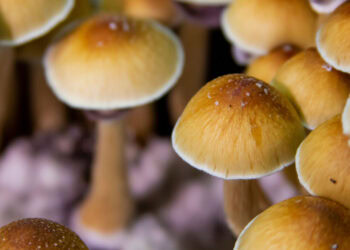
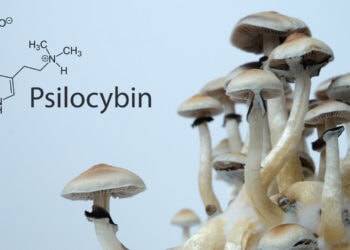
Psilocybin is a naturally occurring psychedelic compound found in certain species of mushrooms, commonly referred to as “magic mushrooms.” Once ingested, psilocybin is converted in the body to psilocin, which interacts with serotonin receptors in the brain, particularly the 5-HT2A receptor. This interaction can lead to altered perception, vivid visual and auditory hallucinations, changes in thought patterns, and a distorted sense of time.
Many users describe psilocybin experiences as deeply emotional or spiritual, although the effects can vary significantly depending on the dose, mindset, and environment. Traditionally, psilocybin has been used in Indigenous rituals for healing and spiritual insight. In recent years, scientific research has shown promising results for its use in treating conditions such as depression, anxiety, post-traumatic stress disorder, and addiction.
Clinical trials suggest that even a single guided psilocybin session, combined with psychotherapy, can produce long-lasting improvements in mood and well-being. Despite its potential, psilocybin remains a controlled substance in many countries, although legal restrictions are gradually being reconsidered. Its use is not without risks—side effects can include nausea, confusion, anxiety, and, in rare cases, temporary psychosis or panic reactions.
Study author Roland R. Griffiths and his colleagues sought to explore the acute and long-term effects of psilocybin on clergy. While psychedelics continue to be used in some Indigenous religious contexts, they are generally not incorporated into the practices of major world religions (e.g., Christianity, Islam, Buddhism, Hinduism, Judaism). As a result, little is known about how members of the clergy would interpret psychedelic experiences.
The study included 33 individuals holding recognized leadership positions within established religious organizations. Eligible participants were required to spend substantial time providing spiritual or religious guidance, to have undergone formal training and ordination (or its equivalent), and to be regarded by fellow believers as clear representatives of their religious tradition.
Most participants were from the New York and Baltimore areas. The researchers recruited them through online announcements, advertisements, newsletters, and print notices, which described the study as an opportunity for clergy to participate in research on “psilocybin and sacred experiences.”
Participants were randomly assigned to one of two groups, balanced for gender and age (with equal proportions of individuals above and below 55 years of age). One group received two psilocybin sessions shortly after enrolling in the study, while the other group completed the same sessions six months later.
In the first session, participants received a moderately high dose of psilocybin (20 mg per 70 kg of body weight). Each session lasted eight hours and took place in a living-room-like setting with two facilitators present to provide support. Depending on each individual’s experience in the first session, the second session included a dose increase to 30 mg per 70 kg for some participants. The two sessions were spaced one week apart.
Six months after the start of the study, both groups completed a questionnaire assessing experiences and changes in attitudes, mood, and behavior over the previous five months. This meant that one group completed the questionnaire months after their psilocybin experience, while the other completed it before receiving psilocybin. Both groups also completed follow-up assessments four and twelve months after their second session.
Additional measures included assessments of the acute effects of psilocybin (seven hours after ingestion), mystical experiences (using the States of Consciousness Questionnaire and the Mysticism Scale), psychologically difficult experiences (using the Challenging Experience Questionnaire), and persisting effects (using the Retrospective Psilocybin Session and Persisting Effects Questionnaire), along with several other instruments.
Results indicated that participants who received psilocybin reported significantly greater positive changes in religious practices, religious attitudes, and effectiveness as religious leaders, compared to those who had not yet undergone the sessions. They also reported improvements in mood, behavior, and general (non-religious) attitudes.
Follow-up assessments revealed that these improvements were largely sustained 16 months later. At that time, a majority of participants rated at least one of their psilocybin sessions as among the top five most spiritually significant (96%), profoundly sacred (92%), psychologically insightful (83%), and psychologically meaningful (79%) experiences of their lives.
“In this population of clergy, psilocybin administration was safe and increased multiple domains of overall psychological well-being including positive changes in religious attitudes and behavior as well as their vocation as a religious leader. The study was limited by a waitlist control design, homogenous sample, and the use of some unvalidated outcome measures,” the study authors concluded.
The study contributes to the scientific understanding of the effects of psilocybin on clergy. However, it should be noted that all the outcome measures were self-reports, while participants were fully aware of what the topic of the study is and what researcher’s likely expectations are. This means that the outcomes could have been the result of the Hawthorne effect, the phenomenon where individuals alter their behavior because they know they are being observed and what the expectations of observers are.
The paper “Effects of Psilocybin on Religious and Spiritual Attitudes and Behaviors in Clergy from Various Major World Religions” was authored by Roland R. Griffiths, Robert Jesse, William A. Richards, Matthew W. Johnson, Nathan D. Sepeda, Anthony P. Bossis, and Stephen Ross.