Subscribe
The latest psychology and neuroscience discoveries.
My Account
  • Mental Health
  • Social Psychology
  • Cognitive Science
  • Neuroscience
  • About
No Result
View All Result
PsyPost
PsyPost
No Result
View All Result
Home Exclusive Mental Health

Wii Balance Board induces changes in the brains of MS patients

by Radiological Society of North America
August 26, 2014
in Mental Health
Share on TwitterShare on Facebook

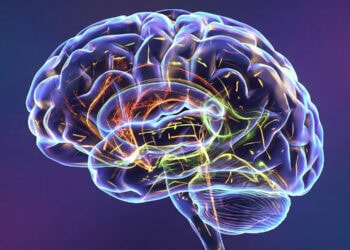
A balance board accessory for a popular video game console can help people with multiple sclerosis (MS) reduce their risk of accidental falls, according to new research published online in the journal Radiology. Magnetic resonance imaging (MRI) scans showed that use of the Nintendo Wii Balance Board system appears to induce favorable changes in brain connections associated with balance and movement.

Balance impairment is one of the most common and disabling symptoms of MS, a disease of the central nervous system in which the body’s immune system attacks the protective sheath around nerve fibers. Physical rehabilitation is often used to preserve balance, and one of the more promising new tools is the Wii Balance Board System, a battery-powered device about the size and shape of a bathroom scale. Users stand on the board and shift their weight as they follow the action on the television screen during games like slalom skiing.

While Wii balance board rehabilitation has been reported as effective in patients with MS, little is known about the underlying physiological basis for any improvements in balance.

Researchers recently used an MRI technique called diffusion tensor imaging (DTI) to study changes in the brains of 27 MS patients who underwent a 12-week intervention using Wii balance board-based visual feedback training. DTI is a non-conventional MRI technique that allows detailed analysis of the white matter tracts that transmit nervous signals through the brain and body.

MRI scans of the MS patients showed significant effects in nerve tracts that are important in balance and movement. The changes seen on MRI correlated with improvements in balance as measured by an assessment technique called posturography.

These brain changes in MS patients are likely a manifestation of neural plasticity, or the ability of the brain to adapt and form new connections throughout life, according to lead author Luca Prosperini, M.D., Ph.D., from Sapienza University in Rome, Italy.

“The most important finding in this study is that a task-oriented and repetitive training aimed at managing a specific symptom is highly effective and induces brain plasticity,” he said. “More specifically, the improvements promoted by the Wii balance board can reduce the risk of accidental falls in patients with MS, thereby reducing the risk of fall-related comorbidities like trauma and fractures.”

Dr. Prosperini noted that similar plasticity has been described in persons who play video games, but the exact mechanisms behind the phenomenon are still unknown. He hypothesized that changes can occur at the cellular level within the brain and may be related to myelination, the process of building the protective sheath around the nerves.

Google News Preferences Add PsyPost to your preferred sources

The rehabilitation-induced improvements did not persist after the patients discontinued the training protocol, Dr. Prosperini said, most likely because certain skills related to structural changes to the brain after an injury need to be maintained through training.

“This finding should have an important impact on the rehabilitation process of patients, suggesting that they need ongoing exercises to maintain good performance in daily living activities,” Dr. Prosperini said.

Previous Post

Study finds less domestic violence among married couples who smoke marijuana

Next Post

Eye implant developed at Stanford could lead to better glaucoma treatments

RELATED

What is the difference between ADD and ADHD? A look at psychiatric history
ADHD Research News

What is the difference between ADD and ADHD? A look at psychiatric history

March 11, 2026
Gut-brain connection: Proinflammatory bacteria linked to hippocampal changes in depression
Anxiety

Undigested fruit sugar is linked to increased anxiety and inflammation

March 11, 2026
Moderate coffee consumption during pregnancy unlikely to cause ADHD in children
Anxiety

Two to three cups of coffee a day may protect your mental health

March 11, 2026
Researchers identify two psychological traits that predict conspiracy theory belief
Cognitive Science

The hidden brain benefit of getting in shape that scientists just discovered

March 11, 2026
RNA viruses affecting the human brain and mental health, highlighting the impact of viruses on neurological and psychological well-being.
COVID-19

How viral infections disrupt memory and thinking skills

March 10, 2026
New psychology research uncovers surprisingly consistent misjudgments of tattooed individuals
Mental Health

Women with tattoos feel more attractive but experience the same body anxieties in the bedroom

March 9, 2026
Misophonia is strongly linked to a higher risk of mental health and auditory disorders
Mental Health

Misophonia is strongly linked to a higher risk of mental health and auditory disorders

March 9, 2026
Science has uncovered the role of light in mood changes and mental disorders
Mental Health

Massive global study links the habit of forgiving others to better overall well-being

March 9, 2026

STAY CONNECTED

LATEST

Texas migrant buses boosted Donald Trump’s vote share in targeted cities

Genetic tendency for impulsivity is linked to lower education and earlier parenthood

The bystander effect applies to virtual agents, new psychology research shows

The orgasm face decoded: The intriguing science of sexual climax

Undigested fruit sugar is linked to increased anxiety and inflammation

Early puberty provides a biological link between childhood economic disadvantage and teenage emotional struggles in girls

People with “dark” personality traits see the world as fundamentally meaningless

Two to three cups of coffee a day may protect your mental health

PsyPost is a psychology and neuroscience news website dedicated to reporting the latest research on human behavior, cognition, and society. (READ MORE...)

  • Mental Health
  • Neuroimaging
  • Personality Psychology
  • Social Psychology
  • Artificial Intelligence
  • Cognitive Science
  • Psychopharmacology
  • Contact us
  • Disclaimer
  • Privacy policy
  • Terms and conditions
  • Do not sell my personal information

(c) PsyPost Media Inc

Welcome Back!

Login to your account below

Forgotten Password?

Retrieve your password

Please enter your username or email address to reset your password.

Log In

Add New Playlist

Subscribe
  • My Account
  • Cognitive Science Research
  • Mental Health Research
  • Social Psychology Research
  • Drug Research
  • Relationship Research
  • About PsyPost
  • Contact
  • Privacy Policy

(c) PsyPost Media Inc