PsyPost
  • Mental Health
  • Social Psychology
  • Cognitive Science
  • Neuroscience
  • About
No Result
View All Result
Join
My Account
PsyPost
No Result
View All Result
Home Exclusive Psychopharmacology Cannabis

Effects of cannabis edibles can vary greatly based on small differences in THC dose

by Eric W. Dolan
June 6, 2020
Reading Time: 2 mins read
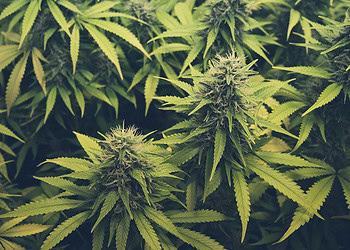
(Image by Eugenio Cuppone from Pixabay)

(Image by Eugenio Cuppone from Pixabay)

Share on TwitterShare on Facebook

New research sheds light on the pharmacodynamic effects of cannabis-infused food. The findings, which appear in Drug and Alcohol Dependence, indicate that relatively small differences in doses can result in large differences in effects among infrequent cannabis users.

“There have been very few controlled studies done in which cannabis edibles were administered, and most did not explore multiple doses,” said study author Ryan Vandrey, an associate professor of psychiatry and behavioral sciences at Johns Hopkins University.

“Thus, we felt this was an important study to determine the effects of a range of doses in healthy adults to ascertain the safety of edible cannabis products available in retail stores in many places. Another important component of this study was to determine the effect of these single acute doses on drug-testing outcomes.”

In the double-blind study, 17 seventeen healthy adults who had not used cannabis for at least 60 days participated in four experimental sessions scheduled a minimum of one week apart. During each session, they consumed a cannabis-infused brownie that contained either 0, 10, 25, or 50 mg of THC — and then completed various physiological and psychological assessments over the course of the next 9 hours.

The 10 mg dose was not associated with any cognitive impairments. But the 25 and 50 mg doses produced moderate to severe impairments in attention, psychomotor performance, and working memory.

“The effects of ingesting THC-containing food products can vary greatly based on relatively small differences in total dose. Most participants tolerated the 10 mg THC dose well, but many participants reported adverse effects and exhibited impairment on cognitive tests after doses of 25 mg or 50 mg THC,” Vandrey told PsyPost.

“Drug effects occurred much later and lasted longer compared with when cannabis is smoked. Peak drug effects were observed from 1.5 to 3 hours after dosing and lasted 5-8 hours. Also, though the 25 mg and 50 mg doses produced robust impairment, blood THC testing indicated that our participants were below the threshold cut-off commonly used by law enforcement to identify individuals driving under the influence of cannabis.”

The study — like all research — includes some limitations.

Google News Preferences Add PsyPost to your preferred sources

“There is so much more research to be done in this area. We need studies of additional doses, cannabis infused into other types of food and beverage formulations, cannabis that varies systematically with respect to chemical composition (e.g. amount of THC, CBD, and other chemical contents of the cannabis plant), repeat dosing studies, and studies with different participant demographics,” Vandrey said.

The study, “Pharmacodynamic dose effects of oral cannabis ingestion in healthy adults who infrequently use cannabis“, was authored by Nicolas J. Schlienz, Tory R. Spindle, Edward J. Cone, Evan S. Herrmann, George E. Bigelow, John M. Mitchell, Ronald Flegel, Charles LoDico, and Ryan Vandrey.

(Image by Eugenio Cuppone from Pixabay)

RELATED

New research sheds light on cannabinoids’ impact on anxiety during alcohol withdrawal
Addiction

Lesser-known cannabis compounds show promise for treating alcohol addiction in rats

May 31, 2026
New psychology research flips the script on happiness and self-control
Cannabis

How a dose of medicinal cannabis alters brain waves during sleep

May 30, 2026
Cannabis and alcohol use patterns linked to couples’ relationship quality
Cannabis

New study reveals distinct differences in how different drugs relate to criminal behavior

May 17, 2026
People with cannabis use disorder are more likely to be depressed, study finds
Cannabis

People with cannabis use disorder are more likely to be depressed, study finds

May 5, 2026
Gold digging is strongly linked to psychopathy and dark personality traits, study finds
Addiction

Mental health risks of cannabis addiction depend heavily on age

April 30, 2026
People with cannabis disorder do not seem to pay increased attention to pictures of cannabis
Cannabis

People with cannabis disorder do not seem to pay increased attention to pictures of cannabis

April 21, 2026
Cannabis compound shows initial promise in reducing sleep disturbances
Cannabis

Cannabinoid use is linked to both pro- and anti-inflammatory effects, massive review finds

April 16, 2026
Hemp-derived cannabigerol shows promise in reducing anxiety — and maybe even improving memory
Cannabis

Scientists uncover the neurological mechanisms behind cannabis-induced “munchies”

April 10, 2026

Follow PsyPost

The latest research, however you prefer to read it.

Daily newsletter

One email a day. The newest research, nothing else.

Google News

Get PsyPost stories in your Google News feed.

Add PsyPost to Google News
RSS feed

Use your favorite reader. We also syndicate to Apple News.

Copy RSS URL
Social media
Support independent science journalism

Ad-free reading, full archives, and weekly deep dives for members.

Become a member

Trending

  • Visual experience physically shapes the brain’s feedback loops
  • Scientists have found a geospatial link between soil fertility and national intelligence scores
  • Scientists discover how coffee interacts with the gut microbiome to affect the human brain
  • Growing up in a disadvantaged neighborhood is associated with faster brain maturation
  • New study suggests the brain applies different standards of beauty to paintings and architecture

Science of Money

  • Why winning makes some gamblers bet bigger: the psychological traits behind the “house money” effect
  • Why people think bankers are greedier than students (and why they may be wrong)
  • Does a rising tide lift all boats? Only with the right institutions, study finds
  • Class isn’t dead: Your job title still predicts your wealth in Europe, a five-country study finds
  • Packing products tightly on shelves makes shoppers grab more flavors

PsyPost is a psychology and neuroscience news website dedicated to reporting the latest research on human behavior, cognition, and society. (READ MORE...)

  • Mental Health
  • Neuroimaging
  • Personality Psychology
  • Social Psychology
  • Artificial Intelligence
  • Cognitive Science
  • Psychopharmacology
  • Contact us
  • Disclaimer
  • Privacy policy
  • Terms and conditions
  • Do not sell my personal information

(c) PsyPost Media Inc

Welcome Back!

Login to your account below

Forgotten Password?

Retrieve your password

Please enter your username or email address to reset your password.

Log In

Add New Playlist

Subscribe
  • My Account
  • Cognitive Science Research
  • Mental Health Research
  • Social Psychology Research
  • Drug Research
  • Relationship Research
  • About PsyPost
  • Contact
  • Privacy Policy

(c) PsyPost Media Inc