PsyPost
  • Mental Health
  • Social Psychology
  • Cognitive Science
  • Neuroscience
  • About
No Result
View All Result
Join
My Account
PsyPost
No Result
View All Result
Home Exclusive Mental Health

Sharing selfies on Instagram might influence a person’s happiness with life, study suggests

by Jocelyn Solis-Moreira
July 15, 2020
Reading Time: 2 mins read
Share on TwitterShare on Facebook

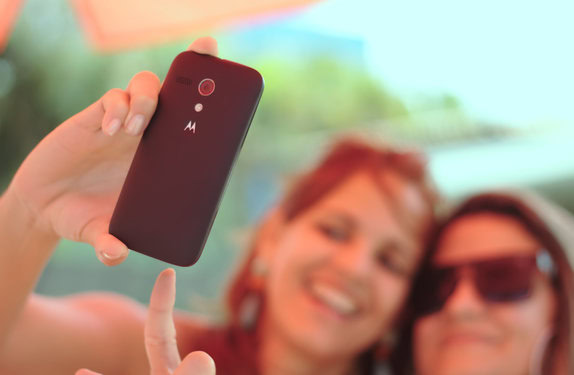
A new study found that people who actively share selfies on Instagram may have a higher satisfaction with life. The findings, published in Human Behavior and Emerging Technologies, correlated people’s happiness with receiving immediate social rewards such as likes and positive comments.

“Social media technology has become a key influencer of psychological aspects of human emotions, such as well-being… Past research has revealed mixed findings relating to the relationship between the use of [Social Networking Sites] and well-being,” said author Julie Maclean and colleagues.

The study advertised a survey on several social media platforms, which asked questions such as photo-sharing history on Instagram and the user’s overall well-being. In this study, well-being was defined as how much a person believes they are happy with their life.

Overall, 373 responses were collected from users who actively share photos on Instagram; 22.6% of responses were from men and 77.1% were from women. One person declined to provide gender information. About 73% of respondents were younger than 25-years-old, which the authors said aligned with Instagram’s user demographics.

Results showed a positive link between the number of selfies shared online and a person’s well-being. This association was not seen in pictures that were anything but the user’s face. Greater life satisfaction was also seen in people who received positive social rewards such as likes and positive comments on their selfies. In addition, happiness was linked to a selfie that had received a lot of likes and positive comments.

Well-being did not decline when a person’s photo had negative comments and/or few likes. Based on the results, the authors conclude that positive and negative social rewards influence a person’s well-being differently.

The authors acknowledged several study limitations. Responses were collected only from users who actively shared photos. This excluded video-sharing users or users who passively post photos. Additionally, photo-sharing history was self-reported, which could have led some users to incorrectly recall information. Despite the limitations, the authors suggest that the data could help improve future developments for social media platforms.

“Future [Social Networking Sites] technology enhancements should leverage the social rewards concept to allow increased levels of online interactions from photo sharing, particularly in relation to sharing photos of oneself, which seem to correlate with the highest levels of social rewards.”

Google News Preferences Add PsyPost to your preferred sources

The study “Instagram photo sharing and its relationships with social rewards and well-being”, was authored by Julie Maclean, Yeslam Al-Saggaf, and Rachel Hogg.

(Image by Luis Wilker Perelo WilkerNet from Pixabay)

TweetSendScanShareSendPinShareShareShareShareShare

Follow PsyPost

The latest research, however you prefer to read it.

Daily newsletter

One email a day. The newest research, nothing else.

Google News

Get PsyPost stories in your Google News feed.

Add PsyPost to Google News
RSS feed

Use your favorite reader.

Copy RSS URL
Social media
Support independent science journalism

Ad-free reading, full archives, and weekly deep dives for members.

Become a member

Trending

  • How attention deficit hyperactivity disorder shapes sexual experiences
  • Adolescents report low regret and high satisfaction following gender-affirming chest surgery
  • Genetic risk for schizophrenia and bipolar disorder is linked to specific types of intelligence
  • Short-term SSRI use alters brain connectivity in anxious individuals in unexpected ways
  • How the stories we tell about ourselves reveal hidden personality disorders

Science of Money

  • What Chinese beauty influencers reveal about the limits of the Silicon Valley playbook
  • Does getting older make us better with money? It depends on your income
  • What three “dark” personality traits reveal about how people handle money
  • The hidden cost of a mansion tax: How Los Angeles may be losing much of what it collects
  • When doing good becomes a cost: India’s CSR mandate and the hidden hit to stock returns

Recent

  • How monogamous and polyamorous individuals envision multiple romantic partners
  • Researchers identify a simple way to soften deep political divides
  • Researchers discover preventative immune benefits of a little-known psychedelic compound
  • Blood markers reveal two separate inflammatory pathways driving Alzheimer’s disease
  • Poor emotional regulation in anxious kids is linked to greater family accommodation
  • Brain stimulation helps socially anxious individuals control avoidance behaviors
  • Mystical experiences don’t explain the success of MDMA-assisted therapy for PTSD
  • Why some young people stick with social causes while others fade away
  • Nut consumption is associated with sharper thinking skills and post-stroke brain health markers
  • How attention deficit hyperactivity disorder shapes sexual experiences

PsyPost is a psychology and neuroscience news website dedicated to reporting the latest research on human behavior, cognition, and society. (READ MORE...)

  • Mental Health
  • Neuroimaging
  • Personality Psychology
  • Social Psychology
  • Artificial Intelligence
  • Cognitive Science
  • Psychopharmacology
  • Contact us
  • Disclaimer
  • Privacy policy
  • Terms and conditions

(c) PsyPost Media Inc

Welcome Back!

Login to your account below

Forgotten Password?

Retrieve your password

Please enter your username or email address to reset your password.

Log In

Add New Playlist

Subscribe
  • My Account
  • Cognitive Science Research
  • Mental Health Research
  • Social Psychology Research
  • Drug Research
  • Relationship Research
  • About PsyPost
  • Contact
  • Privacy Policy

(c) PsyPost Media Inc