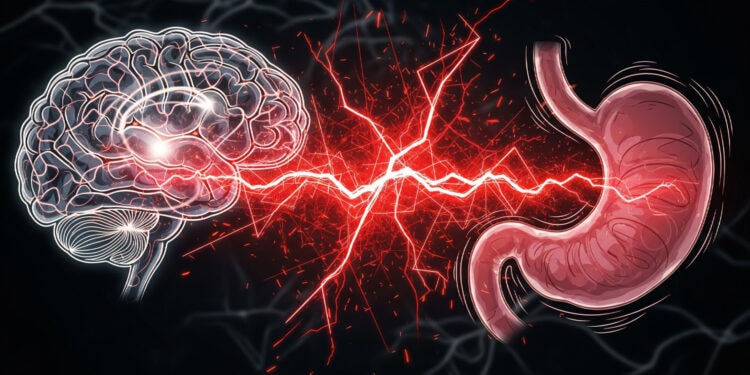

A new comprehensive analysis reveals that chronic consumption of fat-rich foods triggers a specific chemical imbalance that disrupts communication between the digestive system and the brain. Published in Nutritional Neuroscience, the study details how these dietary habits elevate serotonin levels in the gut while paradoxically depleting this vital chemical in brain regions responsible for mood and memory. This biological disconnection provides a potential explanation for the link between obesity, depression, and cognitive decline.
Serotonin functions as a chemical messenger with distinct roles depending on its location in the body. Roughly ninety-five percent of this molecule resides in the gastrointestinal tract, where it manages digestion and blood flow. The remaining small fraction operates within the central nervous system to regulate appetite, emotions, and learning. These two systems maintain a constant dialogue through a network known as the gut-brain axis.
The researchers sought to understand the specific biological pathways that degrade this communication during periods of poor nutrition. While previous observations linked greasy foods to health issues, the molecular steps connecting what we eat to how we feel remained unclear.
To clarify these mechanisms, a team led by Taylor Gray and Jian Han at North Carolina Agricultural and Technical State University collaborated with researchers from Brown University and Cornell University. They examined a wide breadth of existing literature to map the chemical trajectory of serotonin under dietary stress.
The investigation begins in the digestive tract, where specialized cells called enterochromaffin cells manufacture the vast majority of the body’s serotonin. The researchers report that a high-fat diet forces these cells to overproduce the chemical. This occurs because the diet stimulates the enzymes responsible for initiating synthesis.
Simultaneously, the cellular machinery designed to recycle serotonin malfunctions. Under normal circumstances, a transporter protein acts like a vacuum to clear used serotonin from the system. The study indicates that fatty foods suppress the production of this transporter. This double blow of increased production and decreased cleanup causes serotonin to accumulate rapidly in the gut.
This local surplus creates a toxic environment in the digestive system. The review explains that excess serotonin stimulates immune cells to release inflammatory signals. It also compromises the lining of the intestines. This loss of integrity leads to permeability issues often described as a “leaky gut,” allowing harmful substances to enter the bloodstream.
While the gut is flooded with serotonin, the situation in the brain presents a stark and problematic contrast. The authors detail how fatty foods deprive the hippocampus of necessary serotonin. This brain region governs memory formation and emotional stability.
The depletion in the hippocampus occurs through a different mechanism than in the gut. A high-fat diet appears to accelerate the activity of an enzyme called monoamine oxidase A. This enzyme acts as a waste disposal unit that breaks down neurotransmitters. When it becomes overactive, it destroys serotonin before the brain can utilize it for stabilizing mood or encoding memories.
Similar shortages appear in the hypothalamus, the brain’s control center for hunger and metabolism. Under normal conditions, serotonin helps signal when the body is full. The review explains that a high-fat diet disrupts the receptors that receive these satiety signals.
The study highlights that specific receptors in the hypothalamus, particularly the 5-HT1A subtype, become more abundant but less effective in their signaling roles. This alteration dampens the cellular pathways usually activated by serotonin. The result is a weakened ability to regulate energy balance and interpret fullness. This chemical blockage creates a cycle of overeating and metabolic dysfunction.
One of the most complex findings involves the raphe nuclei, a cluster of neurons that acts as the brain’s primary serotonin factory. The researchers found that a high-fat diet actually increases the capacity for serotonin synthesis in this specific area. This finding would seem to contradict the low levels found elsewhere in the brain.
However, the authors describe a “bottleneck” effect that negates this increased production. The diet triggers autoreceptors on the surface of these neurons that act like a shut-off valve. When these sensors detect the rising serotonin production locally, they inhibit the neurons from firing.
This inhibition prevents the release of serotonin to downstream targets. Consequently, even though the raphe nuclei are producing plenty of serotonin, the delivery trucks are effectively blocked from leaving the warehouse. This results in the observed deficits in the hippocampus and hypothalamus.
The authors identify the gut microbiome as the likely mediator of this widespread dysfunction. Healthy bacteria ferment dietary fiber to produce short-chain fatty acids. These fatty acids usually protect the brain and help regulate the enzymes involved in serotonin production.
A diet rich in fat typically lacks fiber, which starves these beneficial bacteria. The subsequent drop in short-chain fatty acids removes a critical layer of neuroprotection. The study notes that acetate and butyrate, two specific fatty acids, are essential for maintaining the proper sensitivity of serotonin receptors.
The loss of beneficial bacteria also contributes to systemic inflammation. The bacterial imbalance triggers an immune response that releases molecules called cytokines. These inflammatory messengers travel through the blood and can penetrate the protective barrier of the brain.
Once inside the central nervous system, cytokines hijack the chemical assembly line that typically produces serotonin. They activate an enzyme that diverts tryptophan, the raw material for serotonin, down a different metabolic path. Instead of creating the mood-regulating chemical, the brain is forced to produce compounds that can damage neurons.
This process, known as the kynurenine pathway, further depletes the available resources for serotonin synthesis. The combination of diverted raw materials and blocked release pathways creates a profound deficit in central serotonin. This deficit manifests as the behavioral and cognitive issues often associated with poor diet and obesity.
The study also points to hormonal disruptions that exacerbate this cycle. Hormones such as leptin and ghrelin normally work in concert with serotonin to manage appetite. A high-fat diet alters the levels of these hormones, creating a feedback loop that further suppresses serotonin signaling.
Cortisol, the body’s primary stress hormone, also plays a significant role in this cascade. The researchers note that high-fat diets elevate circulating cortisol levels. This hormone can cross into the brain and directly increase the activity of the enzymes that break down serotonin.
The cumulative effect of these changes is a system where the gut is inflamed and overactive, while the brain is starved of chemical regulation. The authors suggest that this imbalance is not merely a symptom of obesity but a driving factor in its persistence. The loss of serotonin-mediated satiety control makes it increasingly difficult to stop overeating.
Simultaneously, the reduction in hippocampal serotonin compromises mental resilience. This leaves the individual more vulnerable to stress and depression. These emotional states often drive further comfort eating, reinforcing the dietary habits that cause the damage.
The authors note that much of the current understanding relies on data from rodent models. While these animal studies provide essential insights into molecular pathways, human biology may respond with variations. Future clinical research must verify if these specific receptor changes occur identically in people.
The review suggests that restoring balance to the gut microbiome offers a promising avenue for treatment. Replenishing short-chain fatty acids could potentially bypass the damage caused by dietary fat. Strategies to reduce inflammation might also help unlock the “bottleneck” in the raphe nuclei.
The researchers emphasize that understanding these specific pathways is the first step toward new therapies. By mapping the precise receptors and enzymes involved, scientists can develop targeted interventions. These treatments could eventually help manage the mood disorders and cognitive impairments that frequently accompany metabolic disease.
The study, “Exploring the impact of a high-fat diet on the serotonin signaling in gut-brain axis,” was authored by Taylor Gray, Yewande O. Fasina, Scott H. Harrison, Evelyn M. Chang, Alex Y. Chang, Antoinette Maldonado-Devincci and Jian Han.