![[Adobe Stock]](https://sp-ao.shortpixel.ai/client/to_webp,q_glossy,ret_img,w_750,h_375/https://www.psypost.org/wp-content/uploads/2024/12/teen-boy-eating-snack-food-750x375.jpg)
New research has found that 16-to-20-year-olds with ADHD tend to consume more snacks (e.g., dried snacks, chips, nuts, soft drinks, fruit juice, and energy drinks) than their peers without this disorder. The paper was published in the Journal of Attention Disorders.
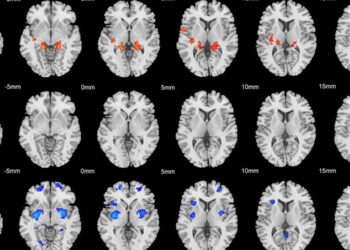
Attention deficit hyperactivity disorder (ADHD) is a neurodevelopmental condition characterized by persistent patterns of inattention, hyperactivity, and impulsivity that interfere with daily functioning or development. Symptoms of inattention include difficulty sustaining focus, being easily distracted, and forgetting tasks, while hyperactivity-impulsivity involves excessive movement, difficulty staying still, or interrupting others. ADHD typically begins in childhood and can persist into adulthood, often adversely affecting academic, occupational, and social functioning.
Some studies have explored the links between ADHD symptoms and diet, but the results have remained unclear. These inquiries have suggested that a healthy dietary pattern might be associated with a decreased risk of ADHD. On the other hand, unhealthy dietary patterns, such as those represented by the Western diet, were associated with an increased risk. The Western diet is characterized by high consumption of processed and refined foods, added sugars, unhealthy fats, and red meat, combined with low intake of fruits, vegetables, whole grains, and healthy fats.
Study author Laura Dalnoki and her colleagues sought to examine the association between ADHD and dietary behavior in Dutch adolescents aged 16 to 20 years. They did not start with any specific hypothesis, opting instead to explore the relationship.
The researchers analyzed data from the KOALA Birth Cohort Study in the Netherlands. This study recruited healthy pregnant women with a conventional lifestyle from an ongoing study on pregnancy-related pelvic girdle pain between 2000 and 2002. Data for the current study were collected in 2021 from their children, who were 16 to 20 years old at the time. In total, the analysis was based on data from 810 adolescent-parent pairs.
The adolescents completed an assessment of dietary behavior (a 28-item list of foods and beverages; participants indicated how often they consumed each item) and reported whether they had ever received a diagnosis of ADHD. Their parents completed assessments of their children’s behavioral problems (using the Conners’ Parent Rating Scale – Revised Short Form, which allowed researchers to assess the severity of ADHD symptoms) and impulsivity (using the Temperament in Middle Childhood Questionnaire).
The results showed that participants’ dietary intake could be categorized into five groups: snacks (high intake of soft drinks, fruit juice, dried snacks, chips, nuts or snacks, and energy drinks); healthy (lettuce, raw vegetables, fruit, eggs, and tea); animal-based (dairy products, meat and chicken, and fish); sweet (pastries, chocolate bars, candy bars, cake or biscuits, and sweets); and beverages (diet soft drinks, light fruit juices/drinks, sports drinks, and energy drinks).
In total, 80 participants were diagnosed with ADHD. These individuals reported consuming food and drink items from the snacks group more often than their peers without ADHD. Higher scores on ADHD symptom severity assessments were associated with more frequent consumption of food and drink items from the snacks category.
Participants who scored higher on impulsivity (as reported by their parents during their middle childhood) tended to consume items from the sweet group less often and items from the beverage group more often.
“The current study found that impulsivity, rather than ADHD itself, exhibited the most robust link with dietary behavior among adolescents, notably through its association with increased snack consumption. Targeting adolescents’ impulsive behavior could notably influence their dietary choices, potentially offering substantial health benefits,” the study authors concluded.
The study sheds light on the dietary pattern differences between young adults and adolescents with and without ADHD. However, the design of the study does not allow any cause-and-effect conclusions to be derived from the results.
The paper, “Exploring the Relationship of Dietary Intake With Inattention, Hyperactivity, and Impulsivity, Beyond ADHD,” was authored by Laura Dalnoki, Petra P. M. Hurks, Jessica S. Gubbels, Simone J. P. M Eussen, Monique Mommers, and Carel Thijs.