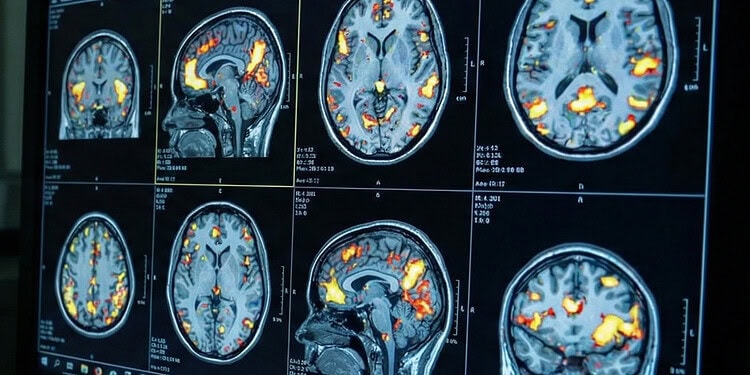

People with substance use disorder—whether addicted to alcohol, cocaine, heroin, or nicotine—share a strikingly similar pattern of abnormal brain connections, particularly within the brain’s reward and self-control circuits, according to a new meta-analysis published in Translational Psychiatry.
Substance use disorder (SUD) is marked by an ongoing struggle to control drug or alcohol use despite harmful consequences. Scientists have long suspected that this loss of control is tied to changes in the brain’s reward system—the network that helps us experience pleasure, form habits, and make decisions. However, past brain imaging studies have produced inconsistent results, largely due to studies varying in the specific substances used, stages of addiction (e.g., active use versus long-term withdrawal), and the specific brain regions being investigated.
To address this gap, a research team led by Xiaonan Zhang of the First Hospital of Shanxi Medical University in China conducted a comprehensive meta-analysis, a statistical method that pools data from many prior studies to identify overarching trends. They focused specifically on studies that utilized resting-state functional MRI (rs-fMRI), a technique that measures how different brain regions communicate while a person is awake but not performing a specific task.
The team ultimately included 53 whole-brain fMRI studies in their analysis, covering nine substances: alcohol, nicotine, cocaine, cannabis, heroin, ketamine, amphetamine, areca nut, and methamphetamine. Combined, these studies included 1,700 people diagnosed with SUD (average age 39 years; approximately 19% women) and 1,792 healthy control participants (average age 38 years; approximately 30% women).
Zhang and colleagues mapped functional connectivity patterns based on five key “seed” regions within the reward circuit: the anterior cingulate cortex, the prefrontal cortex, the striatum, the thalamus, and the amygdala. The results revealed a consistent and specific set of connectivity abnormalities shared across all types of SUDs.
Broadly, people with substance use disorder showed significant dysfunction in the cortical-striatal-thalamic-cortical (CSTC) circuit. This is a critical neural loop connecting the brain’s frontal regions (responsible for logic, control, and decision-making), the striatum (central to motivation and reward), and the thalamus (which relays sensory and motor signals throughout the brain).
Within this circuit, certain connections were overactive (hyperconnected), while others were underactive (hypoconnected). For instance, the prefrontal cortex showed stronger-than-normal connections with regions involved in heightened attention and executive function, but significantly weaker connections with the inferior frontal gyrus, an area critical for suppressing impulses.
Similarly, the striatum was overconnected with the superior frontal gyrus—suggesting an overactive response to drug-related cues—while being underconnected with the median cingulate gyrus, a region involved in emotional regulation and pain processing. Furthermore, the thalamus displayed reduced connections with several frontal and cingulate regions, which aligns with the cognitive difficulties and impaired impulse control often seen in addiction.
The researchers also found evidence of a second disrupted circuit connecting the striatum to memory- and emotion-processing regions, including the hippocampus and amygdala. This points to a role for disrupted emotional memory and regulation in sustaining addictive behaviors.
Notably, when the researchers analyzed psychological assessments, they found a direct behavioral link: the degree of disconnection between the striatum and the median cingulate gyrus was strongly and negatively correlated with impulsivity scores in patients. In other words, the weaker that specific neural connection was, the more impulsive the individual tended to be.
“We present, for the first time, a specific pattern of network abnormalities in [substance use disorder] patients based on key nodes of the reward circuit, offering new insights into functional deficits within and between these networks,” the authors concluded. They noted that by mapping these specific broken circuits, the medical field gains a theoretical foundation for targeted interventions—such as deep brain stimulation or transcranial magnetic stimulation—designed to restore normal brain connectivity.
The study does have important limitations. Because it relied on existing data, there were significant age and gender differences between the SUD and healthy control groups. Additionally, individuals with serious psychiatric conditions alongside their addiction were excluded from the original studies; thus, these findings may not fully apply to the many real-world patients who suffer from both addiction and a co-occurring mental illness.
The study, “Common neural patterns of substance use disorder: a seed-based resting-state functional connectivity meta-analysis,” was authored by Xiaonan Zhang, Haoyu Zhang, Yingbo Shao, Yang Li, Feifei Zhang, and Hui Zhang.