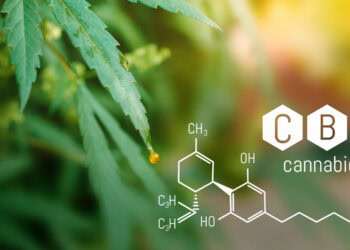
Cannabidiol (CBD) and delta-9-tetrahydrocannabinol (THC) are the two most prominent psychoactive substances found in the cannabis plant. According to data from two placebo-controlled, double-blind studies, CBD appears to buffer against some of the acute effects of THC on the brain. The new findings, which appear in the Journal of Psychopharmacology, suggest that cannabis strains with greater CBD content may be less harmful.
“Cannabis is a very popular recreational drug, and is also starting to be used medically for some purposes, but we still don’t know a great deal about how different cannabinoids affect the brain,” said study author Matt Wall, a senior imaging scientist at Invicro.
“In addition, there is some evidence that high-strength cannabis (which typically has very high levels of THC, but low levels of other cannabinoids such as cannabidiol) may be more dangerous and be more associated with problems such as addiction or psychosis in long-term users. Understanding the effects of different cannabinoids on the brain is therefore an important public-health issue, and might help in further developing therapeutic uses of cannabinoids.”
The researchers were particularly interested in the effects of cannabinoids on the functional connectivity of the striatum, a brain area that is is crucial for the control of movement and also involved in processing reward-related information. The striatum has been implicated in addiction and psychosis.
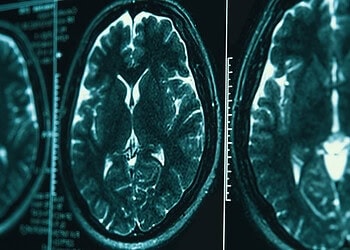
Wall and his colleagues utilized data from a previously conducted study, in which researchers used functional magnetic resonance imaging (fMRI) to measure the brain activity in 17 healthy volunteers after taking cannabis strains containing both THC and CBD, high-THC cannabis without CBD, and placebo cannabis (without either THC or CBD). Wall and his colleagues also conducted their own study in which they measured the brain activity in 23 healthy volunteers after they consumed oral CBD and a placebo.
THC and CBD appeared to have opposing effects. High-THC cannabis without CBD had disruptive effects on the functional connectivity of the striatum, but oral CBD without THC was found to increase striatum connectivity. The cannabis strain containing both THC and CBD decreased striatum connectivity, but to a lesser extent than the THC-only cannabis strain.
The findings indicate that “different types of cannabis have different effects on the brain,” Wall told PsyPost. “High-strength, relatively pure-THC cannabis can severely affect some brain networks, but when THC is combined with cannabidiol (CBD) in a more ‘balanced’ way, these effects may be reduced somewhat, making a balanced strain of cannabis potentially safer to use. CBD by itself seems to have quite minimal effects on the brain networks we looked at, which means it’s probably safe for use as a potential therapy.”
The results are in line with previous findings. In particular, researchers previously found that the high-THC strain impaired functional connectivity in the brain’s default mode and salience networks, while the THC and CBD strain caused only a minimal disruption to the these regions.
But scientists still have much to learn about how cannabis impacts the brain.
“The two studies here were both quite small, and they need replication in larger groups (which we’re working on currently),” Wall said. “Also, we used data from two different cohorts of subjects here, so direct comparison between those two groups is not really possible.”
“Cannabis is transitioning to legal or semi-legal status in a lot of places around the world, and that means more people will potentially be exposed to cannabinoids,” he added. “Understanding the effects of different cannabinoids is a vital effort to ensure that people have the best information about the cannabis they use and can make well-informed choices.”
The study, “Individual and combined effects of cannabidiol and Δ9-tetrahydrocannabinol on striato-cortical connectivity in the human brain“, was authored by Matthew B Wall, Tom P Freeman, Chandni Hindocha, Lysia Demetriou, Natalie Ertl, Abigail M Freeman, Augustus PM Jones, Will Lawn, Rebecca Pope, Claire Mokrysz, Daniel Solomons, Ben Statton, Hannah R Walker, Yumeya Yamamori, Zixu Yang, Jocelyn LL Yim, David J Nutt, Oliver D Howes, H Valerie Curran, and Michael AP Bloomfield.