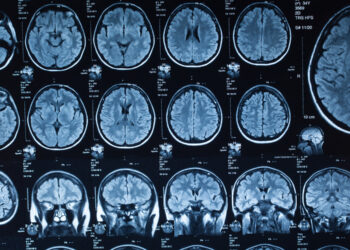
A study of rhesus macaques revealed that infants who experienced higher levels of maltreatment by their mothers tended to develop into adolescents with weaker binding potential of serotonin receptors in the prefrontal cortex, amygdala, striatum, and hippocampus regions of the brain. They also exhibited weaker binding potential of dopamine receptors in the amygdala. The research was published in Neuropsychopharmacology.
Childhood maltreatment refers to any form of abuse or neglect experienced by a child under the age of 18 that threatens their health, development, or dignity. It includes physical, emotional, or sexual abuse, as well as neglect or exploitation. Maltreatment can occur in the home, school, or community and is often perpetrated by caregivers or individuals in positions of trust.
Studies have linked childhood maltreatment to an increased risk of various psychiatric illnesses. The neural mechanisms underlying this link are not fully understood, but researchers hypothesize that alterations in the neural systems involving the neurotransmitters serotonin and dopamine may play a role. Serotonin broadly regulates mood, appetite, sleep, and other essential physiological processes, while dopamine is involved in reward, motivation, movement, and emotional regulation.
Study author Alison G. P. Wakeford and colleagues aimed to explore the effects of childhood maltreatment on serotonin receptors (5HT1A and 5HT2A) and dopamine (D2) receptors in the brain. To achieve this, they conducted a study on rhesus macaques.
The study included 13 male and 12 female rhesus macaques born and housed at the Primate Research Center Field Station in Lawrenceville, Georgia. These monkeys lived in large social groups consisting of 75–150 adult females, their subadult and juvenile offspring, and 2–3 adult males. The monkeys were observed from birth through adolescence.
At birth, the infants were randomly assigned to two groups. The first group was raised by mothers with a history of providing nurturing maternal care. The second group was raised by mothers with a history of maltreating their offspring. The abusive mothers were observed physically abusing and rejecting their infants during the first three months of life, causing pain, emotional distress, and elevated stress hormone levels. Such behaviors were not observed in the nurturing mothers. The first group consisted of 11 infants, while the second group had 14.
The researchers closely observed the maternal care the infants received and their emotional reactivity during the first three months of life. They also measured cortisol levels—an indicator of stress—accumulated in the infants’ hair from birth to six months.
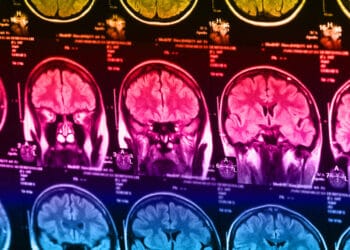
When the monkeys reached 4–5 years of age, they were transferred to the main research station, where they were fed Purina Monkey Chow supplemented with fruits and vegetables and had free access to water. After several months of acclimation, the monkeys underwent neuroendocrine assessments, magnetic resonance imaging (MRI), positron emission tomography (PET) scans of their brains, and behavioral tests, including intravenous self-administration of cocaine.
The results showed that adolescent monkeys raised by abusive mothers had lower binding potential of serotonin 5HT1A receptors in the prefrontal cortex, amygdala, and hippocampus. They also showed reduced binding potential of 5HT2A receptors in the striatum and prefrontal cortex, as well as dopamine D2 receptors in the amygdala. Binding potential reflects the density and availability of specific receptor types in a brain region.
Notably, none of the neuroendocrine or behavioral measurements obtained early in life predicted the binding potential of the studied receptors.
“Our findings suggest that early caregiving experiences regulate the development of brain 5HT [serotonin] and DA [dopamine] systems in primates, resulting in long-term effects evident during adolescence,” the study authors concluded.
The study sheds light on how early-life adversity affects the structure and function of the nervous system later in life. However, it is important to note that the research was conducted on rhesus monkeys, not humans. While humans and other primates share many similarities, they are distinct species with different developmental and environmental contexts. Therefore, findings in humans may not fully align with these results.
The paper, “Alterations in adolescent brain serotonin (5HT)1A, 5HT2A, and dopamine (D)2 receptor systems in a nonhuman primate model of early life adversity,” was authored by Alison G. P. Wakeford, Jonathon A. Nye, Elyse L. Morin, Jiyoung Mun, Jerrold S. Meyer, Mark Goodman, Leonard L. Howell, and Mar M. Sanchez.