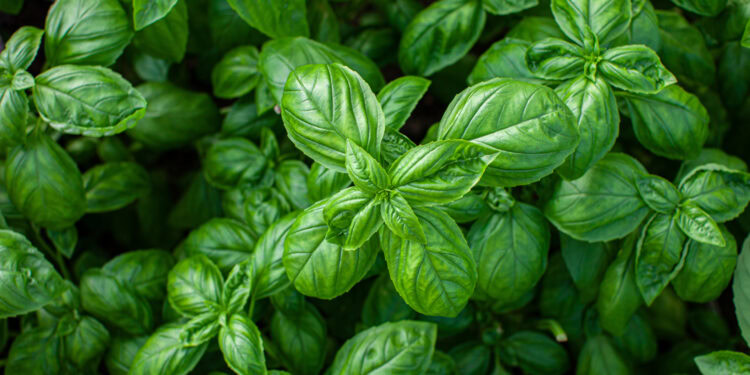
A study published in the journal Brain and Behavior suggests that an extract made from basil leaves might help ease symptoms in people diagnosed with severe depression and anxiety. When taken alongside standard antidepressant medication, a nightly dose of basil syrup was associated with larger reductions in mood and worry symptoms than a placebo. These preliminary findings indicate that this common culinary herb could offer supplementary benefits for mental health treatment.
Major depressive disorder is a mood condition that affects thoughts, physical health, and daily functioning. People with this condition often experience persistent sadness, fatigue, and an inability to feel pleasure. This disorder frequently occurs alongside anxiety disorders, which involve excessive fear and worry that interfere with everyday routines.
Standard treatments for these conditions typically involve cognitive behavioral therapy and prescription medications. Doctors frequently prescribe selective serotonin reuptake inhibitors, or SSRIs, as a primary pharmacological treatment. These drugs can produce adverse reactions like sleep changes, weight gain, and gastrointestinal issues, which sometimes prompt patients to seek alternative options.
A research team from Fasa University of Medical Sciences and Shiraz University of Medical Sciences in Iran explored traditional herbal medicine for potential new treatments. Basil, known scientifically as Ocimum basilicum, is a widely accessible plant that contains several biologically active chemical compounds. In traditional Persian medicine, practitioners have utilized this plant for a variety of physical and mental ailments.
Previous tests on animal models provided evidence that compounds in basil, such as linalool and eugenol, might interact with brain pathways related to stress and mood. Linalool, for example, interacts with certain neurotransmitter systems that help calm the nervous system. The scientists designed this human trial to see if basil extract could similarly alleviate anxiety and depression symptoms in clinical patients.
The scientists conducted a randomized, single-blind, placebo-controlled trial involving 60 adults between the ages of 18 and 65. All participants had a confirmed medical diagnosis of major depressive disorder with concurrent anxiety. A single-blind study means the participants did not know whether they were receiving the real herbal treatment or a fake substitute, though the researchers did know.
Every participant received a daily dose of sertraline, a standard prescription antidepressant, to ensure their baseline medical needs were met. The researchers randomly divided the participants into two equal groups of 30. The first group received a syrup containing 1100 milligrams of dried basil leaf extract to take each night before sleep. The researchers chose this specific dose based on data from traditional medicine practices and earlier pilot studies.
The active syrup was created by drying basil leaves, grinding them, and extracting the chemical components using a water and alcohol solution. The second group received a placebo syrup formulated with sugar, water, and food coloring to mimic the exact appearance of the basil medication. Both groups maintained this routine for four weeks.
To measure mental health symptoms, the researchers used two standard questionnaires: the Beck Depression Inventory and the Hamilton Anxiety Rating Scale. The Beck Depression Inventory asks patients about a range of depressive symptoms, yielding scores from 0 to 63, where higher numbers indicate more severe depression. The Hamilton Anxiety Rating Scale evaluates both mental worry and physical tension, with scores above 25 pointing to severe anxiety.
The research team recorded these scores for all participants at the beginning of the study and again after the four-week period. Three participants in the basil group dropped out before the study ended due to scheduling conflicts and mild stomach discomfort.
Before the intervention, both groups reported similar symptom severity. The basil group had an average starting depression score of roughly 39 out of 63, and the placebo group averaged around 40. For anxiety, the basil group started with an average score of roughly 33, while the placebo group started at nearly 35.
After four weeks of treatment, both groups experienced measurable improvements. The placebo group saw their average depression score drop by about 11 points to a score of roughly 30. Their anxiety score decreased by about 10 points to an average score of roughly 25.
The group taking the basil syrup experienced more substantial symptom relief compared to the base rates of the placebo group. Their average depression score decreased by 18 points, dropping to a final score of roughly 21. This specific change moved the basil group’s average rating from the severe depression category down to a moderate level.
Their average anxiety score dropped by 20 points, resulting in a final average score of roughly 13. This change transitioned the basil group from severe anxiety to mild anxiety on the standard rating scale. The authors reported that the basil syrup was well-tolerated, causing no severe side effects during the trial. Only a few transient issues, such as mild headaches, were noted in the active treatment group.
The four-week timeframe of the study limits the ability to draw definitive conclusions about the long-term effects of this herbal extract. The findings apply specifically to basil used as an add-on therapy rather than a primary treatment. Because all participants were taking a standard prescription antidepressant alongside the syrup, the study indicates that basil serves as a supplementary aid rather than a standalone replacement for medical care.
Because depression and anxiety heavily influence one another, it is difficult to determine if the basil syrup directly targeted anxiety pathways or if a general improvement in mood naturally lessened feelings of worry. The study’s design also presented a challenge with maintaining the single-blind conditions. Although the placebo syrup looked identical to the basil medicine, the distinct taste and smell of basil might have alerted some participants to their group assignment, which can influence how they report their symptoms. Future research tracking much larger groups of people over several months would help clarify the exact benefits of this plant extract.
The study, “Basil (Ocimum basilicum) to Alleviate Anxiety in Patients With Major Depressive Disorder: A Randomized Placebo-Controlled Clinical Trial,” was authored by Mahva Talaei, Kiarash Zare, Yussef Hashemi, Amir Hesam Pahlevani, Bahareh Fakhraei, Foroogh Namjooyan, Mohammad Hashem Hashempur, Amin Kouhpaye, and Sayed Hamdollah Mosavat.
