Subscribe
The latest psychology and neuroscience discoveries.
My Account
  • Mental Health
  • Social Psychology
  • Cognitive Science
  • Neuroscience
  • About
No Result
View All Result
PsyPost
PsyPost
No Result
View All Result
Home Exclusive Psychopharmacology

Empathy study finds low dose of MDMA makes people feel more concerned for others

by Eric W. Dolan
April 24, 2017
in Psychopharmacology
(Photo credit: Romario Ien)

(Photo credit: Romario Ien)

Share on TwitterShare on Facebook

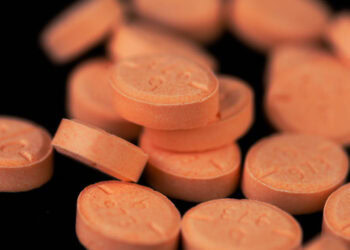
A team of researchers from the Netherlands and Switzerland have confirmed that the drug 3,4-methylenedioxymethamphetamine (MDMA) — commonly known as ecstasy or molly — enhances empathy towards others.

The findings, published April 3 in the Journal of Psychopharmacology, are based on a pooled sample of 118 participants from six double-blind placebo-controlled studies. The participants ingested either 75 mg or 125 mg of MDMA or a placebo pill before completing an empathy test.

The researchers found that MDMA did not significantly influence cognitive empathy, meaning the ability to correctly identify the emotions of another person. But the drug did enhance emotional empathy, meaning the affective response to another person’s emotional state.

A number of potentially moderating factors — including the sex of the participant, plasma concentrations of MDMA and oxytocin, trait empathy, and lifetime MDMA use — appeared to play little to no role in the enhanced empathic response produced by MDMA.

PsyPost interviewed the study’s corresponding author, Kim PC Kuypers of Maastricht University. Read her responses below:

PsyPost: Why were you interested in this topic?

Kuypers: In 2008, after having focused on the negative effects of MDMA we shifted focus and got a grant to investigate the positive effects of MDMA. We know from anecdotal reports that MDMA has positive effects. We wanted to objectify those by means of laboratory tasks.

What should the average person take away from your study?

Google News Preferences Add PsyPost to your preferred sources

MDMA enhances emotional empathy. After intake of a single –low- dose of MDMA people feel more concerned for people experiencing emotions and feel more aroused by the emotions they see. The ability to recognize emotions is not impaired.

Are there any major caveats? What questions still need to be addressed?

1) We are still not sure about the neurobiological mechanisms underlying this, this should be addressed.

2) Computerized tests using static emotions were used, more dynamic stimuli are needed to increase the ecological validity.

The study, “Multifaceted empathy of healthy volunteers after single doses of MDMA: A pooled sample of placebo-controlled studies“, was also co-authored by Patrick C. Dolder, Johannes G. Ramaekers, and Matthias E. Liechti.

Previous Post

Scientist explains prestige-biased learning — and why even art experts can’t always grasp art

Next Post

Researcher: Nudity can disrupt the natural inhibition men have toward non-consensual sex

RELATED

Stimulant medications normalize brain structure in children with ADHD, study suggests
ADHD Research News

Long-term ADHD medication use does not appear to permanently alter the developing brain

March 5, 2026
Hemp-derived cannabigerol shows promise in reducing anxiety — and maybe even improving memory
Alcohol

Using cannabis to cut back on alcohol? Your working memory might dictate if it works

March 5, 2026
New psychology research flips the script on happiness and self-control
Cannabis

Exploring the motivations for cannabis use during sex

March 4, 2026
Chocolate lovers’ brains: How familiarity influences reward processing
Cognitive Science

A single dose of cocoa flavanols improves cognitive performance during aerobic exercise

March 4, 2026
Scientists discover psychedelic drug 5-MeO-DMT induces a state of “paradoxical wake”
Ayahuasca

Scientists discover psychedelic drug 5-MeO-DMT induces a state of “paradoxical wake”

March 4, 2026
New research: AI models tend to reflect the political ideologies of their creators
Neuroimaging

Psilocybin produces different behavioral and brain-altering effects depending on the dose

February 26, 2026
Consumption of gluten harms the hypothalamus region of the brain in male mice and may lead to obesity, study finds
Ketamine

Ketamine blocks the short-term anxiety and social withdrawal linked to adolescent social defeat

February 25, 2026
The psychology behind society’s fixation on incels
Caffeine

Caffeine might ease anxiety and depression by calming brain inflammation

February 22, 2026

STAY CONNECTED

LATEST

Dating and breakups take a heavy emotional toll on adolescent mental health

Abortion stigma persists at moderate levels in high-income countries

Brain scans reveal two distinct physical subtypes of ADHD

Employees who feel attractive are more likely to share ideas at work

New psychology research reveals that wisdom acts as a moral compass for creative thinking

Long-term ADHD medication use does not appear to permanently alter the developing brain

Using cannabis to cut back on alcohol? Your working memory might dictate if it works

Conservatives underestimate the environmental impact of sustainable behaviors compared to liberals

PsyPost is a psychology and neuroscience news website dedicated to reporting the latest research on human behavior, cognition, and society. (READ MORE...)

  • Mental Health
  • Neuroimaging
  • Personality Psychology
  • Social Psychology
  • Artificial Intelligence
  • Cognitive Science
  • Psychopharmacology
  • Contact us
  • Disclaimer
  • Privacy policy
  • Terms and conditions
  • Do not sell my personal information

(c) PsyPost Media Inc

Welcome Back!

Login to your account below

Forgotten Password?

Retrieve your password

Please enter your username or email address to reset your password.

Log In

Add New Playlist

Subscribe
  • My Account
  • Cognitive Science Research
  • Mental Health Research
  • Social Psychology Research
  • Drug Research
  • Relationship Research
  • About PsyPost
  • Contact
  • Privacy Policy

(c) PsyPost Media Inc