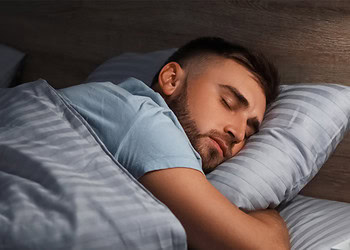
A recent study of over 50,000 Norwegian students revealed that individuals who drank energy drinks daily tended to have lower-quality sleep compared to students who rarely or never consumed energy drinks. Daily energy drink consumers had shorter, less efficient sleep, took longer to fall asleep, and required more time to wake up. The research was published in BMJ Open.
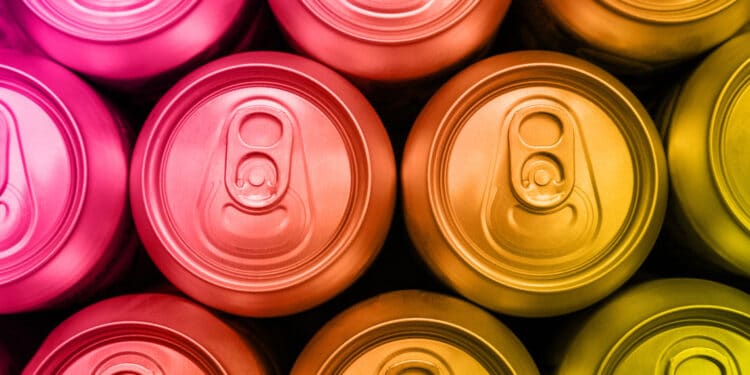
Energy drinks are beverages designed to boost energy, alertness, and concentration. They typically contain high levels of caffeine, sugar, and other stimulants such as taurine, guarana, and B vitamins. These drinks are popular among individuals seeking a quick energy boost, particularly students, athletes, and those working long hours.
However, excessive consumption can lead to side effects such as increased heart rate, high blood pressure, and anxiety. Regular intake of energy drinks, especially those high in sugar, may contribute to health risks like obesity and dental problems. Due to these potential health concerns, many health organizations recommend moderation in their use, particularly among young people.
Study author Siri Kaldenbach and her colleagues aimed to investigate how often students consume energy drinks and whether this consumption is associated with sleep characteristics. Previous studies had reported that individuals who drank more energy drinks tended to have poorer sleep quality, but these studies involved relatively small participant groups. The authors also noted that energy drinks contain high levels of caffeine, which is known to help people stay awake, making it harder to fall asleep after consuming large amounts.
The researchers analyzed data from the Students’ Health and Well-being Study, a large national survey of students in higher education in Norway, conducted by three major student welfare organizations. This study used data from 59,544 students who completed online questionnaires in 2022. The students’ mean age was 24 years, and 66% were women.
In the questionnaires, students provided demographic information, details about their energy drink consumption habits, and self-reported their usual bedtimes and wake times for both weekdays and weekends. They also reported how long it typically took them to fall asleep, how long they needed to wake up after sleeping, how often they had difficulty falling asleep, maintaining sleep, or experienced early morning awakenings. Additionally, they reported how often they felt tired and sleepy during the day.
Results showed that around 50% of women and 40% of men stated they never consumed energy drinks. In contrast, approximately 6% of women and 8% of men reported consuming 4-6 energy drinks per week. About 3% of women and 5% of men reported consuming energy drinks daily.
Both men and women who consumed energy drinks daily slept, on average, 30 minutes less per day compared to those who never consumed them. Daily energy drink consumers slept around 7 hours and 10 minutes, while those who never drank energy drinks slept about 7 hours and 40 minutes per night.
Among women who consumed energy drinks, 51% reported insomnia symptoms, compared to 33% of women who rarely or never consumed them. These percentages were 37% and 22% for men. Men who consumed energy drinks daily were twice as likely to sleep less than 6 hours per night compared to those who rarely or never consumed energy drinks. This difference was smaller for women. Both men and women who drank energy drinks daily also took more time to fall asleep, wake up, and experienced more difficulty maintaining sleep.
“The results from the current study show that there is a robust association between the frequency of ED [energy drink] consumption and the different sleep parameters. Identifying modifiable risk factors for sleep problems among college and university students is vital and our results suggest that the frequency of ED consumption could be a possible target for interventions,” the study authors concluded.
The study sheds light on the links between energy drink consumption and sleep quality among students. However, both sleep and energy drink consumption data came from self-reports, leaving room for reporting bias to affect the results. Additionally, the design of the study does not allow any cause-and-effect inferences to be drawn from the results.
The paper, “Energy drink consumption and sleep parameters in college and university students: a national crosssectional study,” was authored by Siri Kaldenbach, Mari Hysing , Tor A Strand, and Børge Sivertsen.