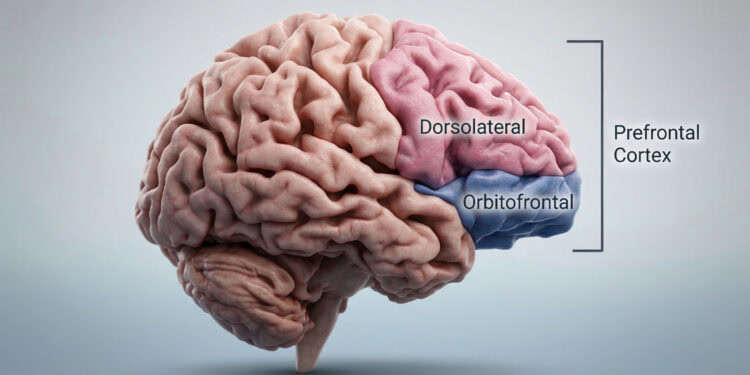
Brain damage reveals how a specific region generates mind-wandering
Damage to the ventromedial prefrontal cortex hinders a person's ability to let their mind wander. A new small study suggests this brain region is necessary for generating the internal thoughts and memories that distract us from the present.
Read moreDetails
Escaping absolute poverty boosts adult cognitive abilities, study finds
A recent evaluation of a nationwide anti-poverty campaign shows that escaping absolute poverty can boost adult cognitive abilities, improving both factual knowledge and abstract reasoning by elevating physical health, educational investment, and job opportunities.
Read moreDetails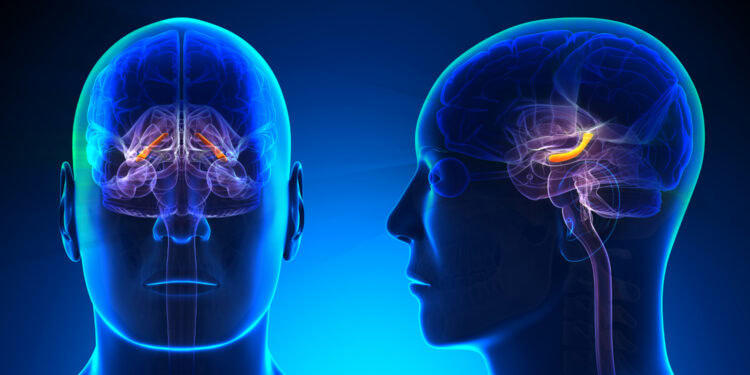
The surprising reason our memories become blurred as we age, according to new neuroscience research
Scientists have uncovered a surprising twist in how our minds age. A new brain scanning study shows that a mechanism designed to protect our memories eventually begins to blend them together, leading to everyday confusion.
Read moreDetails
Heavy ChatGPT use linked to intellectual laziness and social isolation
New research reveals that relying too heavily on generative artificial intelligence can erode critical thinking, memory, and social skills. However, using the technology thoughtfully as a collaborative tool might actually boost human creativity and confidence.
Read moreDetails
Brain scans shed light on how practice and genetics combine to influence reading ability
Scientists have mapped the reading brain, finding that genetics set the foundation for processing sounds and meaning. Meanwhile, the physical act of reading practice actually thickens specific brain regions and optimizes communication pathways.
Read moreDetails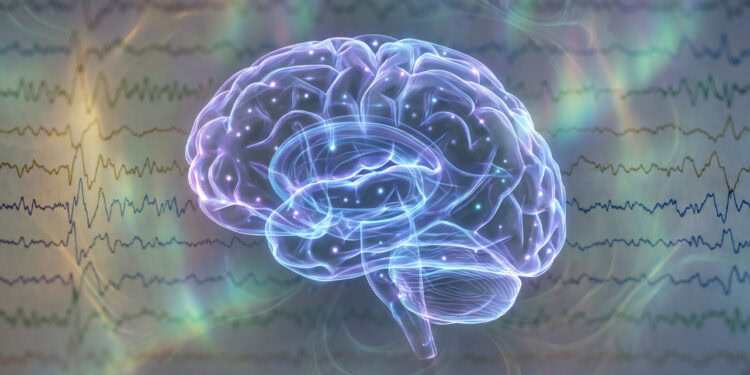
Brain waves reveal how alcohol cues hijack decision-making in addiction
People with alcohol use disorder experience automatic emotional reactions to alcohol-related images that disrupt their decision-making processes. New research shows the brain attempts to offset these cognitive disruptions by increasing activity in regions associated with deliberate thought.
Read moreDetails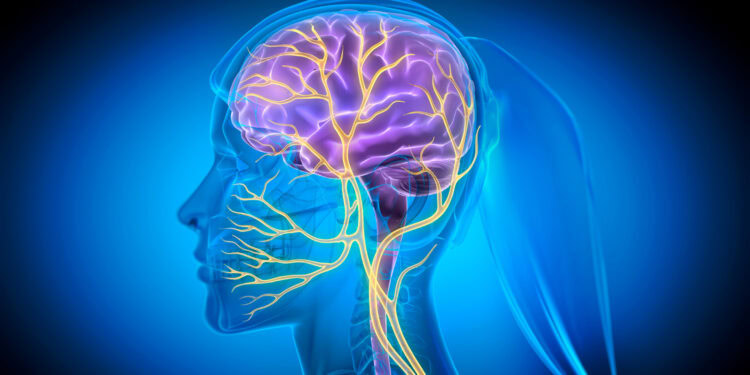
Vagus nerve stimulation induces brain vascular rhythms linked to later learning performance
New research in mice shows that stimulating the vagus nerve after training enhances long-term learning. The stimulation also triggers rhythmic changes in brain blood flow, suggesting learning depends on more than just chemical signaling between brain cells.
Read moreDetails
Neuroscientists demonstrate that logical reasoning does not require language
A new study of healthy adults and patients with severe aphasia shows that the human brain uses distinct networks for processing language and solving complex logic puzzles, challenging the long-held idea that we think in words.
Read moreDetails
Brain stimulation helps socially anxious individuals control avoidance behaviors
A new study shows that targeted electrical brain stimulation can help socially anxious individuals overcome automatic avoidance behaviors. By synchronizing specific brain rhythms, the noninvasive technique improved participants' ability to control their emotional responses.
Read moreDetails
Nut consumption is associated with sharper thinking skills and post-stroke brain health markers
People who eat more nuts tend to score higher on cognitive tests, particularly those with poor diets or exercise habits. New research suggests simply swapping unhealthy snacks for nuts could help protect brain health as we age.
Read moreDetails
Brain network rhythms reveal why some people are better at keeping their focus
Why can some people easily ignore distractions while others struggle to stay on task? New research shows that the ability to maintain focus is a stable trait reflected in the rhythmic synchronization of large-scale brain networks.
Read moreDetails
Brain scans reveal how artificial sweeteners affect our reward circuits differently than sugar
A new study reveals that while zero-calorie sweeteners generally affect the body like water, they trigger distinct activity in the brain’s reward centers compared to real sugar. Interestingly, some even delay stomach emptying without spiking blood sugar.
Read moreDetails
Genetic risk for schizophrenia and bipolar disorder is linked to specific types of intelligence
A new study reveals that genetic risks for conditions like schizophrenia are linked to lower problem-solving skills but higher accumulated knowledge. The findings show that intelligence and mental health share a highly complex genetic relationship.
Read moreDetails
Abacus training is linked to better math and memory skills in elementary students
Elementary school students who learn to calculate using a mental abacus tend to perform better on math tests than their peers. A new study suggests this advantage is partly explained by enhanced numerical processing, attention, and memory.
Read moreDetails
General intelligence predicts actual cultural problem solving across three countries
A study of adults across three countries reveals that self-reported cultural intelligence and actual cross-cultural problem-solving rely on entirely different mental traits, highlighting the need for diverse testing methods to understand intercultural skills.
Read moreDetails