Your brain can start dreaming while you are still awake, and scientists just mapped how it happens
A new study in Cell Reports reveals that the boundary between wakefulness and sleep is highly porous. Researchers found that humans can experience bizarre, dream-like states while awake and engage in rational planning while asleep.
Read moreDetails
When do humans reach their psychological peak? A new study points to late midlife
While raw processing speed declines after your 20s, a combination of emotional intelligence, accumulated knowledge, and mature personality traits pushes optimal human functioning into late midlife. New research reveals the ideal age for complex decision-making.
Read moreDetails
Brain imaging reveals what makes professional visual artists unique
Professional visual artists possess unique brain structures that support vivid mental imagery, according to new research. By combining multiple brain scans, scientists discovered distinct neural patterns in artists that differ significantly from those without artistic training.
Read moreDetails
Why a single IQ score may not capture your true brainpower
A new statistical analysis reveals that overarching human intelligence fluctuates over a lifespan. The findings also suggest that a single composite IQ score is less reliable for measuring the minds of highly intelligent individuals.
Read moreDetails
Video games might offer a small boost to memory and mental skills
A recent overarching review of dozens of studies found that playing video games might offer a modest boost to various mental skills, helping players process information and remember details more effectively.
Read moreDetails
Intelligence found to predict prosocial behaviors like voting and charitable giving in massive study
A massive analysis of Swedish population records reveals that people with higher cognitive abilities are more likely to vote, donate to charity, and buy eco-friendly vehicles, suggesting general intelligence directly influences actions that benefit society.
Read moreDetails
Bilingual brains use a shared neural map to translate meaning across languages
New research reveals that bilingual brains rely on a shared geometric map to process meaning. While individual neurons treat languages differently, the overall neural structure remains the same, allowing seamless translation between languages.
Read moreDetails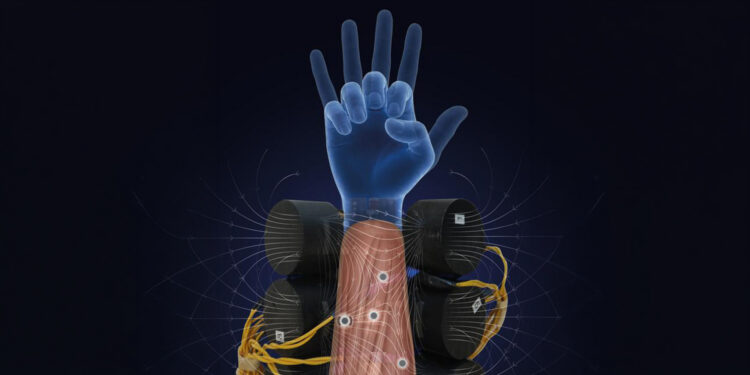
Magnetic muscle implants help amputees feel coordinated prosthetic hand movements
Scientists have developed a new prosthetic interface using small, implanted magnets. By remotely vibrating these magnets, an amputee experienced natural, whole-hand movement sensations without needing the complex nerve-redirection surgeries required by previous prosthetic technologies.
Read moreDetails
Can nighttime brain bursts predict performance on intelligence tests?
A large-scale statistical review reveals how the electrical rhythms of the sleeping brain change as we age. The findings also outline differences in rest architecture between men and women, alongside unique links to waking cognitive abilities.
Read moreDetails
Brain signals can reveal when a person is preparing to tell a lie
Researchers have found that the brain readies itself to deceive moments before a falsehood is spoken. Tracking this mental preparation could offer a new approach to lie detection.
Read moreDetails
Brain stimulation technique alters human perception of physical control
Researchers have discovered that applying targeted electrical or magnetic stimulation to a specific brain region can directly alter a person's sense of agency, either improving or impairing their ability to detect subtle outside interference in their physical actions.
Read moreDetails
Differences in birthweight between twins predict later intelligence test scores
A recent Journal of Child Psychology and Psychiatry study suggests the heavier twin at birth tends to score higher on cognitive tests later in life. These findings highlight how conditions in the womb independently influence long-term brain development.
Read moreDetails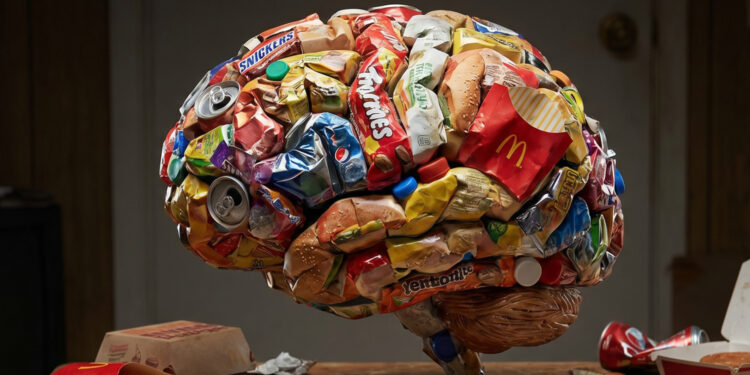
Ultra-processed foods linked to lower memory and concentration in young adults
Eating a diet heavily reliant on ultra-processed foods is associated with lower memory and concentration scores in young adults. Researchers warn that these industrially processed snacks could be affecting daily brain function.
Read moreDetails
Neuroscientists uncover how serotonin alters “belief stickiness”
A new study suggests serotonin helps the brain update its assumptions by reducing "belief stickiness." The findings explain how common antidepressants might relieve obsessive-compulsive traits by helping people let go of rigid, outdated thoughts.
Read moreDetails
The human brain nonconsciously filters out negative spoken words when distracted
A new study suggests the brain nonconsciously filters out emotionally negative spoken words when people are distracted. The findings indicate that the mind protects conscious awareness by ignoring disruptive emotional sounds.
Read moreDetails