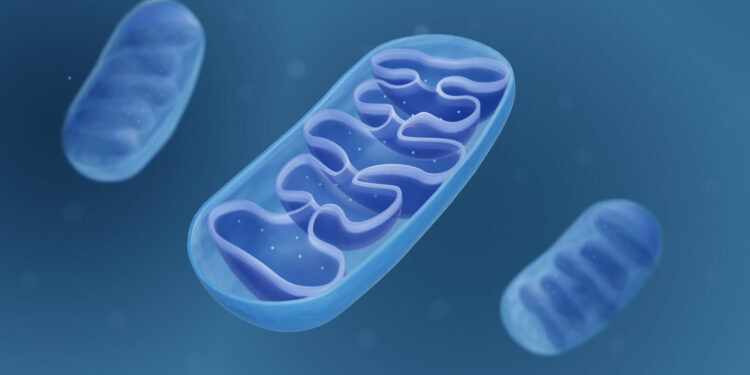
Mitochondrial dysfunction linked to early aging in children of alcohol-abusing parents
Children of parents with alcohol use disorders inherit mitochondrial dysfunction, leading to early aging symptoms such as high cholesterol, heart problems, arthritis, and early onset dementia.
Read moreDetails
Stress triggers different brain responses in women and men with alcohol use disorder
Acute social-evaluative stress increases anxiety and activates stress-related brain regions in individuals with alcohol use disorder, with women showing higher baseline stress and greater amygdala activation than men.
Read moreDetails
New gut microbiome discovery: Sodium valerate could be key to reducing alcohol abuse
Researchers have discovered that sodium valerate, a compound produced by gut microbes, reduces binge drinking and blood alcohol levels in mice, offering new hope for treating alcohol use disorders through the gut-brain connection.
Read moreDetails
Majority of men with alcohol dependence suffer sexual dysfunction, study finds
A study of Indian men with alcohol dependence found that 67% suffer from sexual dysfunction, with loss of sexual desire and erectile dysfunction being most common.
Read moreDetails
Adolescent alcohol use linked to altered hippocampal structure in young adulthood
Adolescent alcohol use is linked to larger hippocampal volumes, while tobacco and cannabis show no such effect, revealing substance-specific impacts on brain development.
Read moreDetails
Mixing energy drinks with alcohol impairs neural functioning in rats, study finds
Researchers found that adolescent binge drinking of alcohol mixed with energy drinks temporarily boosted neural function in rats but led to long-term reductions in hippocampal synaptic plasticity
Read moreDetails
Alcoholism is associated with accelerated biological aging
Alcohol dependence accelerates biological aging, as measured by epigenetic clocks, but a three-week treatment program can significantly decelerate this process and improve biomarkers associated with aging.
Read moreDetails
Alcohol use disorder: Novel procedure identifies individual differences in coping strategies
Researchers developed a novel rat model to study how using alcohol as a coping mechanism for stress leads to compulsive drinking, revealing significant individual differences.
Read moreDetails
Personality differences linked to drinking behaviors in Alcoholics Anonymous members
In Alcoholics Anonymous participants with severe alcohol use disorder, women who drank more had higher levels of impulsive reactions to emotions and lower thrill-seeking tendencies, while men who drank more had higher levels of impulsive reactions to positive emotions.
Read moreDetails
New research explores alcohol’s effects on extrastriate symmetry
Despite alcohol's effects on early visual processing, our brain's extrastriate areas remain impressively robust in detecting symmetry, even under moderate intoxication.
Read moreDetails
Even mild insomnia symptoms can predict future alcohol use in adults
New research has found that subclinical insomnia symptoms significantly predict increased future alcohol use in adults.
Read moreDetails
New psychology research sheds light on the dark side of “wine mom” culture
Recent research suggests that the "wine mom" phenomenon on social media and TV influences mothers to perceive alcohol as a normal stress relief, promoting risky drinking behaviors by shaping social norms around alcohol consumption among mothers.
Read moreDetails
Scientists link small changes in facial and brain structure to low/moderate prenatal alcohol exposure
Studies indicate that low to moderate prenatal alcohol exposure subtly alters fetal craniofacial features and specific brain regions, yet appears to have no significant impact on broader socio-cognitive development in early childhood.
Read moreDetails
Alcohol, relationships, and longevity: Couples with similar drinking habits tend to live longer
Couples who share similar drinking habits, either both drinking or both abstaining, tend to live longer compared to those with mismatched drinking behaviors. This highlights the complex link between marital harmony, lifestyle choices, and longevity.
Read moreDetails
Alcohol before bed: New research uncovers its impact on sleep architecture
A recent study delves into how consecutive nights of alcohol consumption before sleep alter sleep architecture, revealing increased deep sleep early on but reduced REM sleep and more disturbances later. This nuanced insight highlights the body's adaptation over time, underscoring...
Read moreDetails