
Adolescent binge drinking: Long-term effects on brain structure and function
Teen binge drinking disrupts brain development, affecting white and grey matter, functional connectivity, and neurodevelopmental processes like myelination.
Read moreDetails
Hangxiety 101: the brain chemistry behind post-drinking dread
Hangxiety, or hangover anxiety, is the intense worry or dread some people feel after drinking alcohol. It stems from brain chemical imbalances, dehydration, or regret over actions while intoxicated, and is worsened by pre-existing anxiety or heavy drinking.
Read moreDetails
Chronic alcohol consumption reduces sperm quality by altering testicular proteins
Chronic consumption of high-alcohol beer in rodents disrupted sperm production by increasing oxidative stress, reducing cyclin D1 expression, and elevating p21 levels, leading to impaired cell division and structural damage in testicular tissue.
Read moreDetails
High school IQ predicts alcohol use patterns in midlife, study finds
High school IQ predicts midlife drinking habits: smarter teens are more likely to drink moderately or heavily as adults but binge less often, with income partially explaining the link between intelligence and alcohol use.
Read moreDetails
Scientists discover atypical brain connectivity in those with alcohol use disorder
Researchers found that people with alcohol use disorder have unique brain connectivity patterns, especially in areas tied to self-control and decision-making, which may explain impulsive drinking behaviors and offer clues for improving diagnosis and treatment.
Read moreDetails
Caffeine’s impact on brain’s mesolimbic dopaminergic pathway could reduce alcohol’s addictive effects
Researchers found that caffeine blocks alcohol’s ability to increase dopamine in brain reward areas, potentially reducing alcohol's rewarding effects. This suggests caffeine could play a role in preventing or treating alcohol addiction.
Read moreDetails
Anger more strongly linked to alcohol and tobacco use than illicit drug use
Recent research found that anger is more strongly linked to alcohol and tobacco use than to other substances, suggesting that addressing anger in treatment may improve outcomes for those with alcohol and tobacco use disorders.
Read moreDetails
Early life stress predicts negative emotionality and inflammation in alcohol use disorder
Emotional distress and inflammation are more prominent in alcohol use disorder patients with a history of childhood stress, such as abuse or neglect, according to new research.
Read moreDetails
Reflecting on calorie consumption from past drinking lowers desire for alcohol in women
A new study suggests that asking women to recall a recent drinking experience, particularly with a focus on calorie consumption, can reduce their desire to drink alcoholic beverages.
Read moreDetails
ADHD could mask warning signs of alcohol dependency, rodent study suggests
A recent study found that ADHD-model rats showed resistance to alcohol withdrawal symptoms, which may mask warning signs of alcohol dependency.
Read moreDetails
Over 80% of inpatients with alcohol use disorder report persistent pain
A study has found that over 80% of individuals seeking treatment for alcohol use disorder experience significant pain, linked to childhood trauma, PTSD, and heavy drinking, suggesting a need for better pain management in addiction treatment programs.
Read moreDetails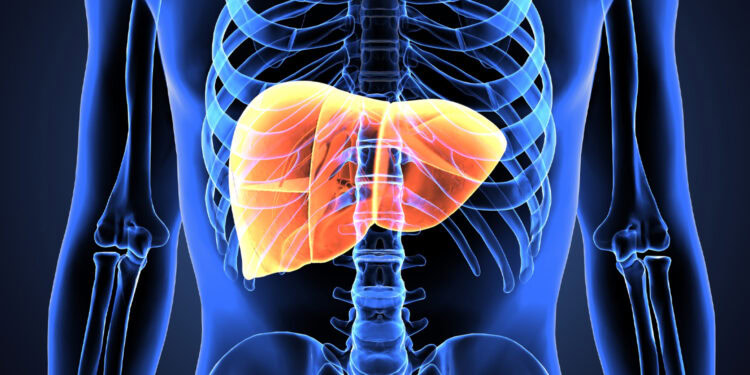
Liver hormone FGF21 may play key role in alcohol use disorder, study suggests
Individuals with alcohol use disorder experience a significantly higher spike in the liver hormone FGF21 after drinking, suggesting this hormone may play a key role in the disorder's development and potential treatment.
Read moreDetails
Alcohol-related imagery disrupts moral processing in the brains of people with alcoholism
A new neuroimaging study has found that people with alcohol use disorder show reduced brain activity when alcohol-related distractions are present.
Read moreDetails
Does your partner’s drinking hurt your mental health? Men may feel it most
A new study published in Personal Relationships explores how perceptions of a romantic partner's drinking habits are related to relationship satisfaction and mental health among young adults.
Read moreDetails
Neurofeedback training enhances emotional skills in alcohol rehabilitation, study finds
A recent study found that adding EEG neurofeedback training to standard alcohol rehabilitation improved emotional competencies and life satisfaction in participants with alcohol use disorder, highlighting its potential as a complementary treatment to enhance rehabilitation outcomes.
Read moreDetails