
Single-dose psilocybin therapy shows promise for reducing alcohol consumption
Early results from a pilot study indicate that psilocybin-assisted therapy could be linked to lower alcohol consumption and improved psychological outcomes, though larger controlled trials are needed to determine whether the psilocybin itself is responsible for these changes.
Read moreDetails
Scientists map how alcohol changes bodily sensations
A new study suggests that people who feel fewer bodily sensations while intoxicated may be at higher risk for alcohol misuse. Using bodily maps and heartbeat tasks, researchers linked internal awareness to physiological effects and subjective feelings of intoxication.
Read moreDetails
Young adults who drink heavily report more romantic highs and lows
A new study of heavy-drinking young adults found that drinking more on a given day was linked to both regretted and positive romantic or sexual experiences. For women, using cannabis alongside alcohol appeared to reduce the likelihood of regret.
Read moreDetails
Alcohol use has particularly negative impact on individuals with ADHD
A new study published in the Journal of Psychiatric Research finds that alcohol harms quality of life more severely in individuals with ADHD. Emotional dysregulation and impulsivity appear to intensify the negative effects of alcohol in this vulnerable group.
Read moreDetails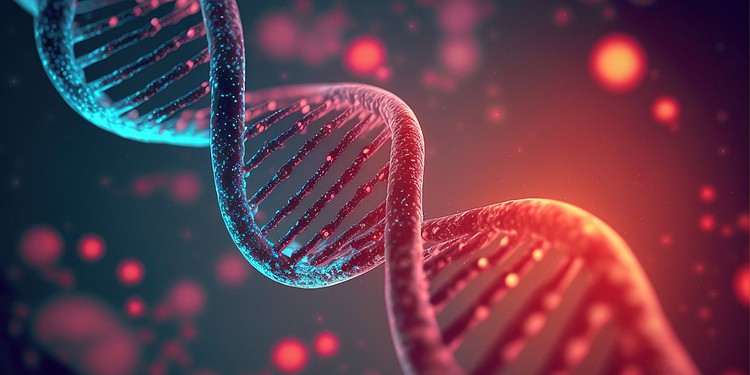
Genetic risk for alcoholism linked to brain immune cell response, study finds
New research shows that microglia—the brain’s immune cells—respond more strongly to alcohol in people with a high genetic risk for alcohol use disorder. The findings offer insight into how inherited factors can shape brain responses to alcohol exposure.
Read moreDetails
Prenatal hormone exposure may shape alcohol drinking habits, new research suggests
The length of your fingers might predict how much alcohol you drink, according to a new study linking prenatal hormone exposure to alcohol use in university students.
Read moreDetails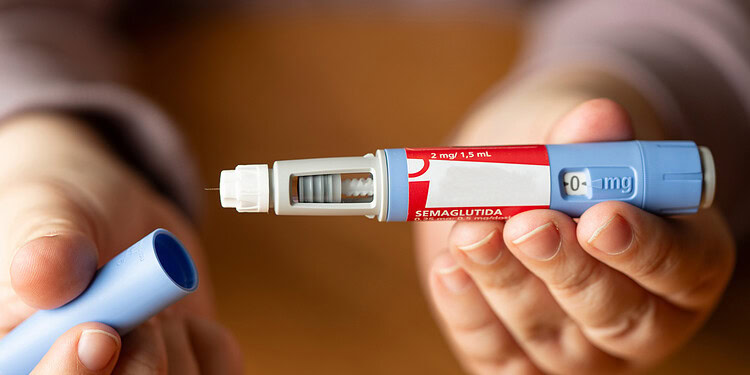
Ozempic may reduce alcohol craving and consumption, new study finds
A small clinical trial finds semaglutide may help people with alcohol use disorder cut back on drinking and reduce cravings.
Read moreDetails
Is drinking together more fun? Study sheds light on the science of shared intoxication
Drinking alcohol in social settings is often more enjoyable, and new research explains why: the positive effects of alcohol are actually amplified when your conversation partner is also under the influence.
Read moreDetails
Mass shootings lead to years of increased alcohol sales in communities
A new study in PNAS Nexus reveals that communities experiencing mass shootings see sustained increases in alcohol sales.
Read moreDetails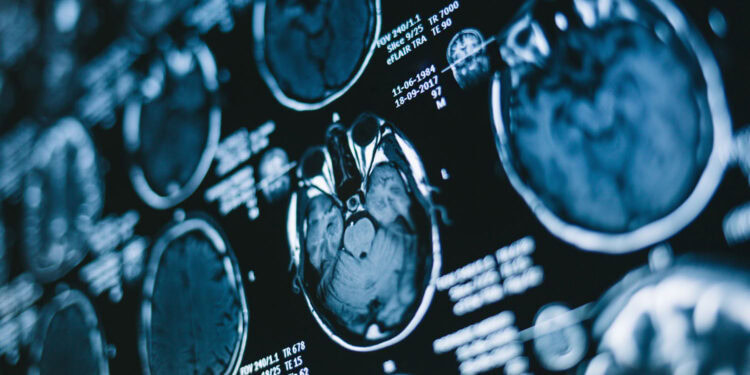
Alcohol use disorder patients show brain structure changes that may underlie emotional distress
A study found that individuals with alcohol use disorder show reduced gray matter in cortical and limbic areas. These brain changes correlate with increased anxiety, depression, and memory deficits.
Read moreDetails
Alcohol’s impact on pain and aggression: New research uncovers a critical link
New research highlights a potential mechanism behind intoxicated aggression.
Read moreDetails
Semaglutide and liraglutide linked to lower alcohol-related hospitalization risk
The use of diabetes drugs semaglutide and liraglutide was associated with fewer hospitalizations for alcohol use disorder compared to approved treatments, suggesting these medications may have potential benefits for managing alcohol-related health issues.
Read moreDetails
Study finds altered brain responses to anticipated threat in individuals with alcohol use disorder
Researchers found increased thalamus-insula connectivity in individuals with alcohol use disorder during unpredictable threats, linked to higher alcohol intake. This suggests heightened threat reactivity may drive excessive drinking.
Read moreDetails
Scientists uncover previously unknown target of alcohol in the brain: the TMEM132B-GABAA receptor complex
A new study has uncovered a critical molecular mechanism behind alcohol's effects on the brain. Researchers found that a previously uncharacterized protein, TMEM132B, amplifies alcohol's influence on GABAA receptors.
Read moreDetails
Alcohol use disorder may exacerbate Alzheimer’s disease through shared genetic pathways
Alzheimer’s disease and alcohol use disorder share similar gene expression changes, including increased inflammation, disrupted brain signaling, and vascular damage, suggesting alcohol use may worsen or accelerate Alzheimer’s progression through shared molecular mechanisms.
Read moreDetails