
High-potency cannabis use leaves a distinct mark on DNA
High-potency cannabis use alters DNA methylation, impacting genes related to energy and immunity. These changes differ in psychosis patients, suggesting DNA markers may help identify users at higher psychosis risk and improve understanding of cannabis's biological effects.
Read moreDetails
CBD shows promise in managing fever and inflammation
A new study has found that cannabidiol (CBD) reduces fever in mice by decreasing pro-inflammatory markers and increasing anti-inflammatory responses, suggesting its potential as an alternative for managing fever and inflammation through immune system modulation.
Read moreDetails
Cannabis and alcohol use patterns linked to couples’ relationship quality
Heavy cannabis users report lower next-day relationship satisfaction when combining cannabis and alcohol. But light cannabis users show no significant change in satisfaction from their own or their partner’s substance use.
Read moreDetails
Cannabis use in early pregnancy not linked to ADHD or behavioral disorders in kids
A recent study found no increased risk of ADHD or disruptive behavior disorders in children by age 11 when mothers used cannabis early in pregnancy, though other maternal and newborn health risks remain.
Read moreDetails
Taking medicinal cannabis oil for insomnia does not impair cognition on the following day
A recent study found that a single dose of medicinal cannabis oil containing 10 mg THC and 200 mg CBD did not significantly impair next-day cognitive function or driving performance in adults with insomnia who infrequently use cannabis.
Read moreDetails
Frequent cannabis users are more likely to miss work
Frequent cannabis use and cannabis use disorder are linked to higher rates of workplace absenteeism, including illness-related absences and skipped workdays, highlighting the need for workplace drug policies and further research on cannabis's impact on job performance.
Read moreDetails
Recreational cannabis laws linked to rise in intimate partner violence
A study found that recreational marijuana legalization is associated with a 20% rise in intimate partner violence.
Read moreDetails
Hemp-derived cannabigerol shows promise in reducing anxiety — and maybe even improving memory
Preliminary research has found that cannabigerol (CBG), a compound from cannabis, reduces anxiety and stress without causing intoxication. It may also improve memory, making it a promising option for anxiety relief without typical cannabis side effects.
Read moreDetails
CBD amplifies THC’s impact instead of mitigating it, new cannabis research reveals
Scientists have found that high doses of cannabidiol (CBD) do not reduce but instead enhance the psychoactive effects of tetrahydrocannabinol (THC), challenging the belief that CBD mitigates THC's adverse effects.
Read moreDetails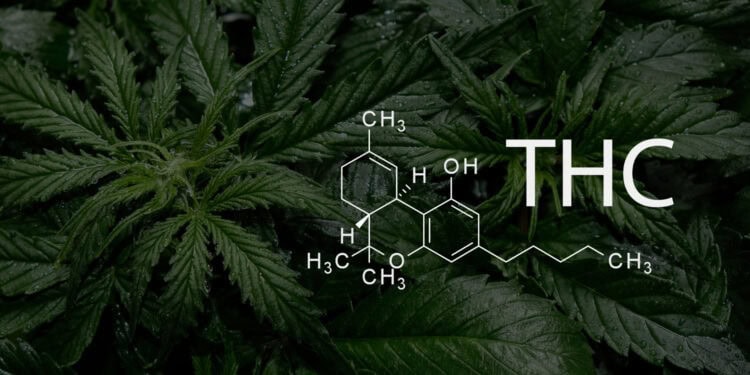
Low-dose long-term administration of cannabis compound reverses brain aging
Researchers found that low-dose, long-term THC treatment in mice reverses brain aging by boosting cognitive function and synapse formation, while also showing anti-aging effects through dual-phase changes in mTOR signaling and metabolism.
Read moreDetails
Cannabis use is associated with psychotic symptoms in between 2% and 21% of users
A recent study found that 2% to 21% of cannabis users experience psychotic symptoms, with higher rates linked to THC. Experimental studies showed the highest rates, while medicinal cannabis studies reported the lowest.
Read moreDetails
Prenatal exposure to CBD and THC is linked to concerning brain changes
A recent study found that prenatal exposure to cannabis components THC and CBD in rodents led to reduced birth size, behavioral changes, and disrupted brain activity, indicating potential long-term neurodevelopmental risks for offspring.
Read moreDetails
Prenatal cannabis exposure linked to changes in brain structure and connectivity
New neuroimaging research reveals brain changes in adolescents exposed to cannabis prenatally, hinting at significant impacts on cognitive functions and mental health.
Read moreDetailsCBD shows promise in reducing PTSD symptoms by targeting brain inflammation
Researchers found that cannabidiol (CBD) significantly reduces PTSD-like symptoms in mice by decreasing brain inflammation through activation of CB2 receptors, suggesting potential new treatments for PTSD by targeting neuroinflammation.
Read moreDetails
New research sheds light on cannabinoids’ impact on anxiety during alcohol withdrawal
New research has found that the timing of cannabinoid use during alcohol withdrawal is key, with cannabinoids increasing anxiety at 4-hour withdrawal but reducing it at 24-hour withdrawal, potentially due to changes in neuroimmune cell activity.
Read moreDetails