
Psilocybin therapy shows similar benefits for patients with and without recent antidepressant use
A new study finds that individuals with treatment-resistant depression experienced similar improvements from psilocybin-assisted psychotherapy whether or not they had recently discontinued antidepressant medications.
Read moreDetails
Ayahuasca entity encounters linked to lasting religious belief changes, especially in men
A new study suggests that vivid encounters with perceived entities during ayahuasca experiences are associated with reduced atheism and increased spirituality, particularly among men. Before the experience, men were less religious—but gender differences disappeared afterward.
Read moreDetails
Psychedelics may buffer against PTSD, finds new study of survivors of Nova music festival massacre
A new study of Nova festival massacre survivors suggests that taking classic psychedelics before the attack was linked to lower anxiety and trauma symptoms weeks later, offering rare insights into how psychedelics may influence trauma memory formation in real-world settings.
Read moreDetails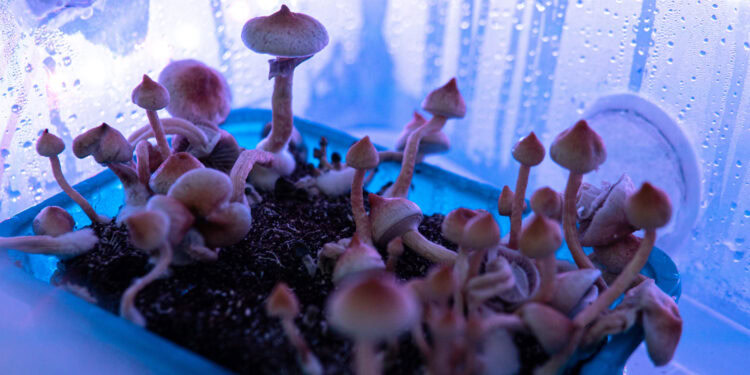
21-year-old man dies after jabbing pencil into his brain during psilocybin trip
A detailed case report describes how a 21-year-old man died from self-inflicted ocular trauma during a bad psilocybin trip. The tragic event illustrates how rare but extreme reactions to psychedelics can lead to fatal outcomes.
Read moreDetails
Only a specific dose of psilocybin induces lasting antidepressant-like effects, study suggests
A recent study found that a single moderate dose of psilocybin produced lasting antidepressant-like effects in rats, while higher doses led to unwanted side effects. The findings highlight the importance of optimal dosing.
Read moreDetails
Psilocybin and escitalopram produce antidepressant effects via distinct brain mechanisms, study suggests
A new study using brain scans found that psilocybin and escitalopram reduce depression symptoms through different neural mechanisms. While escitalopram dampened emotional brain activity, psilocybin preserved or slightly increased it, suggesting distinct pathways to recovery.
Read moreDetails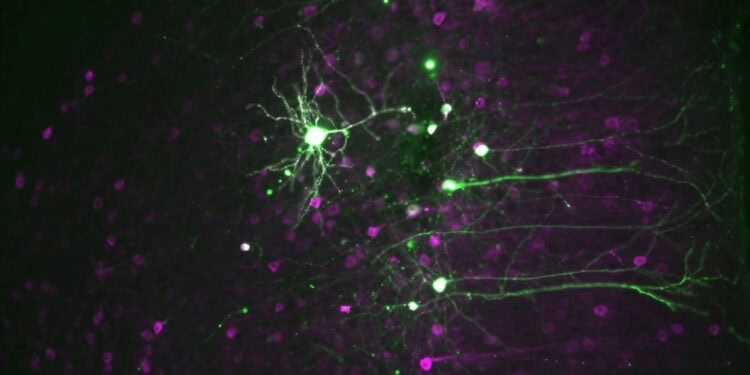
Psychedelic’s anti-anxiety effects can be separated from hallucinations by targeting specific brain circuits
A mouse study published in Science shows that stimulating a specific set of brain cells activated by a psychedelic drug can reduce anxiety without triggering hallucination-like behavior, pointing to new possibilities for targeted mental health treatments.
Read moreDetails
New study sheds light on which post-psychedelic difficulties last longest and what helps people cope
While many praise psychedelics for their therapeutic power, new research reveals that some users face long-lasting psychological challenges. This study explores the most common difficulties and the coping strategies people turn to for support and recovery.
Read moreDetails
Inhaled DMT produces rapid and lasting antidepressant effects in treatment-resistant depression
Vaporized DMT produced fast and lasting improvements in depression symptoms and suicidal ideation, according to a new phase 2a trial, highlighting its potential as a scalable, non-invasive alternative to conventional and long-acting psychedelic treatments for severe depression.
Read moreDetails
Single dose of 5-MeO-DMT alters gene expression in brain and reduces anxiety-like behavior in stressed mice
New findings reveal that 5-MeO-DMT, a fast-acting psychedelic, can change brain gene activity and reduce anxiety-related behavior in stressed mice, offering promising insights into its lasting effects and potential use in treating anxiety disorders.
Read moreDetails
Psychedelic experiences linked to long-term improvements in psychological flexibility, study finds
French researchers surveyed hundreds of psychedelic users and found that mystical experiences predicted lasting improvements in psychological flexibility. These findings shed light on how psychedelics might promote emotional resilience by disrupting rigid thinking patterns and encouraging openness to experience.
Read moreDetails
Scientists reveal how DMT alters brain activity and consciousness by lowering control energy
A new study used fMRI and EEG to show that DMT reduces the energy needed for the brain to shift between activity states. These changes tracked with increased signal complexity and were strongest in regions rich in serotonin 2a receptors.
Read moreDetails
Psychedelics linked to religious disaffiliation—but not spiritual change—in large-scale study
Psychedelics are often described as spiritual tools—but do they change people’s religious beliefs? A large new study found that while psychedelic use was associated with religious disaffiliation, it did not cause lasting changes in religiosity or spirituality over time.
Read moreDetails
A single dose of psilocybin might help reduce symptoms in treatment-resistant depression
A new open-label study suggests that a single dose of psilocybin, combined with psychological support, may reduce symptoms in people with severe treatment-resistant depression. Improvements were sustained for up to 12 weeks, although effects were weaker in those with PTSD.
Read moreDetails
Psilocybin use has surged in the United States since 2019
Psilocybin use has surged across the U.S. in recent years, with the biggest increases seen among adults with depression, anxiety, and chronic pain.
Read moreDetails