Regular psychedelic users exhibit different brain responses to self-related thoughts, study finds
A new study suggests that regular users of psychedelics may process self-related thoughts differently at both psychological and brain levels, revealing altered patterns of brain activity during self-reflection compared to non-users who intend to try psychedelics.
Read moreDetails
Study links moderate awe in psychedelic ayahuasca journeys to better well-being
A new study published in the Journal of Psychoactive Drugs suggests that while awe can be transformative during ayahuasca retreats, there’s a limit. Experiences marked by excessive vastness were linked to lower well-being, challenging assumptions about awe’s universal benefits.
Read moreDetails
Study links psychedelic use in illegal settings to increased psychotic and manic symptoms
New research suggests that naturalistic psychedelic use may worsen psychotic and manic symptoms when used in illegal settings. People with schizophrenia or bipolar I disorder appeared especially vulnerable to these effects, highlighting the importance of context and psychiatric background.
Read moreDetails
Psilocybin-assisted therapy linked to reduced depression in people with bipolar disorder, small study finds
A pilot study involving psilocybin-assisted therapy found possible antidepressant effects for people with bipolar II disorder. The treatment appeared well-tolerated, with no signs of mania or psychosis, offering cautious optimism for future bipolar depression research.
Read moreDetails
Single-dose psilocybin therapy shows promise for reducing alcohol consumption
Early results from a pilot study indicate that psilocybin-assisted therapy could be linked to lower alcohol consumption and improved psychological outcomes, though larger controlled trials are needed to determine whether the psilocybin itself is responsible for these changes.
Read moreDetails
Psilocybin induces large-scale brain network reorganization, offering insights into the psychedelic state
A new study using high-resolution EEG reveals that psilocybin dramatically alters brain connectivity in rats. The psychedelic induced dose-dependent changes in network organization, disrupting normal patterns of neural communication and suggesting rodents may be viable models for studying altered consciousness.
Read moreDetails
Flipping two atoms in LSD turned it into a powerful treatment for damaged brain circuits
A new study introduces JRT, a modified version of LSD that promotes brain cell growth without triggering hallucinations. Researchers say this non-hallucinogenic compound could offer safer treatment options for schizophrenia and related brain disorders where psychedelics are typically contraindicated.
Read moreDetails
Psychedelic experiences can both cause and resolve spiritual struggles, study suggests
A new study has found that people frequently described both relief from spiritual tension and the emergence of new spiritual struggles following psychedelic use.
Read moreDetails
Psilocybin therapy shows similar benefits for patients with and without recent antidepressant use
A new study finds that individuals with treatment-resistant depression experienced similar improvements from psilocybin-assisted psychotherapy whether or not they had recently discontinued antidepressant medications.
Read moreDetails
Ayahuasca entity encounters linked to lasting religious belief changes, especially in men
A new study suggests that vivid encounters with perceived entities during ayahuasca experiences are associated with reduced atheism and increased spirituality, particularly among men. Before the experience, men were less religious—but gender differences disappeared afterward.
Read moreDetails
Psychedelics may buffer against PTSD, finds new study of survivors of Nova music festival massacre
A new study of Nova festival massacre survivors suggests that taking classic psychedelics before the attack was linked to lower anxiety and trauma symptoms weeks later, offering rare insights into how psychedelics may influence trauma memory formation in real-world settings.
Read moreDetails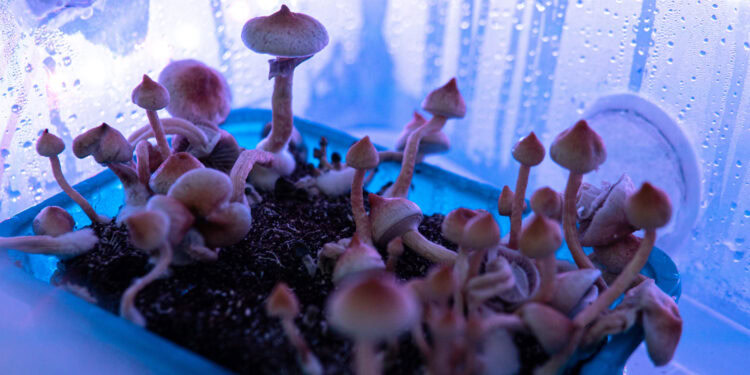
21-year-old man dies after jabbing pencil into his brain during psilocybin trip
A detailed case report describes how a 21-year-old man died from self-inflicted ocular trauma during a bad psilocybin trip. The tragic event illustrates how rare but extreme reactions to psychedelics can lead to fatal outcomes.
Read moreDetails
Only a specific dose of psilocybin induces lasting antidepressant-like effects, study suggests
A recent study found that a single moderate dose of psilocybin produced lasting antidepressant-like effects in rats, while higher doses led to unwanted side effects. The findings highlight the importance of optimal dosing.
Read moreDetails
Psilocybin and escitalopram produce antidepressant effects via distinct brain mechanisms, study suggests
A new study using brain scans found that psilocybin and escitalopram reduce depression symptoms through different neural mechanisms. While escitalopram dampened emotional brain activity, psilocybin preserved or slightly increased it, suggesting distinct pathways to recovery.
Read moreDetails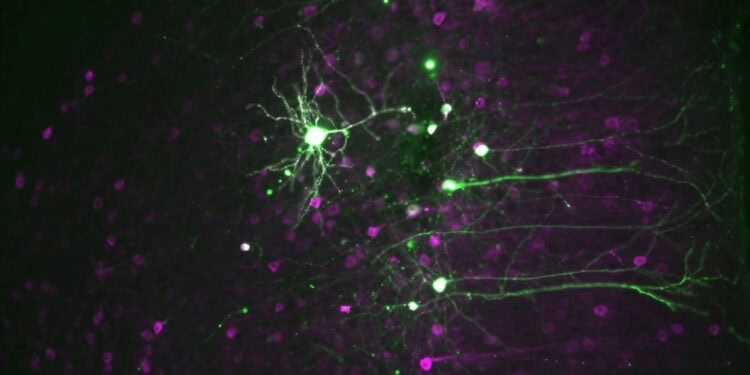
Psychedelic’s anti-anxiety effects can be separated from hallucinations by targeting specific brain circuits
A mouse study published in Science shows that stimulating a specific set of brain cells activated by a psychedelic drug can reduce anxiety without triggering hallucination-like behavior, pointing to new possibilities for targeted mental health treatments.
Read moreDetails