
Worry and rumination identified as key cognitive factors in addictive social media use
Psychological distress is associated with problematic social media use, with extended thinking patterns like worry, rumination, and desire thinking potentially playing a significant role in this relationship and contributing to increased cravings for social network use.
Read moreDetails
Addiction-prone individuals excel at generating creative ideas but struggle with selecting the best ones
A study found that people with addiction-prone personalities are good at coming up with ideas but have trouble choosing the best ones.
Read moreDetails
The potential psychological harm of being labeled as “addicted” to pornography
Labeling oneself as addicted to pornography is linked to higher relationship strain and communication difficulties, even after accounting for compulsive behavior. This suggests the stigma of the "addiction" label might harm relationships.
Read moreDetails
Over 80% of inpatients with alcohol use disorder report persistent pain
A study has found that over 80% of individuals seeking treatment for alcohol use disorder experience significant pain, linked to childhood trauma, PTSD, and heavy drinking, suggesting a need for better pain management in addiction treatment programs.
Read moreDetails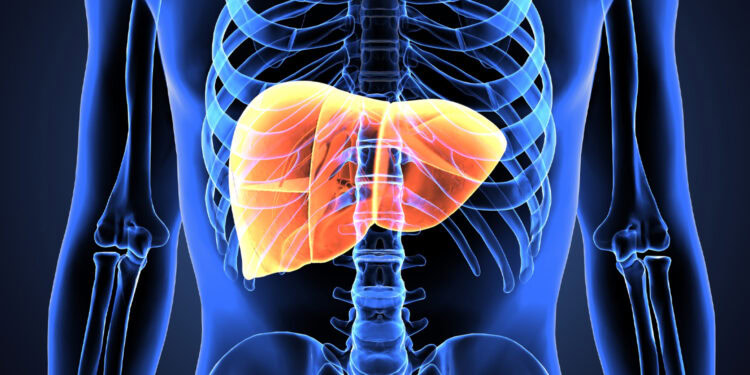
Liver hormone FGF21 may play key role in alcohol use disorder, study suggests
Individuals with alcohol use disorder experience a significantly higher spike in the liver hormone FGF21 after drinking, suggesting this hormone may play a key role in the disorder's development and potential treatment.
Read moreDetails
Meta-analysis provides insight into disrupted brain networks in behavioral addictions
People with behavioral addictions show abnormal brain connectivity, with disrupted communication in networks responsible for attention, emotional regulation, and reward processing, potentially explaining difficulties in controlling addictive behaviors.
Read moreDetails
Alcohol-related imagery disrupts moral processing in the brains of people with alcoholism
A new neuroimaging study has found that people with alcohol use disorder show reduced brain activity when alcohol-related distractions are present.
Read moreDetails
Violent pornography viewers show higher rates of sexual aggression, sexism, and psychopathy
Men who frequently watch violent pornography are more likely to show sexual aggression, accept harmful myths about rape, display hostility toward women, and struggle with emotional regulation, compared to those who watch less or nonviolent content, according to new research.
Read moreDetails
Does your partner’s drinking hurt your mental health? Men may feel it most
A new study published in Personal Relationships explores how perceptions of a romantic partner's drinking habits are related to relationship satisfaction and mental health among young adults.
Read moreDetails
Neurofeedback training enhances emotional skills in alcohol rehabilitation, study finds
A recent study found that adding EEG neurofeedback training to standard alcohol rehabilitation improved emotional competencies and life satisfaction in participants with alcohol use disorder, highlighting its potential as a complementary treatment to enhance rehabilitation outcomes.
Read moreDetails
Addiction study reveals distinct cognitive mechanisms behind different behaviors
A new study suggests that different types of addictive behaviors are driven by distinct cognitive processes, challenging the idea of a universal neurocognitive profile for all addictions and suggesting the need for tailored treatment approaches.
Read moreDetails
Porn addiction: Are your habits problematic? This test can tell you
A scientifically-validated psychological scale can help determine if your pornography habits are crossing the line into problematic territory.
Read moreDetails
Insecure attachment to fathers linked to increased mental health issues and alcohol use
Adolescents with insecure attachment to their fathers are more likely to develop internalizing and externalizing mental health symptoms, which can lead to increased alcohol use. Attachment to mothers did not show a similar association with these outcomes.
Read moreDetails
Problematic pornography use linked to negative body image in men
Problematic pornography use is associated with increased body comparisons among men, which in turn is linked to more negative body image, according to a new study. But frequency of use alone did not show the same connection.
Read moreDetails
Stress triggers different brain responses in women and men with alcohol use disorder
Acute social-evaluative stress increases anxiety and activates stress-related brain regions in individuals with alcohol use disorder, with women showing higher baseline stress and greater amygdala activation than men.
Read moreDetails