
Emotional recognition difficulties may stem more from alexithymia than autistic traits
People with higher autistic traits struggled to recognize emotions in human faces, but not in anime faces. However, this difficulty was fully explained by alexithymia.
Read moreDetails
Why people with autism struggle to get hired
New research shows that social behaviors often misunderstood by interviewers can overshadow qualifications, leading to unfair hiring decisions.
Read moreDetails
Scientists should repeat more studies, but not those looking for a link between vaccines and autism
Calls to revisit the discredited vaccine-autism claim miss the mark, but they raise an important question: how reliable is scientific research if it’s rarely replicated?
Read moreDetails
Brain imaging method detects genetic markers of autism with over 90% accuracy
Scientists have found a way to spot genetic risk for autism by analyzing brain scans, moving closer to earlier, objective diagnosis based on brain structure.
Read moreDetails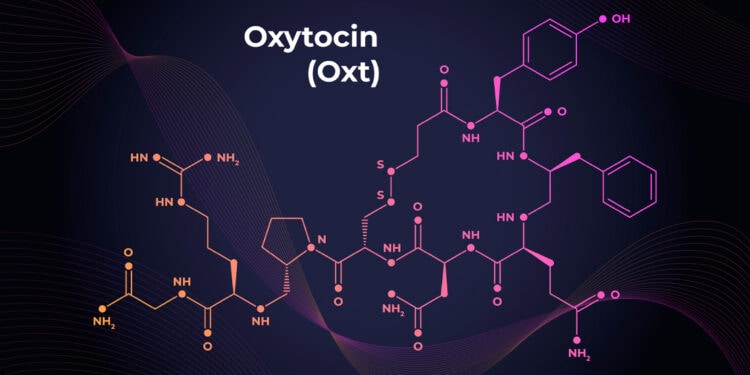
Could oxytocin nasal spray help children with autism by making faces less overwhelming?
Oxytocin nasal spray may lower social stress in autism by dampening face-related brain activity, researchers report.
Read moreDetails
New study finds online self-reports may not accurately reflect clinical autism diagnoses
A new study finds online self-reports of autistic traits may not reflect the same behaviors or diagnoses as those confirmed by clinical evaluation
Read moreDetails
Reduced male hormone exposure may be linked to autism-like traits in males, study suggests
Lower exposure to male hormones during development may be linked to autism-associated traits in males, researchers report.
Read moreDetails
Mentalizing skills drive teen storytelling ability more than autism diagnosis
Teenagers' storytelling hinges on understanding others' minds, more than autism diagnosis, a new study reveals. Mentalizing skills are key for both structure and coherence.
Read moreDetails
Scientists just discovered a key connection between face processing and intelligence
Recent research found that face processing abilities form a general factor, are positively linked to intelligence, and negatively associated with autistic-like traits.
Read moreDetails
Brain connectivity deviations linked to social challenges in boys with autism
Scientists have developed a new method to understand autism by studying individual variations in brain connectivity.
Read moreDetails
Psychedelic use linked to reduced distress, increased social engagement in autistic adults
Can psychedelics help autistic adults? A new study reveals some report benefits like reduced anxiety and better social connection, but also highlights potential downsides.
Read moreDetails
People with autistic traits show reduced attentional bias towards animals
People with lower autistic traits pay more attention to images of animals than objects, while those with higher autistic traits do not. This suggests a link between our ability to quickly spot living creatures and our broader social skills.
Read moreDetails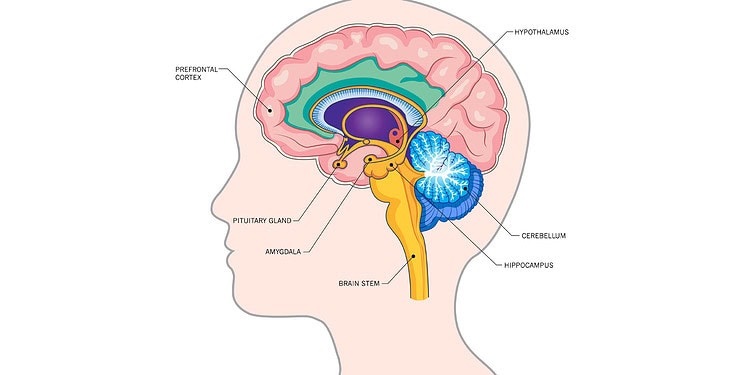
Large-scale neuroimaging study finds no evidence of atypical amygdala connectivity in autism
A large-scale neuroimaging study found no evidence of atypical functional connectivity in the amygdala of individuals with autism, challenging previous hypotheses. Results suggest amygdala connectivity differences may not be a core feature of autism.
Read moreDetails
New neuroscience research sheds light on distinct patterns of learning and generalization in autistic adults
Adults with autism learn visual categories more slowly and struggle to generalize to new shapes. These differences stem from unique brain activity during feedback processing, highlighting distinct ways they process information and adapt to new situations.
Read moreDetails
Physically inactive children have higher rates of depression and anxiety, study finds
Physically active children, including those with autism or ADHD, exhibit significantly lower rates of anxiety and depression compared to their inactive peers.
Read moreDetails