
Harsh parenting predicts teenage depression and aggression through different types of repetitive thinking
A three-year study of Chinese adolescents reveals how harsh discipline shapes mental health. Researchers found that repetitive thoughts about sadness and anger act as pathways linking strict parenting to later depression and aggressive behavior.
Read moreDetails
Psilocybin reverses depressive behaviors and restores brain cell growth in stressed rats
Two low doses of psilocybin helped chronically stressed rats recover their ability to experience pleasure while reducing anxiety. The psychedelic compound also promoted the birth of new neurons and normalized stress hormone levels.
Read moreDetails
Early depressive symptoms forecast changes in visual attention among at-risk youth
Does focusing on negative information lead to depression in kids? A new study suggests the reverse: developing depressive symptoms actually predicts changes in how youth view emotional faces, depending on their family history of depression.
Read moreDetails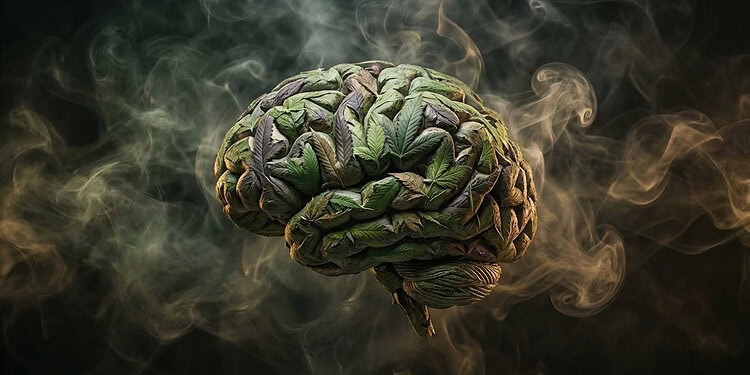
Study suggests even casual cannabis use is associated with depression in older adults
New research indicates that roughly 5 percent of adults over 50 experience major depression. The study also links casual cannabis use to higher odds of depression, highlighting a growing need for proactive mental health screening.
Read moreDetails
Depression may speed up cognitive decline by increasing social isolation
A large study of older adults in China suggests that depression can lead to a decline in memory and thinking skills by causing people to withdraw from their social circles, highlighting a potential pathway to protect aging brains.
Read moreDetails
Caffeine might ease anxiety and depression by calming brain inflammation
A systematic review of animal research suggests that caffeine can reduce anxiety and depressive-like behaviors by acting as a brake on the brain's immune system and lowering neuroinflammation.
Read moreDetails
Brains of teens with depression remain on high alert to social rejection
Teens with depression show unique brain patterns when facing social rejection. A recent brain imaging study reveals that their amygdala fails to adapt to repeated social threats, keeping them on high alert during difficult peer interactions.
Read moreDetails
Early antidepressant use is linked to higher levels of sexual boredom
People using common antidepressants for up to two years report higher levels of general and sexual boredom than non-users. This hidden side effect could explain why some patients struggle to stick with their mental health treatments over time.
Read moreDetails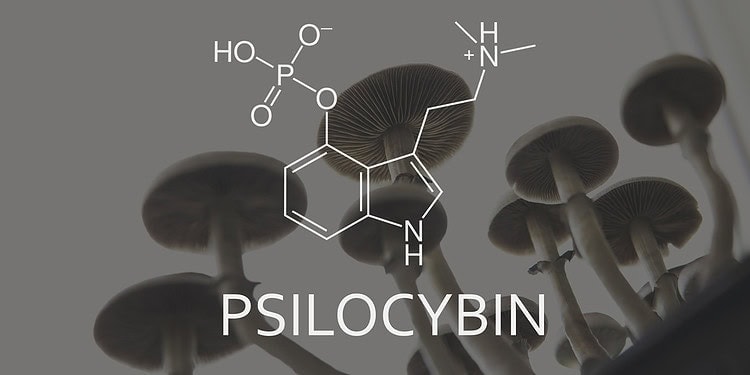
Psychedelic drug calms hyperactive brain cells linked to chronic pain
A single dose of psilocybin rapidly relieved both chronic pain and depression-like symptoms in mice. Researchers discovered the psychedelic compound works by calming hyperactive neurons in a specific brain region associated with both conditions.
Read moreDetails
Cognitive abilities help explain regional brain aging patterns in anxiety and depression
A new study suggests that the advanced brain aging often seen in people with anxiety and depression is partly explained by differences in cognitive skills like memory and processing speed, rather than the psychiatric conditions alone.
Read moreDetails
Fear of missing out on AI is linked to anxiety and depression
A new study finds that as artificial intelligence advances, the fear of falling behind is creating a measurable psychological burden. Fortunately, building practical competence with these new digital tools can help protect your mental health.
Read moreDetails
A fast-acting psychedelic shows promise for postpartum depression
A new clinical trial suggests that a single day of treatment with the inhaled psychedelic mebufotenin can rapidly relieve severe symptoms of postpartum depression, offering a potential alternative to daily medications.
Read moreDetails
How specific masculine ideals are linked to anxiety and depression in men
A survey of adult men reveals that strict adherence to certain traditional masculine ideals, like extreme self-reliance, is linked to an inability to process emotions, which corresponds to higher rates of anxiety and depression.
Read moreDetails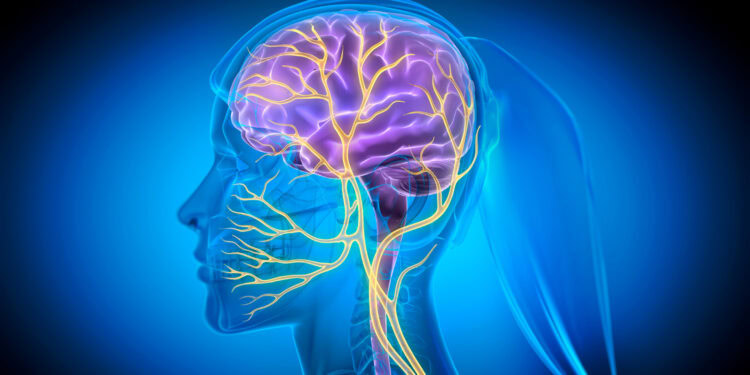
Zapping the ear’s vagus nerve might boost motivation efficiency in severe depression
A new study suggests that delivering mild electrical pulses to the ear can help people with severe depression better judge when a task is worth the physical effort, reducing the amount of energy they waste on unrewarding choices.
Read moreDetails
New study suggests anxiety symptoms drive the physical stress markers linked to depression
Physical feelings of anxiety tend to predict chronic stress markers better than depression symptoms, suggesting that past research linking depression to body strain may have picked up on hidden anxiety instead.
Read moreDetails