
Race and ethnicity appear to play an important a role in the link between psychedelic use and mental health outcomes
New research has found that race and ethnicity moderate the associations between the use of psychedelic drugs and major depressive episodes in a large, nationally representative sample of U.S. adults. The findings have been published in the Journal of Psychopharmacology.
Read moreDetails
A single, moderate dose of psilocybin reduces depressive symptoms for at least two weeks, controlled study finds
A single dose of the psychedelic drug psilocybin combined with supportive counseling leads to significant reductions in depressive symptoms, according to a new double-blind, placebo-controlled study. The findings have recently been published in eClinicalMedicine.
Read moreDetails
A combination of severe depression and conspiratorial beliefs is strongly associated with support for the January 6 riot, study finds
In a series of two studies, researchers examined the relationship between conspiracy beliefs and depression. Their findings indicate that depression is positively associated with conspiracy beliefs. Additionally, a combination of severe depression and conspiratorial beliefs was found to be strongly...
Read moreDetailsFacebook addiction increases depression severity among people who are already depressed
A longitudinal study found that the addictive use of Facebook can increase depression severity among people diagnosed with depression. The findings suggest that overuse of Facebook can diminish a person’s sense of self-worth. The study was published in Computers in Human...
Read moreDetails
A single dose of psilocybin improves depression in treatment-resistant patients, but with adverse effects
A recent study published in the New England Journal of Medicine suggests that psilocybin therapy may offer therapeutic benefits for patients with treatment-resistant depression. When administered alongside psychological support, a 25 mg psilocybin dose reduced depression scores among treatment-resistant patients. However,...
Read moreDetails
Ketamine paired with looking at smiling faces to build positive associations holds promise in treating depression
Simple computer exercises using positive words and images designed to boost self-worth can prolong the antidepressant effects of ketamine in people with depression.
Read moreDetails
People suffering from depression have lower connectivity in brain regions linked to reward processing, study finds
A new neuroimaging study found reduced activation of several regions of the brain that process rewards during a task in which depressed participants expected to be rewarded. These regions include ventral striatum, anterior cingulate cortex/medial prefrontal cortex, anterior cingulate gyrus,...
Read moreDetails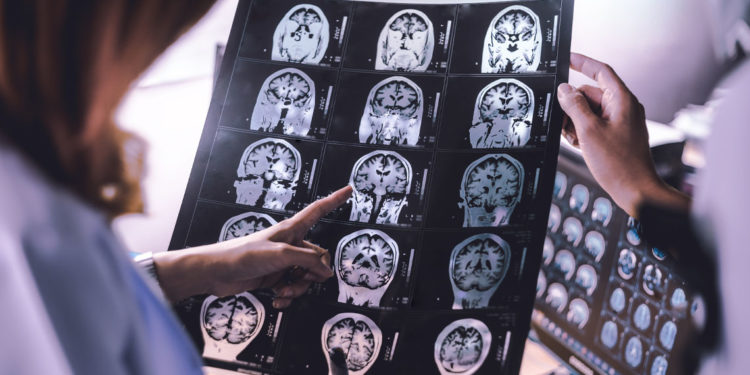
Large-scale brain lesion study identifies networks linked to greater risk or resiliency for depression symptoms
New research has mapped lesions to specific brain regions to risk of depressive symptoms. The findings, published in the journal Brain, suggest that two brain networks might be important targets for new therapies to treat depression.
Read moreDetails
New study finds alterations in the brain’s white matter in children with depression
A 17-year neuroimaging study of persons diagnosed with depression as children found differences in white matter in the dorsal cingulum bundle region of the brain compared to persons without depression of similar age. The emergence of these differences was first...
Read moreDetails
Walking in nature decreases negative feelings among those diagnosed with major depressive disorder
A study published in the Journal of Affective Disorders investigated the relationship between walking in nature and emotional affect in those with major depressive disorder (MDD). Compared to urban settings, walking in nature successfully lowered levels of negative affect in...
Read moreDetails
New study finds depression decreases cognitive control in both emotional and neutral settings
Findings indicate that depression results in difficulties in cognitive control in both emotional and neutral tasks. However, when tasks were emotional, subjects experienced a greater struggle with cognitive control than in neutral tasks. In this condition, managing attention became the...
Read moreDetails
New longitudinal research highlights how grave the effects of childhood trauma can be for anxiety and depression
Childhood trauma is well-known to have adverse effects on mental health into adulthood, but the nuances of these outcomes are not well understood. A study published in the Journal of Affective Disorders explores how childhood trauma impacts specific aspects of...
Read moreDetails
Dissociative symptoms are common among individuals with depression, study finds
“Dissociating” has become an internet buzzword, but what does it mean and how common is it really? A study published in the Journal of Psychiatric Research suggests that this mental disconnect may be very common among people with depressive symptoms.
Read moreDetails
Amygdala connectivity predicts ketamine treatment response among patients with anxious depression
A brain region known as the amygdala could play a key role in predicting symptom improvement following ketamine therapy in patients with treatment-resistant anxious depression, according to new research published in the Journal of Affective Disorders.
Read moreDetails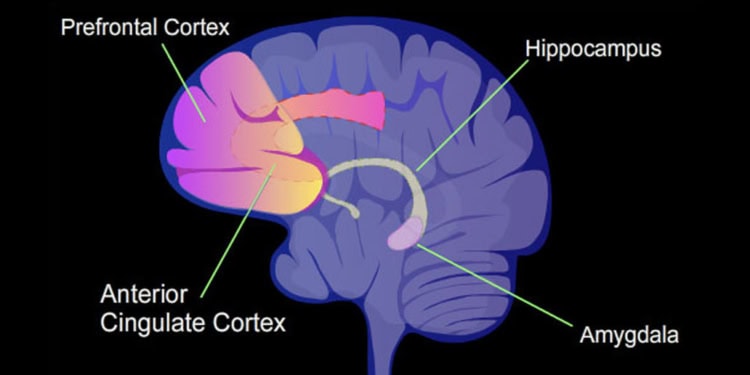
Highly ruminative individuals with depression exhibit abnormalities in the neural processing of gastric interoception
Major depressive disorder is associated with altered interoception -- or the ability to sense the internal state of your body. Now, new brain imaging research provides evidence that depressed individuals tend to exhibit "faulty" neural processing of gastric interoception, particularly...
Read moreDetails