High-intensity exercise isn’t just good for your muscles — it might also be the key to keeping your brain sharp as you age. A new study from the University of Queensland has found that older adults who engage in high-intensity interval training (HIIT) can boost their cognitive function, and what’s more, these benefits can last for up to five years. The study, published in the journal Aging and Disease, is one of the first to show that exercise doesn’t merely delay cognitive decline — it can actively improve cognitive performance in healthy older adults.
Led by Emeritus Professor Perry Bartlett and Daniel Blackmore from the Queensland Brain Institute, the study involved participants aged 65 to 85 who undertook a carefully controlled exercise regimen. After six months of HIIT, these participants showed improvements in brain function, which were maintained for years afterward. As Bartlett put it, “Six months of high-intensity interval training is enough to flick the switch.”
Aging comes with a natural decline in many aspects of our health, and cognitive function is no exception. With over 130 million people worldwide predicted to suffer from dementia by 2050, finding ways to delay, slow, or even reverse age-related cognitive decline is crucial. Current research suggests that lifestyle factors, particularly physical activity, could play a significant role in maintaining cognitive health.
While many studies have focused on preventing cognitive decline, the University of Queensland researchers wanted to explore whether exercise could actively improve cognitive function in older adults who are still healthy. They were particularly interested in how different intensities of exercise might impact the brain’s structure and function.
The researchers implemented a rigorous six-year study involving 194 participants aged between 65 and 85. These participants were randomly assigned to one of three exercise groups: low-intensity training, moderate-intensity training, or HIIT.
The study’s exercise regimen was structured so that participants in the HIIT group engaged in short bursts of intense exercise, reaching 85-95% of their peak heart rate, followed by periods of lower intensity recovery, three times a week for six months. This was contrasted with continuous, less intense exercise in the moderate-intensity training group and even gentler exercises in the low-intensity group.
To measure cognitive changes, the researchers used a battery of tests, administered monthly, that were designed to assess various aspects of brain function, with a particular emphasis on the hippocampus-dependent task known as paired associated learning (PAL). This task is a robust measure of spatial memory, which tends to decline with age.
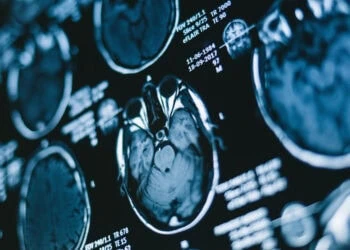
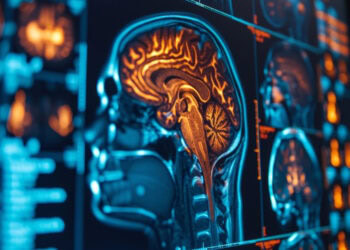
In addition to cognitive testing, the researchers performed brain scans on a subset of participants before and after the exercise intervention, as well as six months later, to observe any changes in brain structure, particularly in the hippocampus. Monthly blood samples were also collected to analyze changes in biomarkers that could be associated with cognitive function.
The HIIT group showed improvements in the PAL task, indicating enhanced hippocampal function. These improvements were also long-lasting, with the HIIT group retaining their cognitive gains for up to five years after the initial six-month exercise intervention. In contrast, the groups engaged in lower-intensity exercises did not exhibit the same level of cognitive improvement, suggesting that the intensity of the exercise played a key role in driving these benefits.
“In earlier pre-clinical work, we discovered exercise can activate stem cells and increase the production of neurons in the hippocampus, improving cognition,” Bartlett explained. “In this study, a large cohort of healthy 65 – 85-year-old volunteers joined a six-month exercise program, did biomarker and cognition testing and had high-resolution brain scans. We followed up with them 5 years after the program and incredibly they still had improved cognition, even if they hadn’t kept up with the exercises.”
In addition to cognitive enhancements, the HIIT group also demonstrated a stabilization of hippocampal volume. This is particularly noteworthy as the hippocampus is known to shrink with age, a process associated with cognitive decline. The researchers found that while participants in the lower-intensity exercise groups experienced a decrease in hippocampal volume over time, those in the HIIT group did not, suggesting that high-intensity exercise might help protect this region of the brain from age-related atrophy.
Furthermore, the study revealed that HIIT also led to increased functional connectivity between different brain networks. This was particularly evident in networks associated with attention and motor function, which were strengthened in the HIIT group. These changes in brain connectivity were linked to the observed improvements in cognitive function, providing a potential explanation for how HIIT might be enhancing brain health in older adults.
“On high-resolution MRI scans of that group, we saw structural and connectivity changes in the hippocampus, the area responsible for learning and memory,” Blackmore said. “We also found blood biomarkers that changed in correlation to improvements in cognition. Biomarkers can be useful in predicting the effectiveness of the exercise a person is doing.”
While the study provides compelling evidence that high-intensity interval training can benefit cognitive function in older adults, it also has limitations. One of the main limitations is that the study only included healthy older adults who were capable of participating in a demanding exercise regimen. This raises the question of whether similar benefits would be observed in older adults who are less physically fit or who have pre-existing health conditions.
Future research could explore these questions by including a broader range of participants and comparing different types of exercise. The researchers also suggested that further studies should investigate the underlying mechanisms of these cognitive improvements, particularly the role of biomarkers such as brain-derived neurotrophic factor (BDNF) and cortisol, both of which were found to be linked to cognitive performance in the HIIT group.
“Our finding can inform exercise guidelines for older people and further research could assess different types of exercise that could be incorporated into aged care,” Blackmore said. “We are now looking at the genetic factors that may regulate a person’s response to exercise to see if we can establish who will and who will not respond to this intervention. The use of biomarkers as a diagnostic tool for exercise also needs further research.”
The study, “Long-Term Improvement in Hippocampal-Dependent Learning Ability in Healthy, Aged Individuals Following High-Intensity Interval Training,” was authored by Daniel G. Blackmore, Mia A. Schaumberg, Maryam Ziaei, Samuel Belford, Xuan Vinh To, Imogen O’Keeffe, Anne Bernard, Jules Mitchell, Emily Hume, Grace L. Rose, Thomas Shaw, Ashley York, Markus Barth, Elizabeth J. Cooper, Tina L. Skinner, Fatima Nasrallah, Stephan Riek, and Perry F. Bartlett.