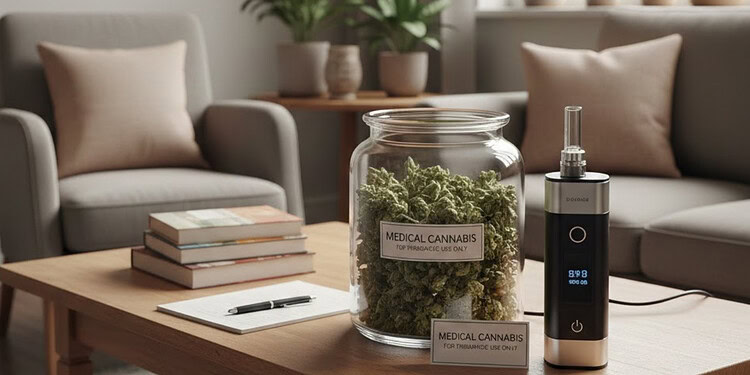

Attention Deficit Hyperactivity Disorder (ADHD) is an increasingly common diagnosis in the UK. Estimates vary, but most say around 1% to as high as 3% of the population are affected by it. This neurobehavioural disorder is characterised by issues with concentration and attention, which can affect sleep and general energy levels, as well as causing anxiety dealing with everyday life in the modern world.
Currently, the most prescribed treatment for ADHD is stimulant medicines like Ritalin. But these drugs are expensive, costing the NHS millions, and can have unwanted side effects. Increasingly, adults in the UK are seeking out medical cannabis as an alternative treatment for their symptoms. But, does it really work? And what’s the evidence? This article will attempt to explain some of the answers to those complicated questions, so you know what you’re getting into if you’re considering it for yourself.
Patients are Being Prescribed it Right Now in the UK, and Reporting Benefits
Medical cannabis is not an NHS registered medicine for ADHD. But, many of the symptoms it causes are on the list of ailments that medical cannabis can be legally prescribed for some private clinics. They include:
- Anxiety
- Sleep disturbance or insomnia
- Emotional dysregulation
- Restlessness
- Irritability
- Impulsivity
- Racing thoughts
- Chronic stress
One recent UK study of medical cannabis patients from the think tank Drug Science found that a large majority of patients saw improvements with their anxiety and sleep after three months of medical cannabis treatment.
The bottom line is thousands of patients across the country are right now treating with medical cannabis for ADHD symptoms from trusted private clinics, and reporting significant benefits to quality of life from it.
The Science Behind Medical Cannabis as an ADHD Treatment
So, if this is the case, why isn’t medical cannabis prescribed more widely in the UK? And, what is the science behind why it works?
Well, these two questions are actually intimately related. As a general overview, medical cannabis works for treating a range of symptoms rather than the root cause of ADHD. THC and CBD, the main compounds (called cannabinoids) in the cannabis flower and derived medicines, interacts with the body’s endocannabinoid system (ECS).
The ECS is somewhat like a system modulator, that promotes hormone release to stimulate various bodily functions and feelings. Simplifying here, but ADHD is associated with deregulation of the reward system hormone dopamine. Dopamine is very much involved with the ECS, and the two work together on attention, motivation and executive function.
Small scale studies of brain activity have shown that THC may lessen hyperactivity, which makes sense as it is a known sedative, while other clinical studies have demonstrated CBD helps reduce and anxiety and regulate emotional swings.
On the patient-reported data side of things, the evidence is overwhelmingly positive. In one of the largest studies of British medical cannabis patients, published in 2025, 84% of patients with anxiety, including some specifically with ADHD, reported their treatment was extremely or very effective. Under 1% reported not effective at all.
What Medical Cannabis Isn’t and What are the Risks?
The problem is, despite the spread of legal medical cannabis in many countries, its widely illegal status internationally means randomized control trials in clinical settings remain scarce.
This is a major part of the reason why NICE, the NHS’ medicines’ regulator, refuses to prescribe it in all but the rarest cases of severe epilepsy in children. The argument is more clinical evidence is needed across a diverse range of potential patients, not just those who seek it out, and it is also needs to be compared in placebo trials under constant monitoring.
NICE and their advocates also points to studies that dispute medical cannabis’ efficacy in treating anxiety, of which there are some. They also point out the commonly known risks and side effects of cannabis use.
However, many of these, such as short term paranoia, sleepiness and dry mouth, are actually much reduced when prescribed through a clinician approved treatment plan. And that has been confirmed in patient-led studies.
Critics of NICE’s policy include former senior government drug policy advisor and pharmacology professor David Nutt. He, and others, have pointed out that medical cannabis works best as a medium to long-term treatment combined with other therapies, and it has holistic effects on patients’ quality of life that go beyond what is easily measurable in laboratory conditions.
The evidence from patient-led studies in real world conditions is largely positive on the efficacy of cannabis for treating a range of symptoms associated with ADHD. Particularly anxiety and restlessness leading to insomnia.
Nevertheless, many prospective patients in the UK are left to seek out medical cannabis through private clinics – where there are lots of choices. Comparison sites can be vital here, because questions like “is Alternaleaf good?” or “which clinic has the highest quality cannabis oil?” require specific knowledge that only existing patients or experts in the business can provide.
Patients shouldn’t expect medical cannabis to “cure” their ADHD. However, the real-world evidence suggests its potential for managing symptoms with fewer side effects than the most commonly used pharmaceutical treatments is high. Pun intended.