![[Adobe Stock]](https://sp-ao.shortpixel.ai/client/to_webp,q_glossy,ret_img,w_750,h_375/https://www.psypost.org/wp-content/uploads/2022/09/pills-750x375.jpg)
New research published in Nature Mental Health has unveiled intriguing findings about the relationship between the effectiveness of Attention Deficit Hyperactivity Disorder (ADHD) medication and individual neuroanatomy. The study found that the structural differences in the brain may influence how well adults with ADHD respond to stimulant medications like methylphenidate, commonly known as Ritalin or Concerta.
ADHD is a prevalent neurodevelopmental disorder characterized by symptoms of inattention, hyperactivity, and impulsiveness. While these symptoms often begin in childhood, they persist into adulthood for about 65% of those diagnosed. Adults with ADHD face numerous challenges, including higher risks of negative outcomes such as job instability, criminal behavior, and substance misuse. Stimulant medications like methylphenidate are a primary treatment option, working by increasing the levels of dopamine and noradrenaline in the brain, which helps improve attention and control impulsive behaviors.
Despite the general effectiveness of these medications, a significant number of adults with ADHD do not respond to them. Understanding why some individuals respond while others do not is critical for improving treatment outcomes. Previous studies have suggested that genetic factors, brain wave patterns, and connectivity in certain brain regions might influence treatment response. However, these studies primarily focused on children, leaving a gap in understanding the mechanisms in adults.
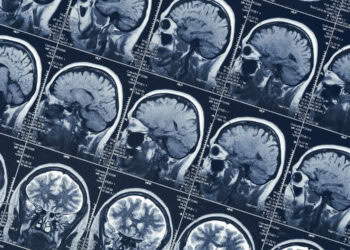
The study aimed to explore whether structural differences in the brain could explain why some adults with ADHD respond to methylphenidate while others do not. Researchers conducted a detailed analysis using structural magnetic resonance imaging (MRI) to examine the brain anatomy of 60 adults with ADHD and 23 neurotypical controls. All participants with ADHD were males aged 18-45, diagnosed according to the Diagnostic and Statistical Manual of Mental Disorders (DSM-5) criteria, and had no other current mental health disorders. The inclusion of only males aimed to reduce variability, as there are preliminary indications of sex differences in brain structure and response to stimulants.
Participants with ADHD underwent MRI scans before starting treatment with methylphenidate. The medication was administered for two months, and treatment response was measured based on a 30% improvement in ADHD symptoms, assessed using the Barkley Adult ADHD Rating Scale (BAARS-IV). This approach categorized participants into responders and non-responders.
The analysis revealed significant differences in brain structure between those who responded to the medication and those who did not. Specifically, non-responders had lower total intracranial volume and mean surface area in the brain compared to responders. Detailed comparisons showed that non-responders exhibited smaller cortical volumes and surface areas in several brain regions, including the temporo-parietal-insular regions, precuneus, orbitofrontal cortex, and other temporal and occipital areas.
When comparing the entire ADHD group to the neurotypical controls, researchers found that adults with ADHD had smaller cortical volumes in regions such as the posterior cingulate cortex, precuneus, superior parietal lobule, fusiform gyrus, and parts of the frontal and temporal lobes. These differences were primarily driven by the non-responders, who showed more pronounced volumetric alterations.
Furthermore, the study found that differences in cortical structure between responders and non-responders were associated with improvements in inattentive symptoms, suggesting that the identified brain regions play a crucial role in attention and response to treatment.
But, as with any study, the research includes some limitations. The sample size was relatively small, particularly the number of non-responders, which may limit the generalizability of the findings. Additionally, the study only included males, leaving a gap in understanding potential sex differences in treatment response. Future studies should include females to determine if these findings apply across genders.
The study also utilized virtual histology to explore the biological underpinnings of the observed neuroanatomical differences. This approach mapped the identified brain regions to genes involved in methylphenidate pharmacodynamics and brain cell types, such as astrocytes, which are crucial for neurotransmitter regulation and brain development. While these findings provide a preliminary understanding of the biological mechanisms, further research is needed to validate these results and explore the causal pathways linking genetic expression, brain structure, and treatment response.
“These results need to be replicated and extended in independent samples and, preferably, confirmed by meta-analyses. In the future, this knowledge may help advance the development of clinical interventions, for example, by identifying treatment resistant individuals in the context of clinical trials of new treatments,” the researchers concluded.
The study, “Cortical alterations associated with lower response to methylphenidate in adults with ADHD,” was authored by V. Parlatini, D. S. Andrews, C. M. Pretzsch, M. Arenella, E. Daly, C. Ecker, and D. G. Murphy.