![[Adobe Stock]](https://sp-ao.shortpixel.ai/client/to_webp,q_glossy,ret_img,w_750,h_375/https://www.psypost.org/wp-content/uploads/2022/10/brain-scans-1-750x375.jpg)
A study published in The Humanistic Psychologist shows that posttraumatic stress disorder (PTSD) is shaped not just by the trauma itself but also by personal history, biology, and the support systems people have around them.
The psychological toll of traumatic experiences—from wars and terrorism to natural disasters and severe illnesses—can be life changing, with PTSD standing out as one of the most common consequences. Despite decades of research, there is no single agreed-upon cause. Each year, approximately 13 million people worldwide develop the disorder, making PTSD not only a personal struggle but also a global public health issue.
Liana Spytska recognized that much of the research on PTSD risk factors has been conducted in Western, military-focused contexts, leaving important gaps in understanding civilian populations across diverse settings. By combining a thorough review of past research with new survey data, Spytska’s goal was to build a clearer picture of the numerous forces that shape who develops PTSD and why.
For the review, the researcher conducted a wide-ranging search in PubMed, Scopus, and UpToDate, focusing on peer-reviewed articles published since 2010. Keywords such as “posttraumatic stress disorder,” “childhood trauma,” “domestic violence,” and “risk factors” guided the search. This step provided a foundation for identifying which psychological, social, and biological factors had been most strongly linked to PTSD across prior research.
Alongside this review, the researcher carried out a survey among 250 adults aged 21-55, recruited from medical settings. The sample included 110 women and 140 men. To ensure the study focused on new cases, people with pre-existing psychiatric conditions, prior PTSD diagnoses, or acute medical conditions were excluded. Each participant’s health history was confirmed through medical records.
Participants completed the PTSD Checklist for DSM-5 (PCL-5), a well-established 20-item questionnaire that asks about symptoms of re-experiencing, avoidance, negative mood, and heightened arousal. The diagnostic thresholds followed DSM-5-TR criteria, meaning a participant had to report significant symptoms across multiple domains, or score above 33 points overall, for a PTSD diagnosis.
The literature review highlighted that PTSD rarely occurs in isolation—it often coexists with depression, substance use, or physical illnesses. Severity of trauma exposure stood out as one of the most powerful predictors of PTSD, with prior traumatic experiences, lack of social support, and existing mental health conditions further elevating risk.
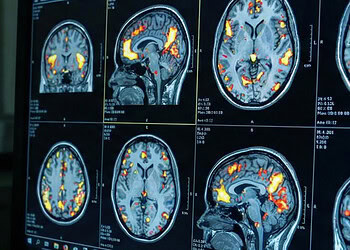
Biological vulnerabilities such as alterations in stress hormone regulation and structural differences in brain regions like the hippocampus and amygdala were also linked, while genetic and epigenetic findings suggested that vulnerability to PTSD may in part be inherited and shaped by early life adversity.
The survey results revealed surprisingly high rates of PTSD among participants: 190 of the 250 adults, or 76%, met diagnostic criteria. Most reported significant intrusion and avoidance symptoms, such as flashbacks and efforts to steer clear of trauma reminders, along with high levels of hyperarousal and negative thoughts. Age and injury severity strongly influenced outcomes; participants over 40 and those who had endured more serious injuries reported the most intense symptoms, while those with milder injuries displayed fewer symptoms of PTSD.
Social support emerged as a protective factor; individuals with stable employment and family backing had noticeably fewer symptoms.
Interestingly, no broad gender differences were found in the overall rate of PTSD diagnoses, though the patterns echoed prior findings that women are more vulnerable following sexual trauma, while men and older adults are more affected by serious medical conditions like heart attacks or strokes. Among the participants, nearly half lacked stable work, which was associated with more severe PTSD symptoms, underscoring the role of economic and social security in mental health resilience.
Taken together, the results point to PTSD as a condition that is deeply shaped not just by the traumatic event itself, but by the individual’s personal history, social environment, and biological susceptibility.
The reliance on a cross-sectional design captured PTSD symptoms only at a single time point, specifically within one to six months after the traumatic events, which may have inflated the prevalence (76%) by emphasizing more acute cases.
The research, “Study of Possible Risk Factors for Posttraumatic Stress Disorder”, was authored by Liana Spytska.