Subscribe
The latest psychology and neuroscience discoveries.
My Account
  • Mental Health
  • Social Psychology
  • Cognitive Science
  • Neuroscience
  • About
No Result
View All Result
PsyPost
PsyPost
No Result
View All Result
Home Exclusive Meditation

Short-term meditation linked to increased blood flow in the brain, increased attention, and better self-regulation

by April McDowell
July 1, 2015
in Meditation, Mental Health
Photo credit: Karoly Czifra (Creative Commons)

Photo credit: Karoly Czifra (Creative Commons)

Share on TwitterShare on Facebook

A recently released study has shown that a form of meditation called integrative body-mind training (IBMT) can produces significant changes in the brain after only a few hours of practice.  The researchers released their findings in a February 2015 edition of Frontiers in Psychology.  These promising results show that this form of meditation may help people increase their mental focus and emotional self-regulation, even more so than relaxation training.

The subjects in this study were 40 Chinese undergraduates students at Dalian University of Technology.  They were split into two experimental groups, one which were given a relaxation training program to follow and the other of which were given an IBMT program to follow.

Both groups did the exercises for 30 minutes per day for 5 days in a row.  The relaxation training was a guided by a coach and compact disk through exercises to relax various muscle groups (e.g., head, chest, back, etc.)  The IBMT training was guided by a coach and compact disk as well and sessions involved focused attention on balancing one’s mind and body.

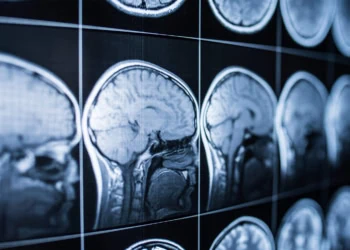
Tests were done both before the five day study period and afterward to measure both positive and negative mood (using self-report questionnaires) and brain images of blood flow in the regions which have been linked to mood and emotion.  Results showed that both groups had significant improvements in both self-reported mood and brain blood flow.  However, the improvements in the group that practiced IBMT were greater than the group of students who practiced the relaxation exercises.

There were some differences in the brain regions impacted between the two groups.  Because of this the authors concluded that IBMT may create these kind of mood improvements by increasing emotional self-regulation given the specific areas of the brain that were impacted by the IBMT (but not by the relaxation training).

“Consistent with our previous studies, short-term IBMT improves [cerebral blood flow] in the midfrontal lobe and insula compared to the relaxation training. This result is in line with the neural correlates of mindfulness meditation. The specific brain areas showing greater [cerebral blood flow] following IBMT training suggests that IBMT works, in part, by improving self-regulation,” the researchers wrote.

One drawback of this study noted by the researchers was that it is not clear if the brain areas they looked at necessarily cause particular changes in mood and emotional state even though they have been found to be linked.  However, their results can be added to the growing body of evidence that shows the psychological benefits of certain forms of meditation.

Google News Preferences Add PsyPost to your preferred sources
Previous Post

Study analyzes which shared traits attract us to new people

Next Post

How evolutionary psychology may explain the difference between male and female serial killers

RELATED

Tapeworm larvae found in Florida man’s brain – how did they get there?
Early Life Adversity and Childhood Maltreatment

Childhood trauma is linked to different aging patterns in the midlife brain

February 27, 2026
People with a preference for staying up late show higher tendencies for everyday sadism
Mental Health

New study suggests binge-watching and marathon reading may have hidden psychological benefits

February 27, 2026
People with a preference for staying up late show higher tendencies for everyday sadism
Alzheimer's Disease

Superager brains excel at something scientists once thought was impossible

February 27, 2026
Veterans who develop excessive daytime sleepiness face increased risk of death
Anxiety

Heightened anxiety sensitivity linked to memory issues in late-life depression

February 26, 2026
Lonely individuals tend to view themselves as a burden to others
Mental Health

Many neurological conditions are more frequent among individuals with severe mental illness

February 26, 2026
Scientists discover unique neuron density patterns in children with autism
Anxiety

Scientists trace a neurodevelopmental link between infant screen time and teenage anxiety

February 24, 2026
New psychology research uncovers an interesting link between inflammatory responses and depression
Mental Health

New research links on-again, off-again relationships to increased psychological and physical symptoms

February 24, 2026
Stress disrupts gut and brain barriers by reducing key microbial metabolites, study finds
Artificial Intelligence

AI and mental health: New research links use of ChatGPT to worsened psychiatric symptoms

February 24, 2026

STAY CONNECTED

LATEST

Narcissism and the rising appeal of sex robots made in the buyer’s image

People with high openness to experience tend to have fewer children

Childhood trauma is linked to different aging patterns in the midlife brain

Cultural tightness reduces a person’s ability to be funny

New study suggests binge-watching and marathon reading may have hidden psychological benefits

Superager brains excel at something scientists once thought was impossible

People with a preference for staying up late show higher tendencies for everyday sadism

Dopamine and insulin interact in the brain to control junk food cravings

PsyPost is a psychology and neuroscience news website dedicated to reporting the latest research on human behavior, cognition, and society. (READ MORE...)

  • Mental Health
  • Neuroimaging
  • Personality Psychology
  • Social Psychology
  • Artificial Intelligence
  • Cognitive Science
  • Psychopharmacology
  • Contact us
  • Disclaimer
  • Privacy policy
  • Terms and conditions
  • Do not sell my personal information

(c) PsyPost Media Inc

Welcome Back!

Login to your account below

Forgotten Password?

Retrieve your password

Please enter your username or email address to reset your password.

Log In

Add New Playlist

Subscribe
  • My Account
  • Cognitive Science Research
  • Mental Health Research
  • Social Psychology Research
  • Drug Research
  • Relationship Research
  • About PsyPost
  • Contact
  • Privacy Policy

(c) PsyPost Media Inc