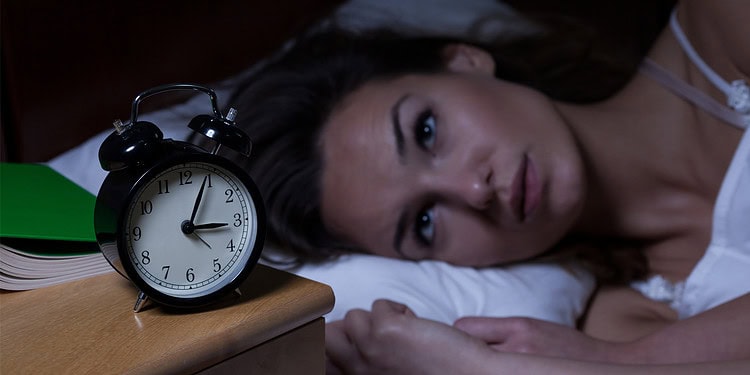

Sleep, a basic human need, might be more intertwined with our political views than we ever imagined. A recent study conducted in Arizona reveals that Republicans generally enjoy better sleep than Democrats and Independents. The findings were recently published in the journal Sleep Health.
Political polarization in the United States has reached new heights, with individuals increasingly aligning themselves with distinct political identities that shape many aspects of their lives. Previous research has shown that political affiliation can influence mental health, happiness, and attitudes toward the healthcare system. However, the question of whether political views might also impact something as personal and physiological as sleep has been less explored.
Sleep is a critical component of overall health and well-being, and it is well-known that stress and social factors can significantly influence sleep quality. The stress surrounding elections, for instance, has been shown to disrupt sleep, but whether this extends to broader political identities was unclear. Given the heightened political tensions during and after the COVID-19 pandemic, the researchers sought to investigate whether political party affiliation might be linked to differences in sleep quality.
“It is an election year, which prior work shows is related to a host of stressors for many Americans. Further, there seems to be more partisan differences across aspects of life, so in this study we wanted to see if this was apparent for sleep among a sample of adults in Arizona — one of the most hotly contested swing states in recent elections,” said study authors Connor M. Sheehan and Nathan D. Martin, who are both associate professors at Arizona State University.
To explore this question, the researchers collected data from a sample of 922 adults in Arizona. The survey was conducted online in February and March of 2023, and participants were recruited through online platforms, with efforts made to ensure the sample reflected the state’s diverse demographics. The average age of the participants was 41.65 years, and they represented a wide range of backgrounds in terms of race, gender, and education.
Participants were asked a series of questions, including how often they had trouble sleeping over the past 30 days, with responses ranging from “none of the time” to “all of the time.” They were also asked about their political party affiliation—Democrat, Republican, or Independent—as well as whether their personal lives had changed significantly as a result of the COVID-19 pandemic. The researchers used statistical models to analyze the relationship between political affiliation and sleep quality, controlling for other factors like age, gender, race, and health status.
The analysis revealed a distinct pattern: Republicans reported better sleep quality than both Democrats and Independents. Specifically, Republicans had about 30% lower odds of experiencing sleep difficulties compared to Democrats, even when accounting for factors like age, gender, and health.
On the other hand, the pandemic appeared to have a more pronounced effect on the sleep of Democrats and Independents. Those who identified as Democrats or Independents and who reported that their lives had changed significantly due to the pandemic were more likely to experience sleep difficulties.
“We found that Arizona Democrats reported significantly worse sleep than did Republicans,” Sheehan and Martin told PsyPost. “Additionally, the COVID-19 pandemic had a stronger influence on the sleeping patterns of Democrats than Republicans.”
The findings suggest that the stresses associated with the pandemic—whether related to health concerns, economic uncertainty, or societal disruptions—might have been felt more acutely by those on the political left. In contrast, Republicans, who have generally been less concerned about the pandemic’s impacts and more resistant to public health measures like mask-wearing and vaccination, may have experienced less pandemic-related stress, thereby maintaining better sleep quality.
However, the study is not without limitations. The researchers relied on self-reported data, which can sometimes be biased or inaccurate. Additionally, the survey only included adults from Arizona, so the results may not be applicable to other states or the broader U.S. population. Arizona’s unique demographic makeup, with a relatively large Hispanic and Native American population and a smaller Black population, might also influence the generalizability of the findings.
The researchers also caution that the study does not establish causality. It remains unclear whether political affiliation directly affects sleep quality or if other underlying factors, such as personality traits or lifestyle choices, play a role. For instance, individuals who identify with a particular political party might also share certain attitudes or behaviors that influence their sleep.
“We focus on adults in a single state, and analyze data from a cross-sectional survey and non-probability sample. More research is needed to gain a complete understanding of the link between party affiliation and sleep health,” the researchers said.
The study, “Does sleep quality differ across political parties? Results from a survey of Arizona adults,” was published online on August 10, 2024.